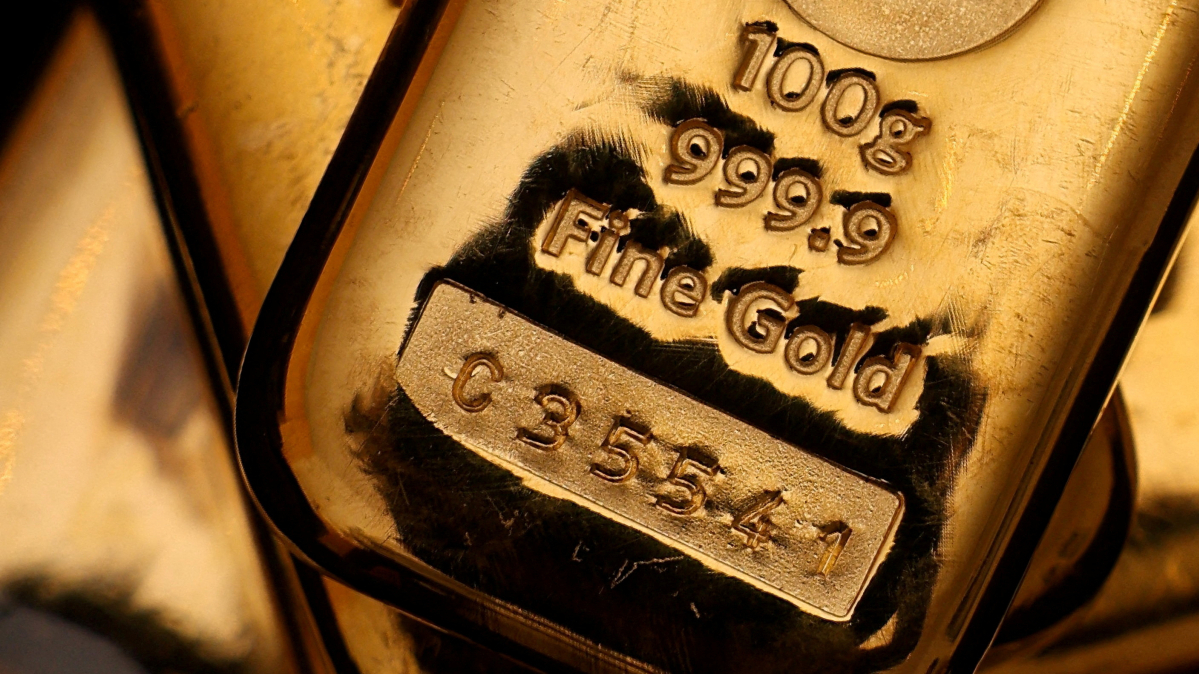
Russia has reaped a significant financial windfall from the surge in global gold prices since launching its full‑scale invasion of Ukraine, with gains in bullion holdings nearing the value of sovereign assets frozen in the European Union, according to media reports.
According to Bloomberg calculations, the value of the Bank of Russia’s gold holdings has climbed by more than $216 billion since February 2022 - a figure roughly on par with the estimated $244 billion (€210 billion) in Russian sovereign reserves that European Union countries have frozen under sanctions.
As of the end of 2025, Russia’s total international reserves stood at about $755 billion, including roughly $326.5 billion in gold, central bank data show.
Over the same period, the share of gold in total reserves has climbed to 43 %, up from just 21 % before the war, reflecting both rising bullion prices and a strategic shift in reserve composition.
Gold prices have rallied sharply over the past four years, driven by strong central bank demand, inflation concerns and elevated geopolitical risks that have bolstered the metal’s safe‑haven appeal.
In 2025 alone, gold climbed around 65 %, its strongest annual performance since 1979, and prices have continued upward into early 2026, surpassing $4,700 per ounce, according to Bloomberg.
Russia is the world’s second‑largest gold producer, mining more than 300 tons annually, but its bullion has been shut out of Western markets under sanctions and is no longer accepted by the London Bullion Market Association (the world’s largest over‑the‑counter gold trading hub) complicating potential sales and limiting market access.
Despite these constraints, gold remains one of the few reserve assets Moscow can monetize if needed, since securities and cash blocked in Europe cannot be sold or pledged under current sanctions.
The central bank largely refrained from major purchases or sales of gold during the period, even as it lost access to foreign securities and currencies.
The Bank of Russia began drawing on its bullion toward the end of 2025, with holdings falling slightly as part of Finance Ministry operations to sell National Wellbeing Fund assets to finance budget needs, Bloomberg reported.
From February 2022 through December 2025, the value of Russia’s gold reserves more than doubled, even as foreign currency and other non‑gold assets declined by about 14 %, according to central bank figures.
Meanwhile, diplomatic efforts over the fate of frozen Russian assets continue.
Talks led by the United States to negotiate a peace settlement in Ukraine have included discussions on whether frozen assets could be used to support Ukraine, but EU attempts to agree on such a mechanism have so far failed to yield a deal.
The Bank of Russia has also filed a lawsuit in Moscow seeking 18.2 trillion rubles ($227 billion) from the Euroclear depository over blocked assets. Governor Elvira Nabiullina said the central bank will pursue the claim and is considering legal action in international courts.
Deputy Finance Minister Aleksey Moiseev has said gold prices are expected to continue rising toward $5,000 an ounce or higher over the long term, a trend he linked to declining confidence in global reserve currencies and heightened demand amid sanctions pressures.
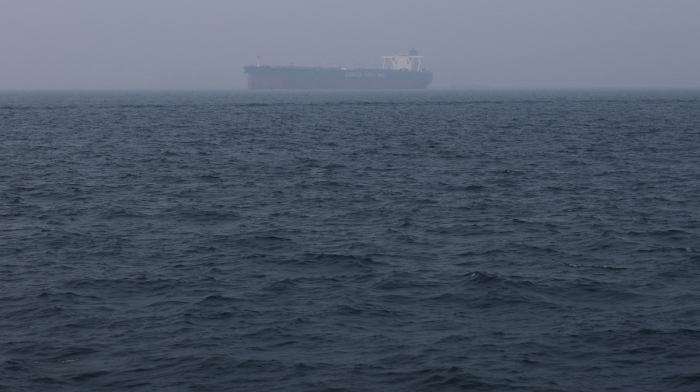
An unknown projectile struck a tanker 68 nautical miles northeast of Saudi Arabia on Friday according to a report released by the United Kingdom Maritime Trade Operations (UKMTO) on Saturday.
The day after waiving sanctions and tariffs related to Russian exports, U.S. President Donald Trump said on Saturday he has yet to announce a final decision on the matter as Secretary of State Marco Rubio said officials want more time to evaluate the situation.
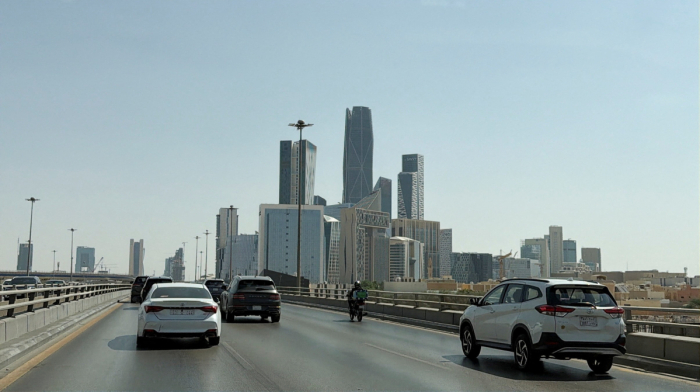
A Saudi AH-6i helicopter crashed in the Najran region of Saudi Arabia due to a technical malfunction, killing its two crew members, the Saudi-led coalition's spokesman Brigadier General Turki al-Maliki said in a statement on Sunday.
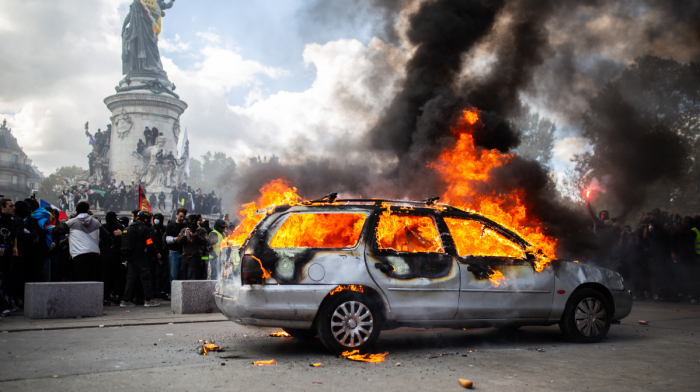
What started out as planned protests against the cost of living, declining public services and education funding in France, quickly devolved into violent riots across the country on Saturday.
The AnewZ documentary “Counterpoint: Two Centuries of German-Azerbaijani Shared History” investigates the story of German settlers who arrived on Azerbaijani lands around two centuries ago and established communities that left a lasting mark on the country’s cultural heritage.
The day after waiving sanctions and tariffs related to Russian exports, U.S. President Donald Trump said on Saturday he has yet to announce a final decision on the matter as Secretary of State Marco Rubio said officials want more time to evaluate the situation.
Pope Leo returned to public life on Sunday, five days after undergoing surgery for lung cancer, telling thousands of pilgrims in St Peter’s Square that he would gradually resume his usual activities.
Several people have been killed and injured following a serious incident that sparked a major fire at a Canadian military base in Alberta, Defence Minister David McGuinty confirmed on Saturday (17 October). The cause of the incident and the number of casualties have not been officially released.
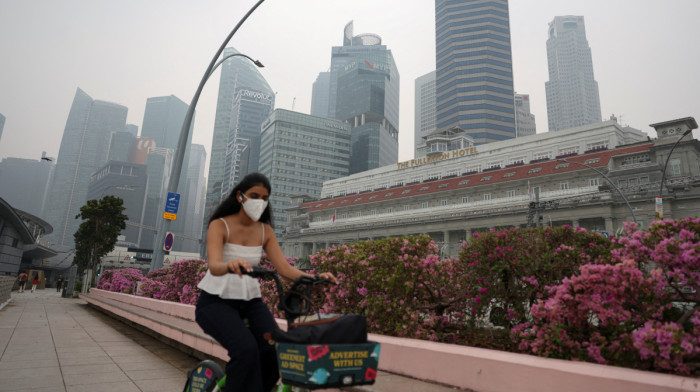
Singapore is experiencing severe haze as smoke from wildfires in Indonesia’s Kalimantan region drifts across the region, disrupting daily life, affecting businesses and prompting Singapore’s National Environment Agency issuing preventive notices to seven companies on 16 October.
What started out as planned protests against the cost of living, declining public services and education funding in France, quickly devolved into violent riots across the country on Saturday.
Download the AnewZ app
You can download the AnewZ application from Play Store and the App Store.












What is your opinion on this topic?
Leave the first comment