Start your day informed with AnewZ Morning Brief. Here are the top news stories for the 27th of February, covering the latest developments you need to know.
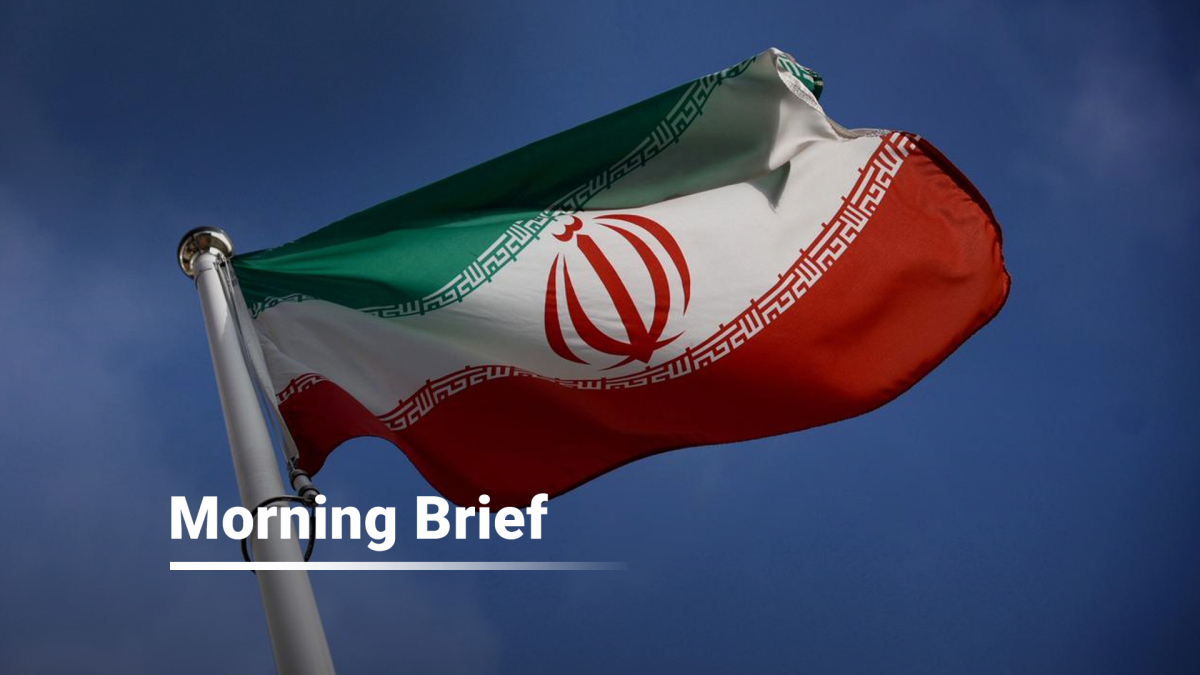
Iran appeals to UN over Khamenei assassination
Following the death of Supreme Leader Ayatollah Ali Khamenei in joint U.S.-Israeli airstrikes, Iran’s Foreign Minister Abbas Araghchi has formally condemned the operation in a letter to the United Nations, describing the assassination as an "unjustified act of aggression" and a blatant violation of international law. As Tehran declares a 40-day mourning period and vows that it will not negotiate with Washington, Iranian armed forces have launched a wave of retaliatory missile and drone attacks targeting U.S. and Israeli interests across the Middle East, escalating fears of a widespread regional conflict.
Israel strikes Beirut in response to Hezbollah barrage
The Israeli military launched heavy airstrikes on the Hezbollah-controlled southern suburbs of Beirut on Monday, ordering residents of dozens of Lebanese villages to evacuate from the area amid the most intensive bombardment of the capital since 2024. The escalation follows a barrage of missiles and drones fired by the Iran-backed militant group into Israel, with Hezbollah stating the assault was a direct retaliation for the assassination of Supreme Leader Ali Khamenei.
UK authorises U.S. use of southern Cyprus bases for defensive strikes
British Prime Minister Keir Starmer has confirmed that the UK has granted the United States permission to use British military bases in southern Cyprus for "specific and limited" defensive operations to intercept Iranian missiles aimed at allied targets. Starmer stressed that Britain was not involved in the offensive strikes that killed Iran’s Supreme Leader. He said the decision follows a suspected drone attack on the RAF Akrotiri base in southern Cyprus, which caused limited damage and prompted the temporary dispersal of non-essential personnel.
Türkiye places vessels on high alert as Iran issues Strait of Hormuz warnings
Türkiye has raised the security level for its flagged vessels navigating the Strait of Hormuz to Level 3, following explicit radio warnings from Iran’s Islamic Revolutionary Guard Corps that "no ship is allowed to pass" the critical waterway. The heightened maritime alert, issued in the wake of the joint U.S.-Israeli strikes and the confirmation of Supreme Leader Ali Khamenei’s death, has prompted major carriers to suspend transits and insurers to cancel war risk cover, threatening to severely disrupt global oil and LNG shipments through a chokepoint that handles approximately 20% of the world's crude flows.
Global aviation in chaos as Middle East airspace closures continue
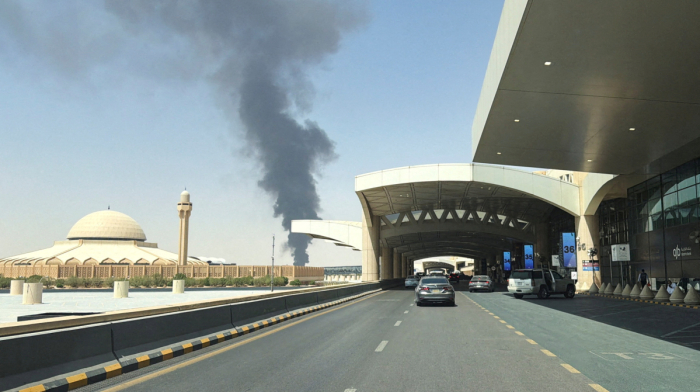
Tens of thousands of passengers remain stranded as major Gulf aviation hubs, including Dubai, Abu Dhabi, and Doha, stayed closed or heavily restricted for a third consecutive day following the escalation of the Iran-U.S. conflict. The unprecedented disruption to one of the world's most vital transit corridors has forced major carriers such as Emirates, British Airways, and Lufthansa to cancel or drastically reroute flights, with experts warning that the logistical fallout and subsequent strain on international travel networks could take weeks to fully resolve.












What is your opinion on this topic?
Leave the first comment