Rohingya genocide explained: What the landmark ICJ ruling means for Myanmar
The United Nations' highest court has ruled that Myanmar committed genocide against its Rohingya Muslim minority during a 2017 military crackdo...
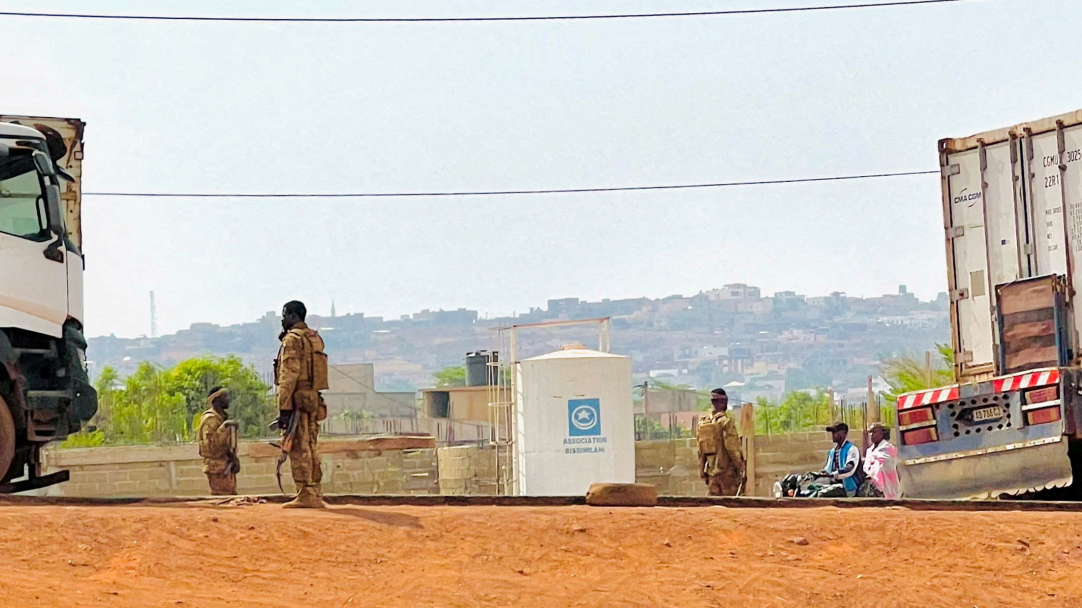
Malian authorities have launched an investigation into suspected soldiers accused of involvement in coordinated attacks on military bases carried out by militants linked to al Qaeda and separatist Tuareg rebels on 25 April 2026.
A statement from the prosecutor at the military tribunal in Bamako, read on state television on 1 May, said the list of potential accomplices includes three active-duty soldiers, a retired soldier, and another soldier who had been dismissed and was later killed in fighting near the main army base in Kati, around 15 km from the capital.
“The first arrests have been successfully carried out, and all other perpetrators, co-perpetrators, and accomplices are actively being sought,” the statement said, without providing further details on the number of detainees or identities of those in custody.
The coordinated assaults, which began on the morning of 25 April, underscored the ability of armed groups with differing objectives to strike at the heart of Mali’s military government, which came to power following coups in 2020 and 2021.
Among the consequences of the violence was the killing of the defence minister, while Russian forces supporting the government were reportedly forced to withdraw from the northern town of Kidal.
The unrest has since triggered renewed fighting across Mali’s northern desert region, raising concerns that insurgent groups could consolidate territorial gains and expand their influence further across the Sahel.
Jama’at Nusrat al-Islam wal-Muslimin (JNIM), an al Qaeda-linked group active in the region, has called on Malians to rise up against the authorities and impose Sharia law.
The group has also claimed it intends to encircle Bamako, with security sources reporting that checkpoints had been established on the outskirts of the capital.
Mali’s military leader Assimi Goita said in a televised address on 29 April that the situation remained under control, vowing to “neutralise” the insurgent groups responsible for the attacks.
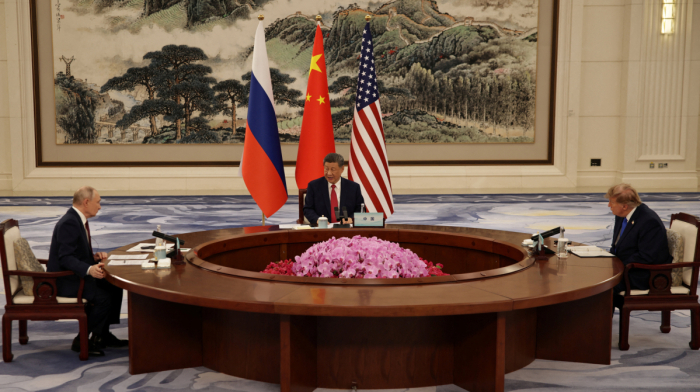
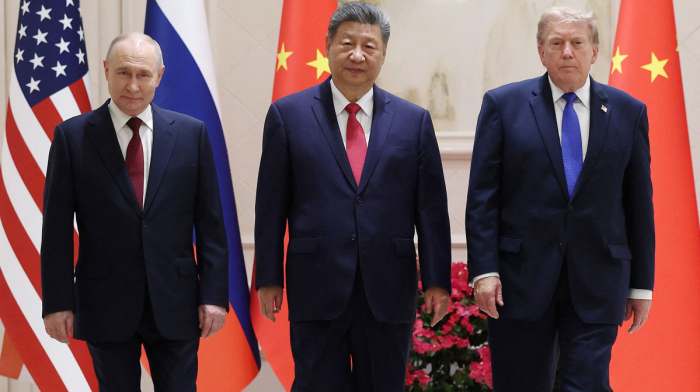
U.S. President Donald Trump, Russian President Vladimir Putin and Chinese President Xi Jinping are holding trilateral talks at the APEC summit in Shenzhen, China, with Ukraine, nuclear arms control and global security on the agenda.
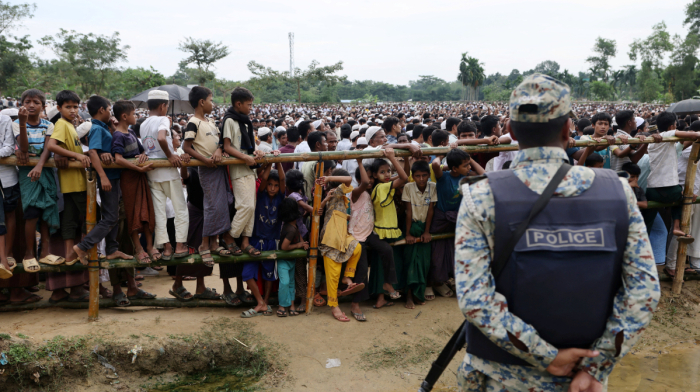
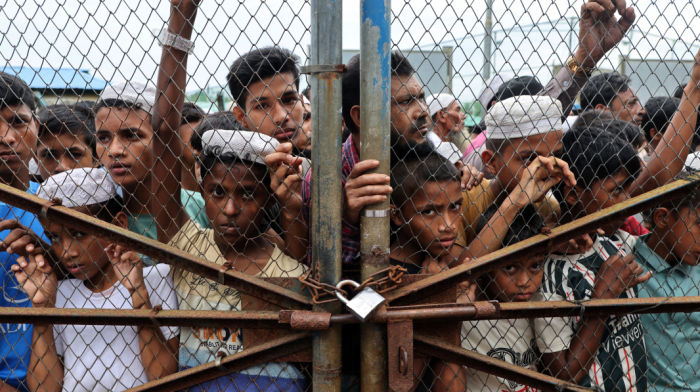
Myanmar's security forces committed genocide against Rohingya Muslims during a brutal military crackdown in 2017 that killed thousands and involved widespread sexual violence, the United Nations' top court ruled on 19 November.
U.S. President Donald Trump, China's Xi Jinping and Russia's Vladimir Putin have issued a joint “declaration of peace” following historic talks in southern China, but stopped short of committing to nuclear arms reductions or addressing the war in Ukraine in their joint statement.
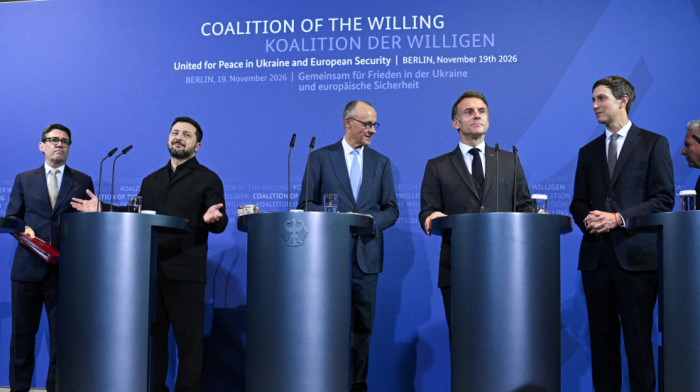
European leaders backing Ukraine met in Berlin on Thursday 19 November and warned that no peace deal should be settled without them.
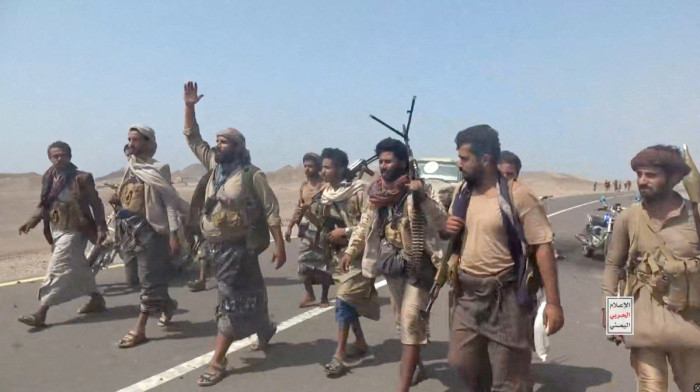
Saudi Arabia is preparing for up to six more months of fighting against Yemen’s Houthis, potentially extending the conflict into spring 2027, Reuters reported, as the kingdom struggles to secure gains on the ground.
The United Nations' highest court has ruled that Myanmar committed genocide against its Rohingya Muslim minority during a 2017 military crackdown that forced hundreds of thousands to flee their homes.
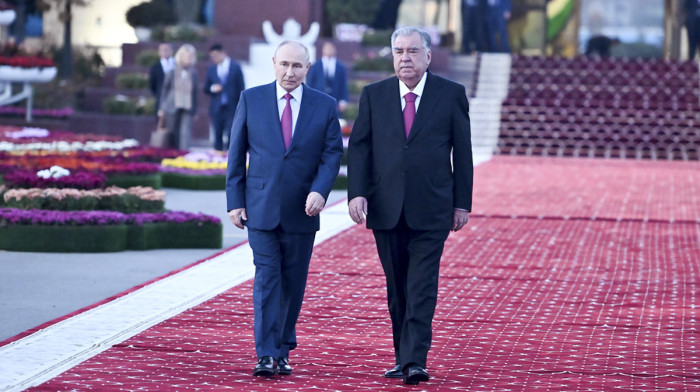
Tajik President Emomali Rahmon and Russian President Vladimir Putin held talks in Dushanbe on 20 November, focusing on labour migration, security along Tajikistan’s border with Afghanistan and the future of Russia’s military presence in the country.
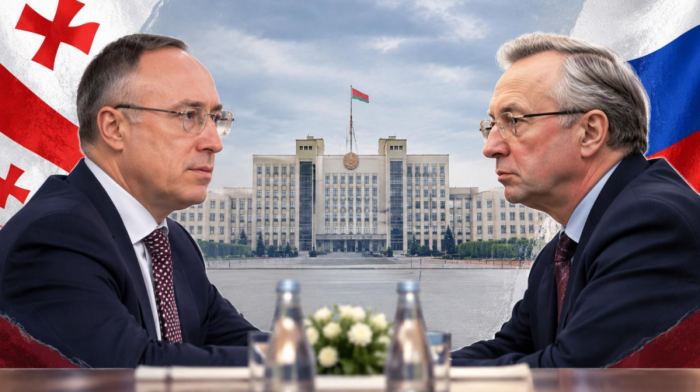
Georgia and Russia have resumed direct official talks, with senior diplomats meeting in Minsk on 19 November to discuss trade, economic cooperation and regional security, despite longstanding tensions between the two countries.
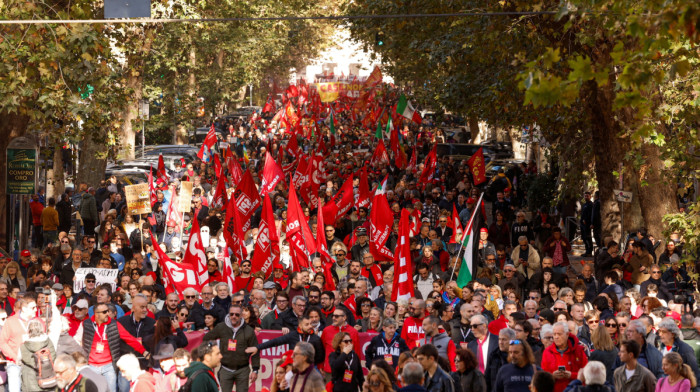
Students and workers took to the streets across Europe on Friday, 20 November, demanding better pay, affordable housing and more funding for education and public services, while protesting against rising military spending.
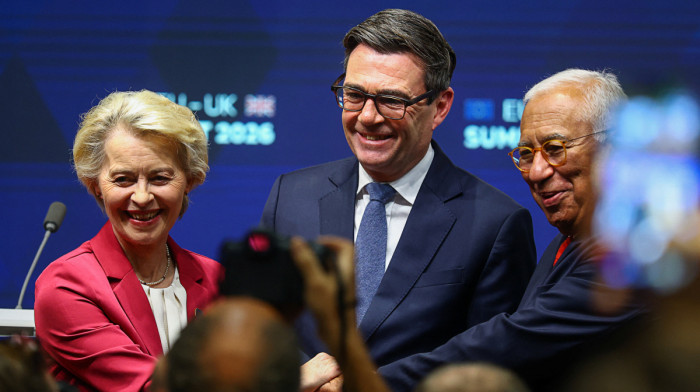
Britain and the European Union have reached an agreement to ease trade, expand opportunities for young people and deepen economic ties, in a major step towards rebuilding relations after Brexit.
You can download the AnewZ application from Play Store and the App Store.
What is your opinion on this topic?
Leave the first comment