U.S. and Iran exchange threats - Tuesday, 10 March
Tensions in the region remained high on Tuesday (10 March), as the United States and Iran exchanged increasingly sharp warnings, including thr...
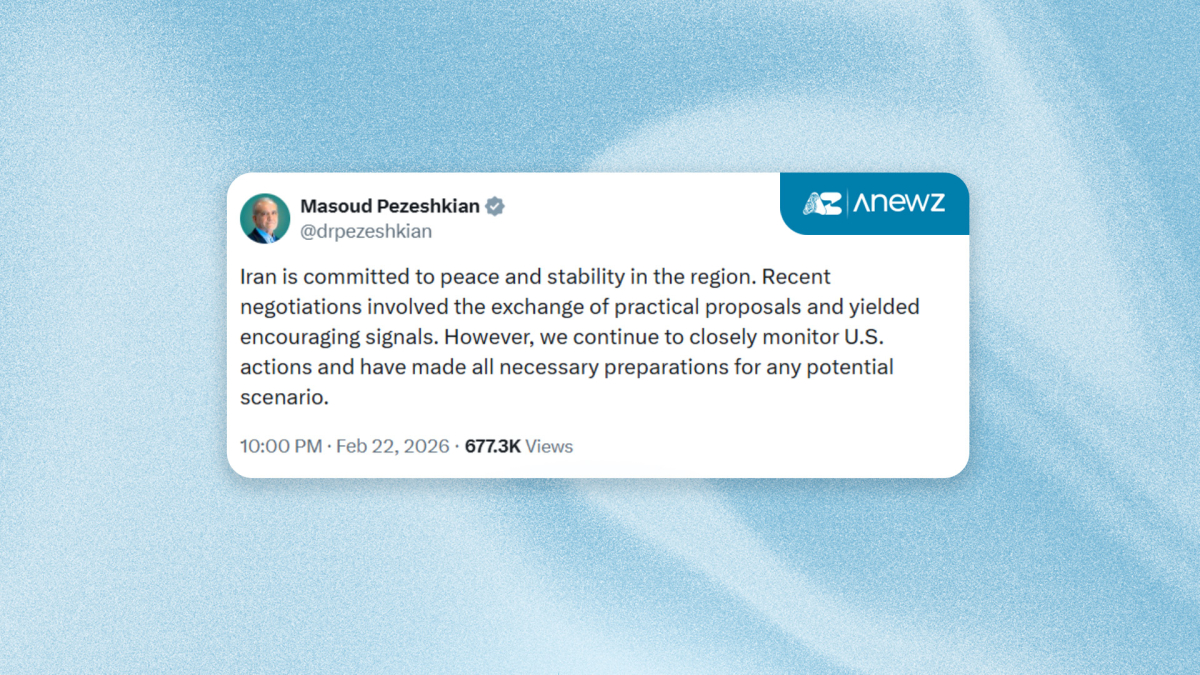
Iranian President Masoud Pezeshkian has said nuclear talks with United States have “yielded encouraging signals” stressing Iran’s readiness “for any potential scenario”.
He said in a message posted on X late on Sunday that Iran remained committed to peace and stability in the region, adding that recent negotiations had included the exchange of practical proposals and shown encouraging signs.
He added that Iran was closely monitoring U.S. actions and had made all necessary preparations for any potential scenario, referring to the U.S. military build-up in the region.

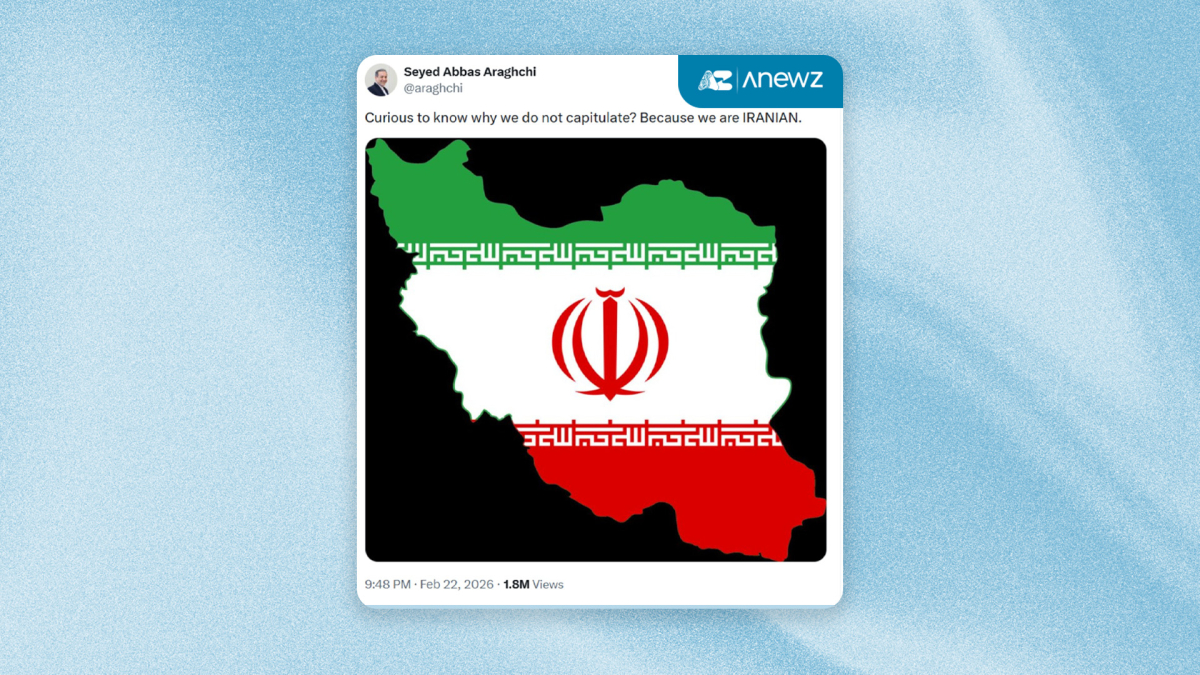
Meanwhile, Foreign Minister Abbas Araghchi said Iranians would not give in to U.S. pressure and threats.
“Curious to know why we do not capitulate? Because we are Iranian,” he wrote on X.

He was responding to remarks attributed to U.S. President Donald Trump by his Middle East envoy and nuclear negotiator, Steve Witkoff, questioning why Iran had not “capitulated” despite the military build-up surrounding it.
While Iran and the U.S. have reiterated their positions during renewed indirect negotiations, with no clear prospect of a breakthrough, Araghchi discussed the latest developments concerning the upcoming round of nuclear talks with his Omani counterpart.
Iran’s top diplomat held a telephone conversation with Oman’s Foreign Minister, Badr al-Busaidi, late on Sunday after the Omani mediator confirmed that the next round of Iran–U.S. nuclear negotiations would be held in Geneva on Thursday.
“They exchanged views on the latest status of indirect talks between Iran and the U.S. and discussed arrangements for holding the third round of the renewed nuclear negotiations,” according to a Foreign Ministry statement.
In an interview with CBS News aired on Sunday, Araghchi said Tehran and Washington could reach a deal superior to the 2015 nuclear agreement, known as the Joint Comprehensive Plan of Action (JCPOA).
He added that Tehran was preparing a draft agreement, which he hoped would be ready for discussion when Iranian and U.S. negotiators meet again on Thursday.

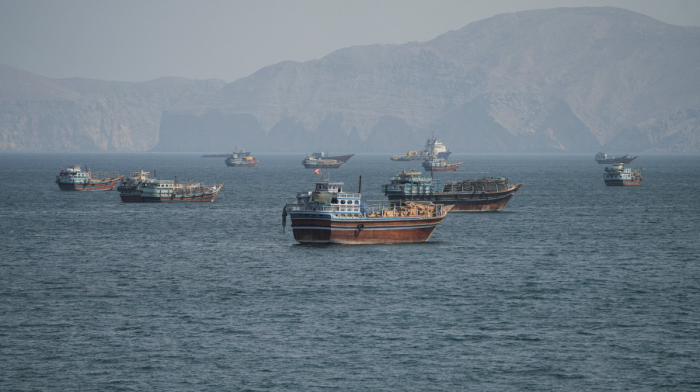
Tensions in the region remained high on Tuesday (10 March), as the United States and Iran exchanged increasingly sharp warnings, including threats over the strategic Strait of Hormuz, a critical artery for global oil supplies.
Global oil prices surpassed $119 a barrel on Monday (9 March, 2026), an almost four year high, as the Middle East conflict rumbled on.
China has urged Afghanistan and Pakistan to resolve their dispute through dialogue after Chinese envoy Yue Xiaoyong met Afghan Foreign Minister Amir Khan Muttaqi, as fighting between the two neighbours entered its eleventh day.
Entry and exit across the state border between Azerbaijan and Iran for all types of cargo vehicles, including those in transit, will resume on 9 March, according to a statement by the Cabinet of Ministers of Azerbaijan.
Iran named Mojtaba Khamenei to succeed his father Ali Khamenei as supreme leader on Monday (9 March), signaling that hardliners remain firmly in charge, as the week-old U.S.-Israeli war with Iran pushed oil above $100 a barrel.
Iran and the U.S. exchanged threats on Tuesday, as U.S. Defense Secretary Pete Hegseth warned Tehran to expect the “most intense day" of attacks so far. Meanwhile, Iranian President Masoud Pezeshkian said “anyone who entertains the illusion of destroying Iran knows nothing of history."
The Strait of Hormuz has become a focal point of global concern as tensions rise following the conflict involving Iran, the United States and Israel. Tehran has threatened to block the strategic waterway, raising fears of disruption to global oil shipments and energy markets.
Reports of so-called “acid clouds” moving from Iran towards Central Asia are not supported by scientific data, national hydrometeorological services in Kazakhstan, Uzbekistan and Kyrgyzstan say, adding there is no threat to the region.
A senior delegation from the OSCE Parliamentary Assembly has been holding meetings with Georgian government officials, opposition leaders and security authorities this week, as international observers attempt to gauge the country’s political climate following last year’s contentious elections.
Turkish President Recep Tayyip Erdoğan has told Masoud Pezeshkian, his Iranian counterpart, that violations of Turkish airspace by Iran could not be justified “for any reason whatsoever.”
You can download the AnewZ application from Play Store and the App Store.
What is your opinion on this topic?
Leave the first comment