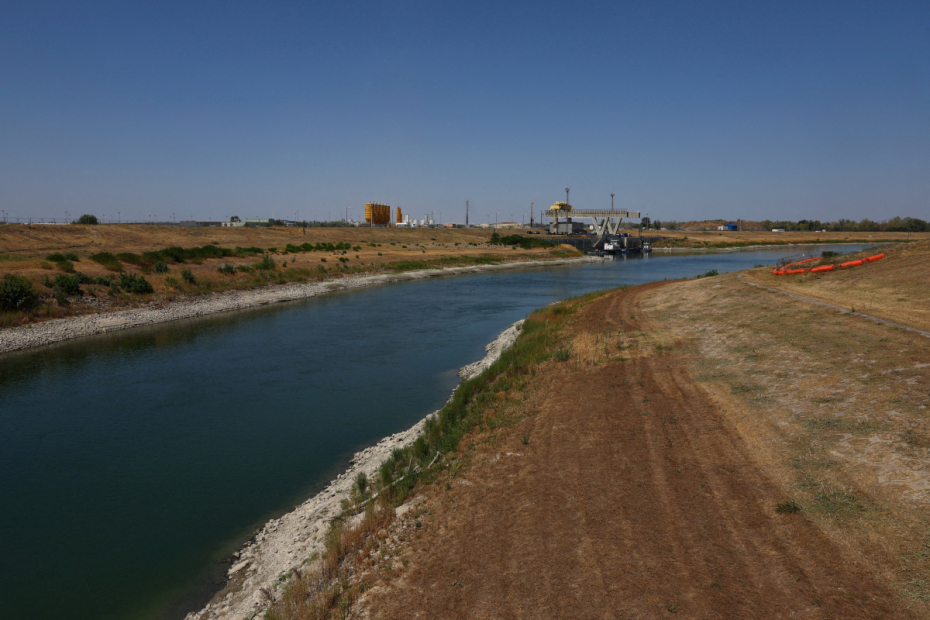
Romania blasted a rock outcrop to redirect cooling water from the drought-hit Danube River to its only operating nuclear reactor. The unprecedented measure highlights the growing impact of drought and the region's worsening energy crisis.
In neighbouring Hungary, authorities said they might be able to eke out two more days of power from their only atomic plant until Tuesday, which has been hit by falling levels in the Danube that it also relies on as a coolant.
Heat and drought have lowered river levels across large parts of Europe, raising concerns about water supplies, river transport and power generation.
Both governments have asked people and companies to cut power use to ease demand.
Car plants pause production to ease pressure
Car-making plants run in Romania by Renault-owned Dacia and Ford had agreed to halt production until 19 August, voluntarily reducing power consumption by some 200 MW, Prime Minister Ilie Bolojan said.
"Drought-related difficulties are amplified by limited trans-border connections with central and western Europe," Bolojan added. "There is limited import capacity."
The Romanian unit of Ford clarified that the production halt for summer holidays had been scheduled in advance.
Romanian state-owned nuclear power producer Nuclearelectrica, which normally generates a fifth of the country's electricity needs, had to shut down one of its two reactors early last week as river levels fell.
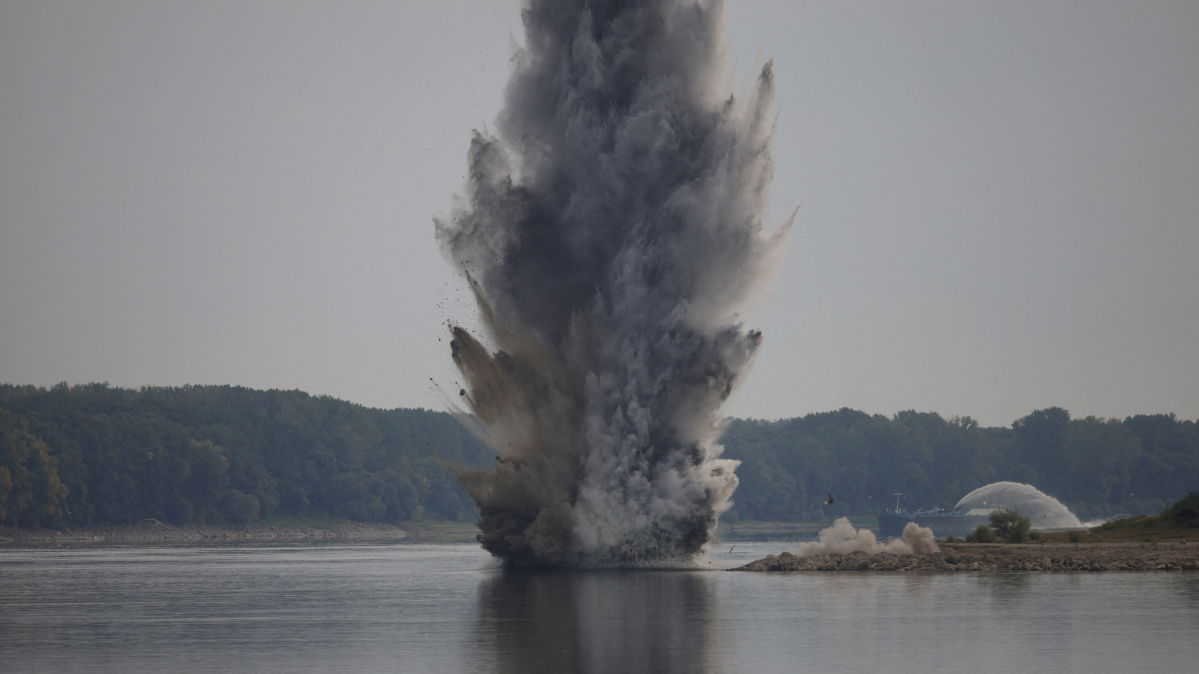
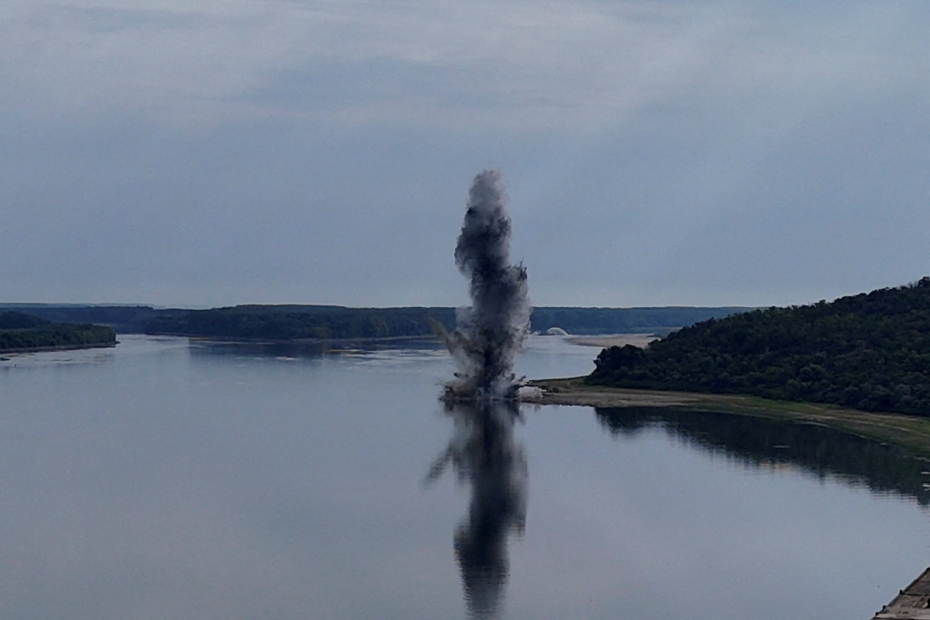
Monday's controlled explosion sent a tower of water and rubble into the air. Authorities said it would clear the way to build a temporary dam which would send more water to the river channel where the remaining Cernavoda reactor sits.
The work would finish on Wednesday, the navy said.
Hungary gets temporary reprieve
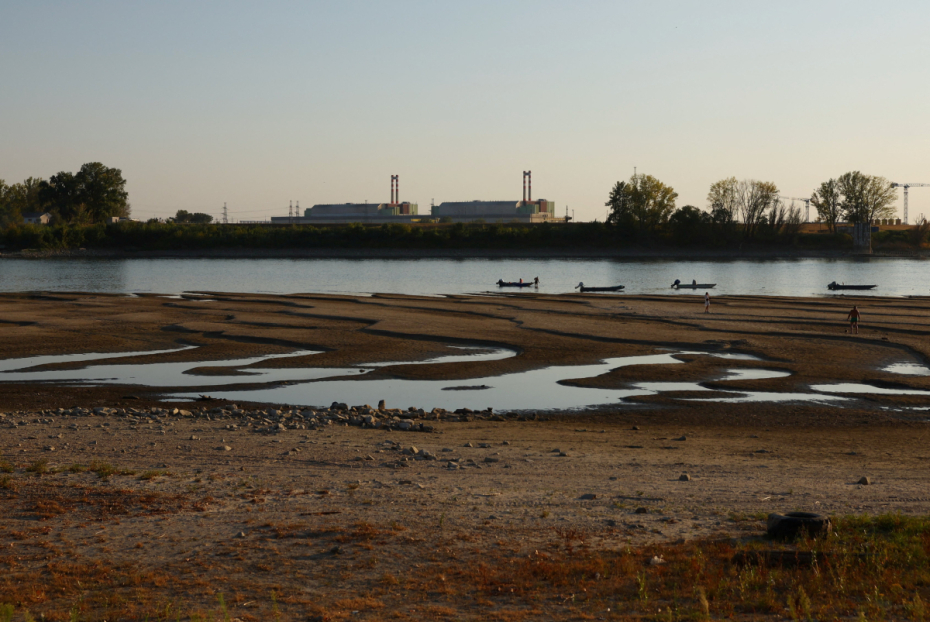
Further upstream, Hungary, which had earlier warned it might have to shut down its Paks nuclear plant as early as Sunday said it could operate at its current reduced capacity until Monday or Tuesday, offering a small reprieve.
The 2-gigawatt Paks plant, which normally generates about half of the country's electricity, was running at just over 10% of its capacity on Monday after the Danube fell to a record low.
"Today, and maybe tomorrow the last turbine producing 240 megawatts can keep working," Hungarian Prime Minister Peter Magyar said on 3 August.
Voluntary cuts in power usage by households and companies, made after a government appeal, had reduced demand by 700 MW on Sunday, significantly easing pressure on the grid, the prime minister said.
Pharma company Richter said on Monday it would reduce its electricity consumption by more than 50 per cent over the next three weeks, and offered a daily 4 MW of electricity produced by its solar energy park.






















What is your opinion on this topic?
Leave the first comment