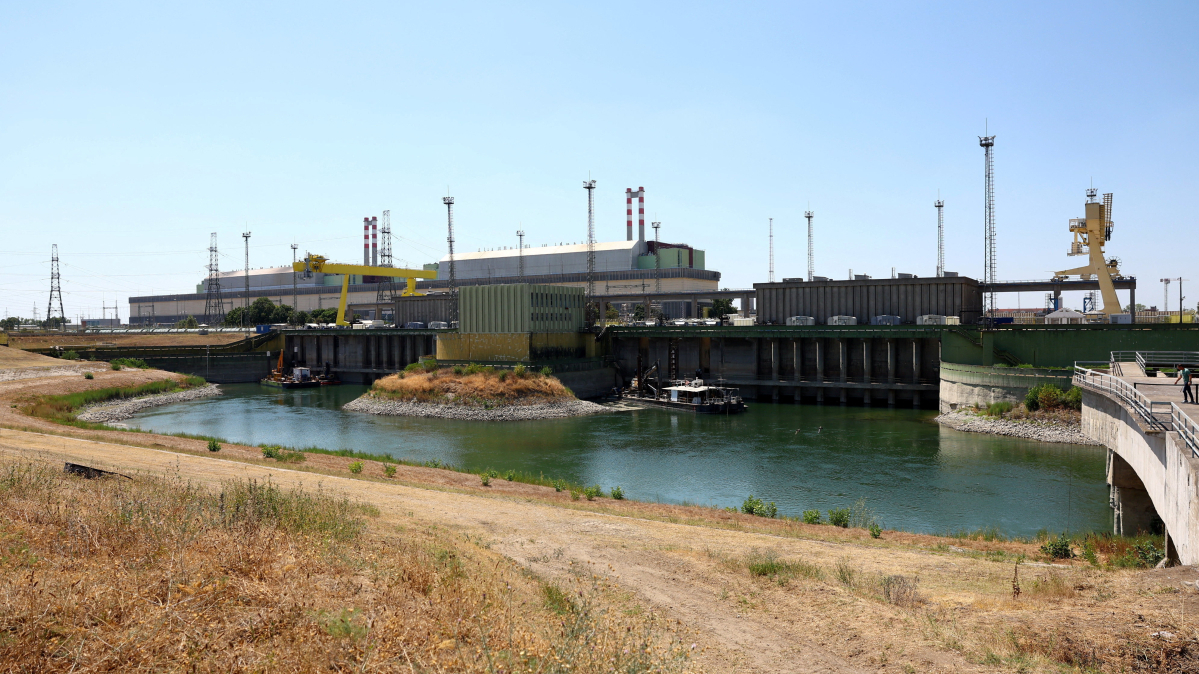
Hungary is facing five critical days as record-low water levels in the Danube force the country’s only nuclear power plant to shut down for the first time in more than four decades, Prime Minister Péter Magyar said on Sunday.
The shutdown, the first in more than four decades, comes as Hungary prepares for another heatwave, with temperatures expected to reach 40 degrees Celsius.
The two-gigawatt Paks nuclear power plant, which operates four Russian-built reactors, was generating just more than 10 per cent of its total capacity on Sunday.
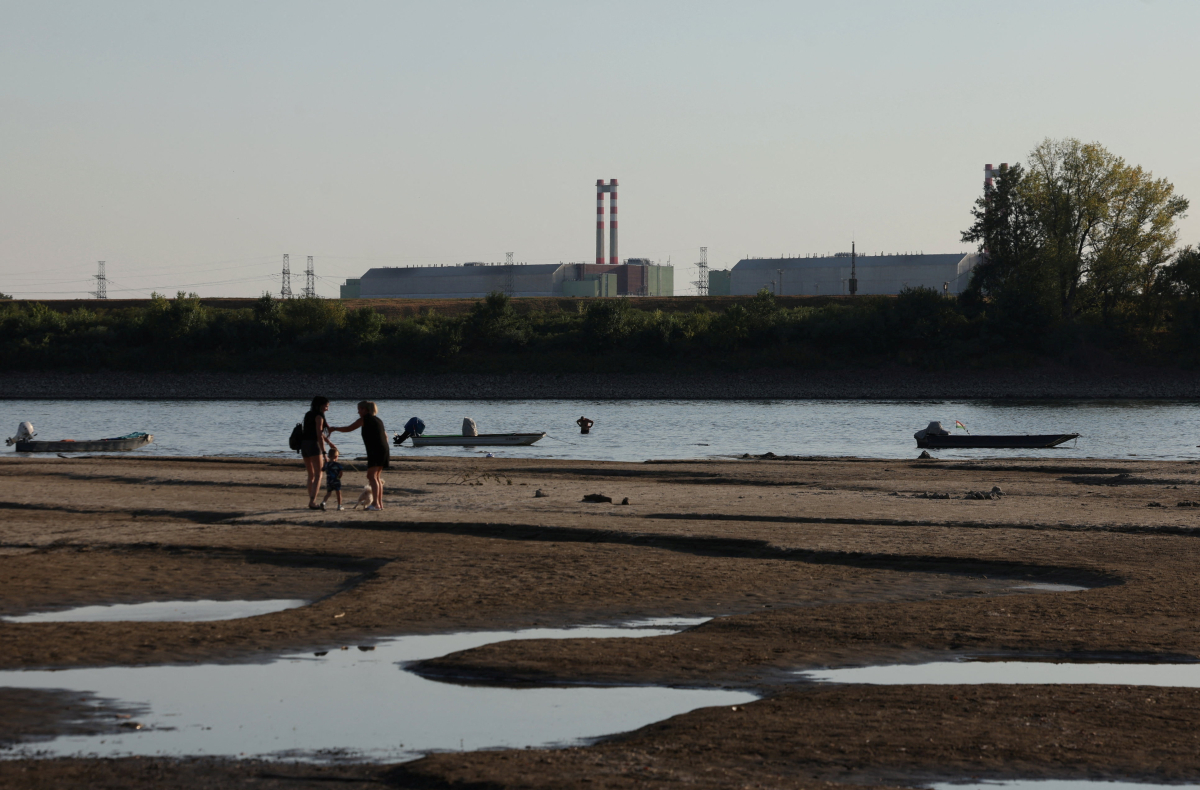
The facility relies on water from the Danube to cool its reactors. However, prolonged drought and extreme heat have pushed the river to record-low levels, leaving the plant without sufficient cooling water.
Hungary’s water authority expects the level of the Danube, which flows from Germany to the Black Sea, to fall further in the coming days.
“We are facing the most critical five days ahead,” Magyar said in a video posted on Facebook.
“Tomorrow, the Paks power plant will not be generating, while the hottest, 40-degree days are ahead.”
Magyar warned that the power grid, public services and residents would come under enormous pressure. He has said the plant could remain offline for several weeks.
Heatwave puts power network under pressure
Large parts of Europe have been affected by prolonged heat and drought, lowering river levels and raising concerns about water supplies, shipping and electricity generation.
Paks normally produces about 2,000 megawatts of electricity and supplies a significant share of Hungary’s power. The historic shutdown has forced the country to rely more heavily on reserve power stations and imported electricity.
Falling water levels have also disrupted cargo transport and tourism along the Danube. Water-use restrictions have been introduced in more than 100 Hungarian cities and villages, including settlements on the outskirts of Budapest.
Government considers mandatory restrictions
Magyar urged businesses, public institutions, local authorities and households to reduce or reschedule electricity consumption during peak evening hours between 5pm and 10pm.
The government was expected to decide on Sunday whether mandatory electricity restrictions would be imposed on large companies from Monday.
Under emergency measures, major industrial consumers could be disconnected if they fail to meet the required reductions in electricity use. The government has also ordered freight rail services to stop during peak evening hours and instructed eligible public-sector employees to work from home during the first three days of the week.
Crisis could cost up to $630 million
Márk Radnai, vice-chairman of Magyar’s Tisza party, said the crisis could cost Hungary between 100 billion and 200 billion forints, equivalent to about $315 million to $630 million.
The estimated cost is largely linked to a sharp rise in the price of electricity imported to replace output lost from the Paks plant.
Read more:



















What is your opinion on this topic?
Leave the first comment