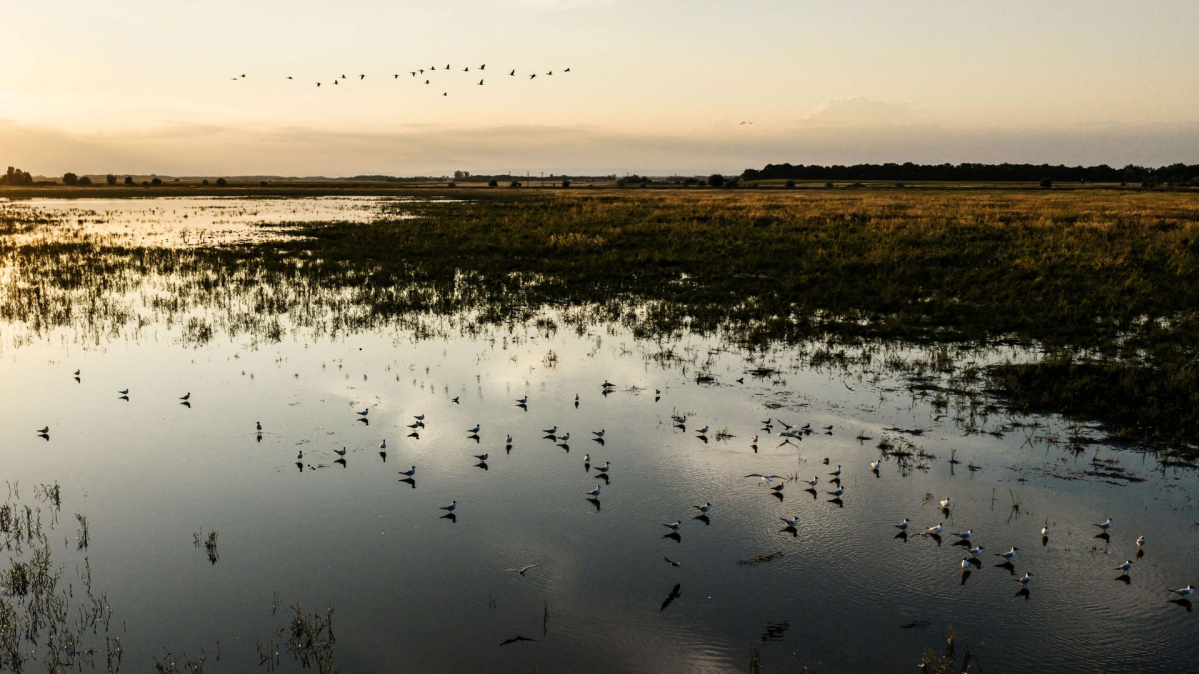
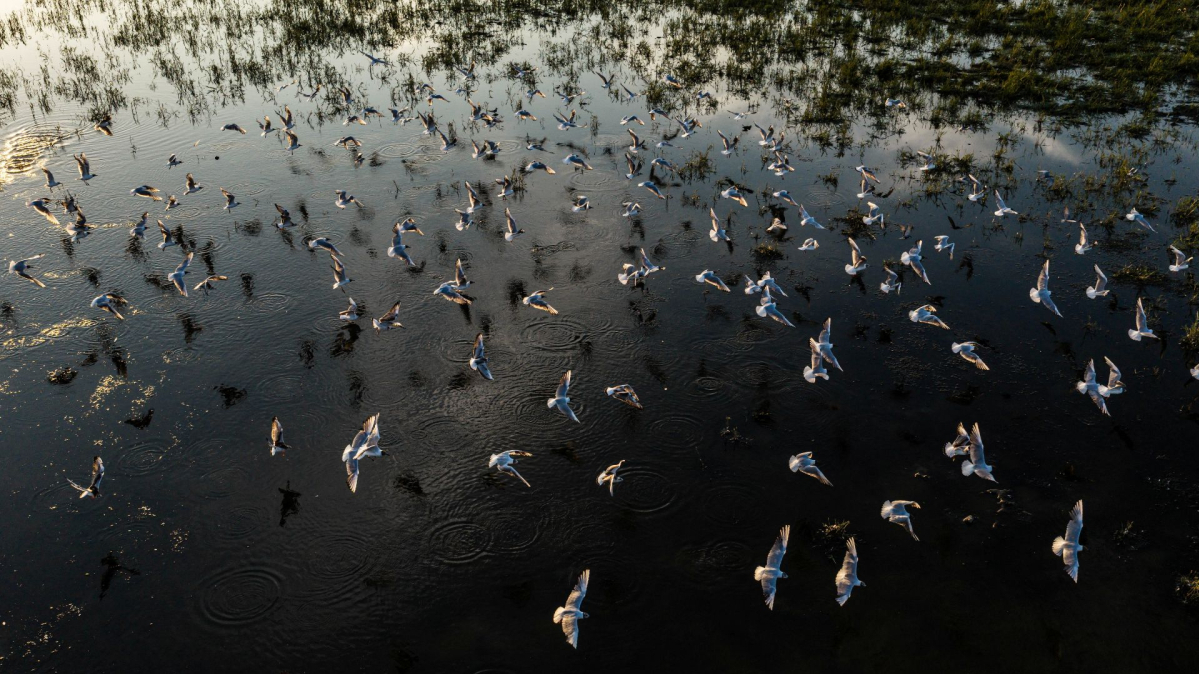
Hungary is channelling around two million cubic metres of water into the park's largest marshland, Fekete-rét (Black Meadow), through the Nyugati irrigation canal to replenish wetlands affected by prolonged dry conditions.
The UNESCO World Heritage Site in eastern Hungary is home to vast plains and wetlands that provide a vital breeding ground and stopover for tens of thousands of migratory birds travelling between Europe and Africa.
Emergency water supply
Lajos Gál, a regional manager at the Hortobágy National Park Directorate, said the area began the year with an unusually large water deficit following an exceptionally dry spring.
"Without this ecological water replenishment, the entire area would be completely dry by now," he said.
The marshland first dried out in 2013 and suffered even greater damage during the severe drought of 2022, when more than 800 hectares were destroyed by wildfire.
Changing climate
Park officials say climate change and declining rainfall are not only shrinking wetlands but also altering the migration patterns of many bird species.
Gál said warmer winters have caused birds to return earlier and over a longer period, rather than in large seasonal migrations. He also said some species that were common decades ago have largely disappeared, while others, including the pygmy cormorant, have become increasingly established in the area.
The Hortobágy wetlands provide critical nesting and breeding habitat before many birds begin their migration to Africa later in the year.
Long-term solution
Conservationists say emergency water transfers are only a temporary solution and have called for broader measures to retain more of the water flowing into Hungary.
They argue that protecting wetlands is essential not only for biodiversity but also for maintaining local microclimates and supporting groundwater levels as climate change increases the frequency and intensity of droughts across Central Europe.
Read more:






















What is your opinion on this topic?
Leave the first comment