Two endangered loggerhead sea turtles have been released into the Mediterranean from Türkiye's Antalya province as part of a conservation project to track their migration and strengthen protection efforts.
Tracking migration
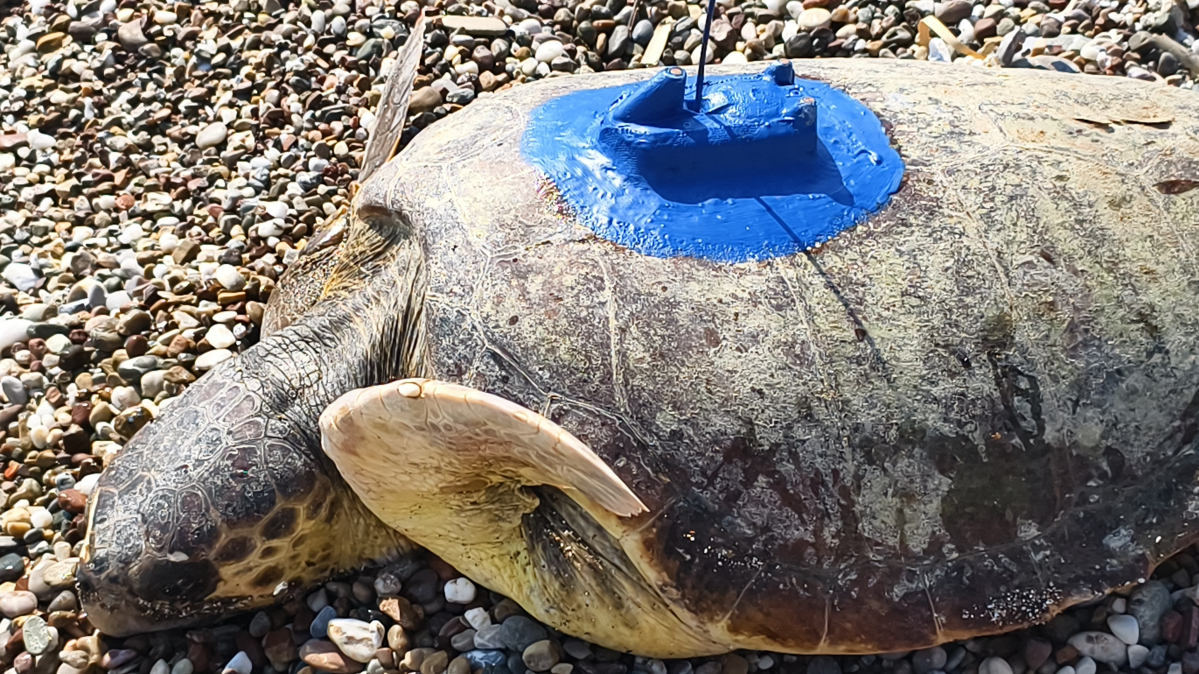
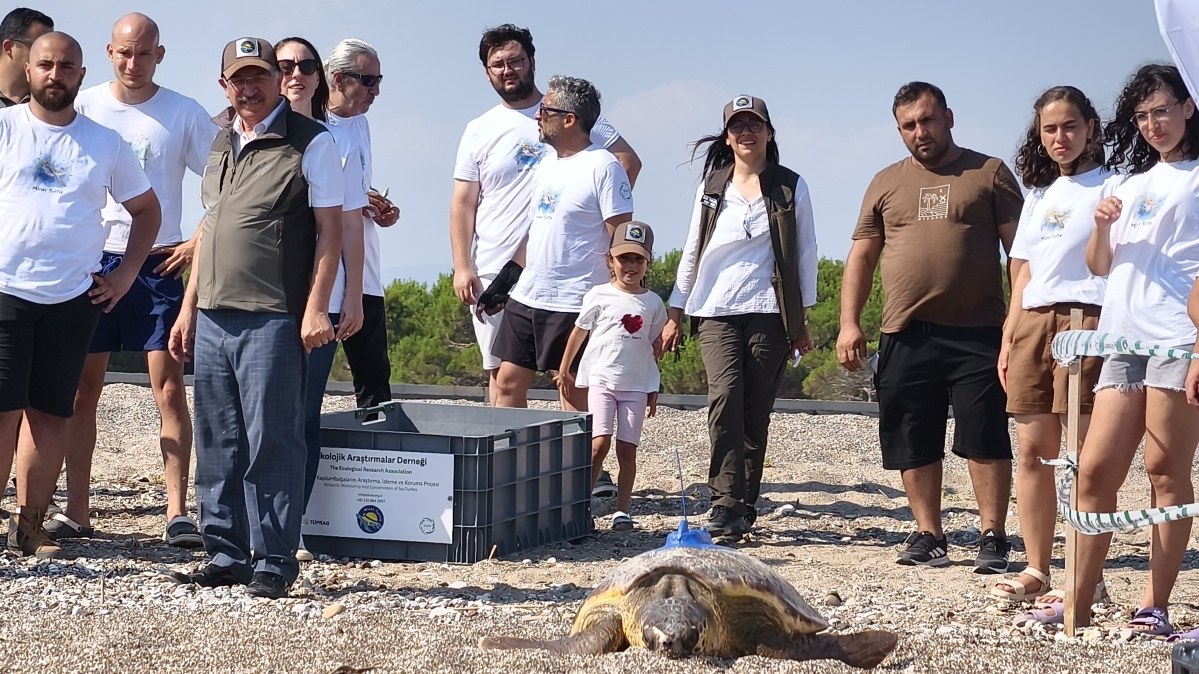
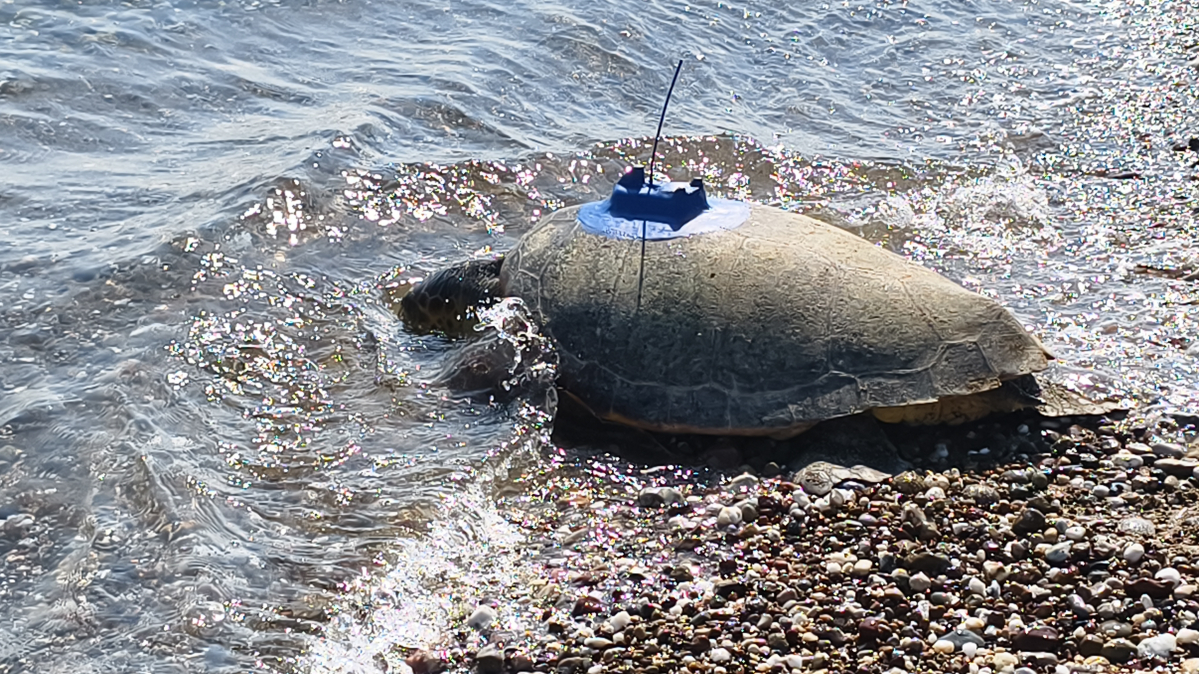
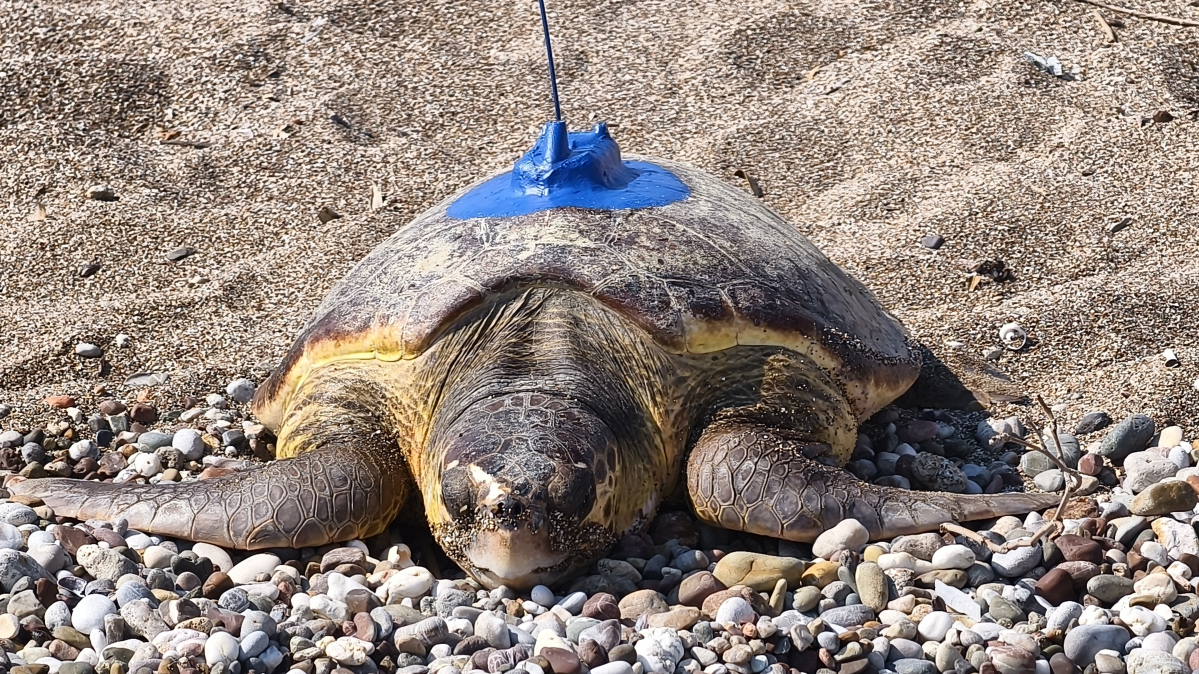
The turtles, named Flora and Fauna, were fitted with satellite tracking devices before being released from Ulualan Public Beach after nesting at Manavgat Kızılot, one of the Mediterranean's most important loggerhead nesting sites.
The initiative is part of the Marine Turtle Research, Monitoring and Conservation Project, a partnership between Türkiye's General Directorate of Nature Conservation and National Parks, the Ecological Research Association (EKAD) and TÜPRAG Metal Mining.
Data collected from the satellite transmitters will be made available through a mobile application and web platform, allowing researchers to monitor the turtles' migration routes, feeding grounds and wintering areas.
Dr Ali Fuat Canbolat, chairperson of EKAD, said the information would help scientists better protect loggerhead sea turtles throughout their life cycle.
"With the satellite devices, we will learn about the caretta caretta's wintering grounds, feeding areas and migration routes. It's essential to protect these turtles in their marine habitats as well," he said.
Building on earlier research
The project follows last year's successful satellite tracking of two other loggerhead turtles, Altın and Gümüş, whose movements have been monitored for more than a year.
Jale Şakıyan Ateş, TÜPRAG's Environment and Sustainability Manager, said the programme aims to improve understanding of endangered species while raising public awareness through education initiatives in schools and across the tourism sector.
She said Kızılot is the largest loggerhead nesting site in the Mediterranean, underscoring the importance of long-term conservation efforts.
Protecting an endangered species
Loggerhead sea turtles (Caretta caretta) are listed as Vulnerable on the International Union for Conservation of Nature (IUCN) Red List. They face threats including habitat loss, pollution, fishing activity and climate change.
Researchers hope the new tracking programme will provide valuable scientific data to help safeguard the species and support conservation efforts across the Mediterranean.
Read more:






















What is your opinion on this topic?
Leave the first comment