Georgia and Uzbekistan target $1 billion in annual trade
Georgia and Uzbekistan are aiming to nearly quadruple annual trade to $1 billion, up from $267.6 million in 2025, as the two countries seek to stre...
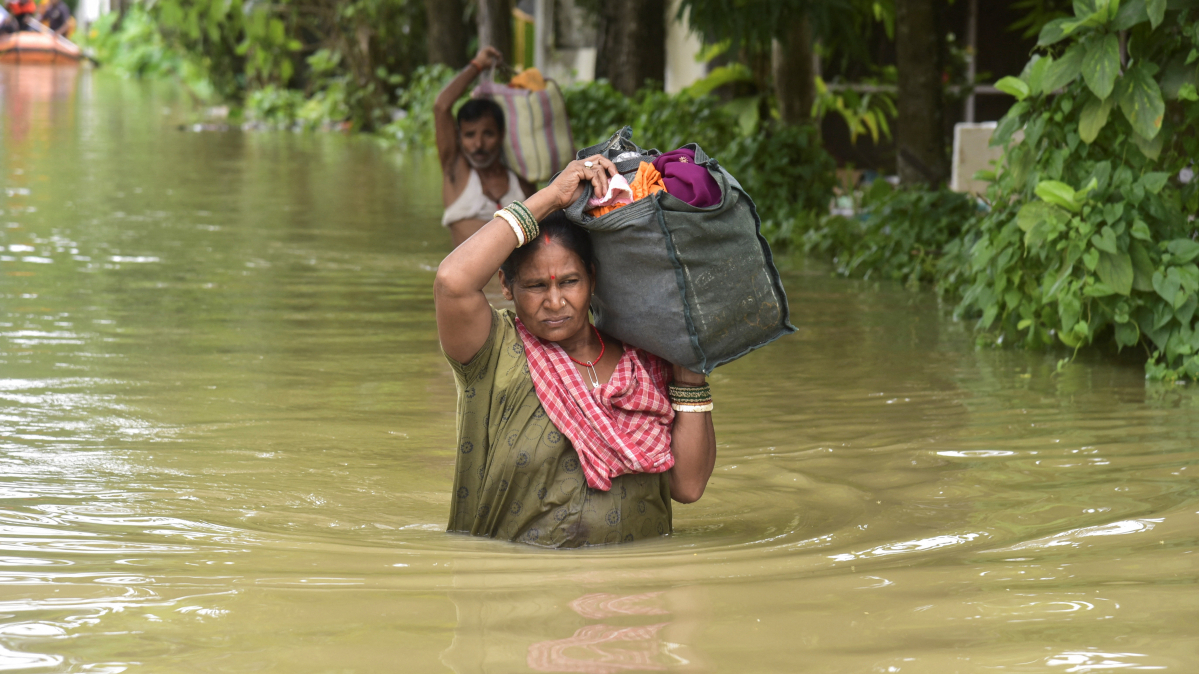
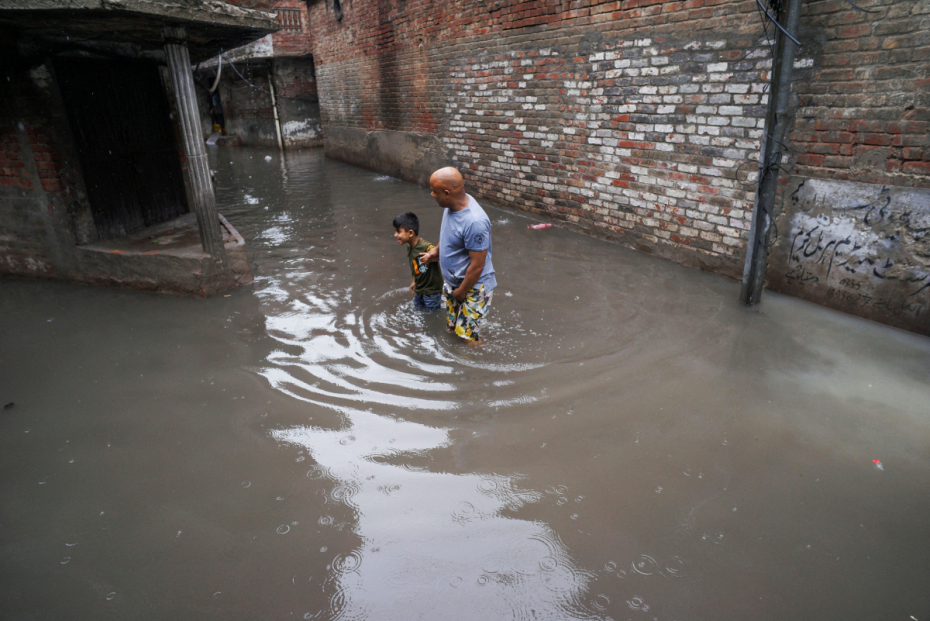
At least 82 people have died after heavy rain triggered devastating floods across northeastern India, Pakistan and Afghanistan this week, with widespread damage to homes, farmland and infrastructure.
Heavy rain and flooding have caused widespread disruption across South Asia, even as parts of Europe continue to battle wildfires.
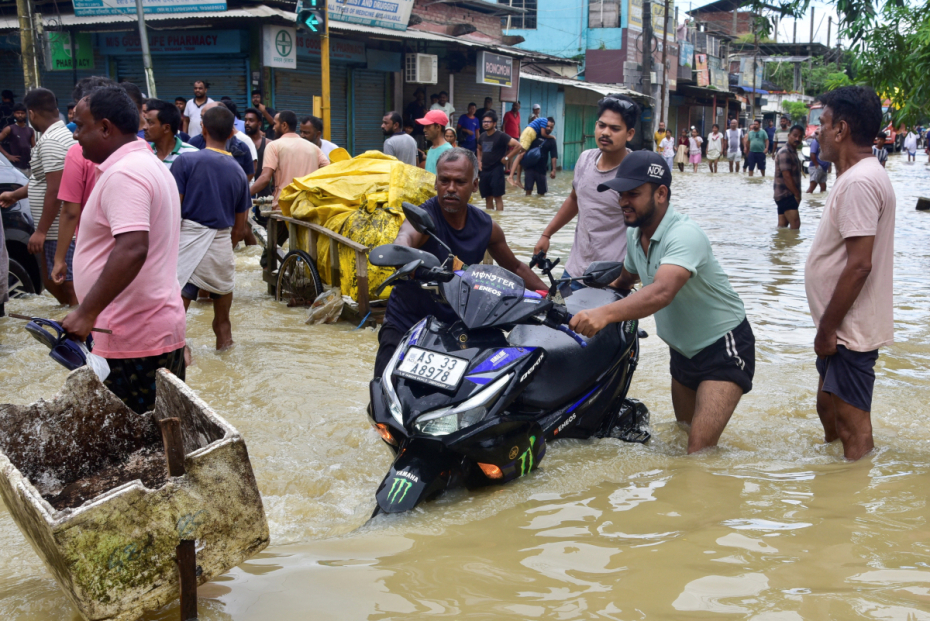
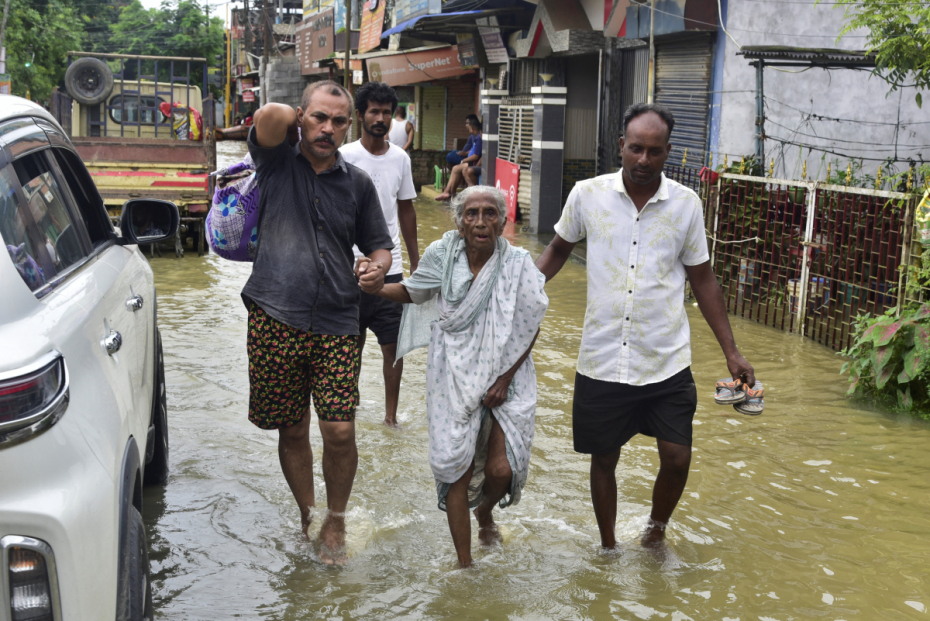
At least 10 people have died in flooding in India's northeastern state of Assam over the past 24 hours, in what authorities described as "unprecedented devastation", bringing the week's death toll in the state to 36.
More than 650,000 people have been affected by heavy rainfall across 11 districts of Assam, the state's disaster management authority said in a bulletin on Wednesday.
The flooding was primarily caused by exceptionally heavy rainfall in neighbouring Nagaland between 18 July and 20 July, which led to unusually high river levels, according to a state government report.
Assam, home to the Brahmaputra, one of the world's largest rivers, experiences severe flooding almost every year during the monsoon season.
At least 46 people have been killed and more than 100 injured in flooding across Afghanistan's northeastern Nuristan province and Pakistan's Khyber Pakhtunkhwa province, according to disaster management authorities in both countries.
The casualties were reported over the past 72 hours after heavy rain triggered widespread flooding across the two regions.
"The floods swept away houses and hotels. Everything is gone. It is complete devastation. Machinery is being used to rescue those who are still trapped," Mujib ur Rahman, a resident of Nuristan's provincial capital, said.
Despite contributing little to global emissions, Afghanistan and Pakistan are among the countries most vulnerable to climate change.
Experts say increasingly intense floods, droughts, glacier melt and water shortages are placing millions of people at growing risk across the region.
Read more:

One person was killed and nearly a dozen hurt in a fresh attack on Riyadh's international airport on Sunday, Saudi authorities reported, a day after a strike claimed by Yemen's Houthis killed 13 people and wounded more than 300.
The Saudi-led coalition in Yemen said late Monday that it intercepted and destroyed two ballistic missiles launched by the Houthi group toward Khamis Mushait in southwestern Saudi Arabia.
The Houthi movement has escalated their attacks on Saudi Arabia, targeting the airport in Riyadh and other cities, killing more than a dozen people.
The Kremlin on Monday rejected a 60-day ceasefire idea proposed by Ukrainian President Volodymyr Zelenskyy to allow his country to hold presidential elections, saying it wanted an overall peace deal instead.
Ukrainian President Volodymyr Zelenskyy says Russia hit at least six energy targets in deadly strikes across Ukraine, showing Moscow is unwilling to accept the energy ceasefire announced by U.S. President Donald Trump.
Türkiye’s COP31 presidency has unveiled an action agenda designed to turn climate commitments into concrete projects and measurable results, focusing on clean energy, waste reduction, resilient cities and industrial decarbonisation.
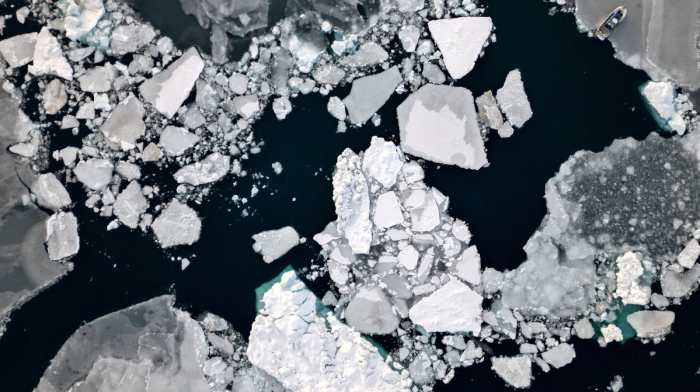
Greenland and Antarctica have shed a combined 11.3 trillion tonnes of ice since 1979, according to the most comprehensive satellite study of the planet's ice sheets to date, with researchers warning the pace of loss has accelerated sharply in recent decades.
The European Union will continue allowing large-scale plastic waste exports to Türkiye despite concerns over recycling rates, environmental damage and the risk of illegal waste trafficking.
Hundreds of thousands of deep-diving turtles, known as olive ridley sea turtles, have arrived on Mexico’s southern coast for one of nature’s most striking nesting events. But conservation officials warn that climate change is making it increasingly difficult for their eggs to hatch.
August 2026 tied as the hottest month ever recorded globally, pushing average temperatures above the critical 1.5°C threshold as extreme weather swept across several regions, the EU’s Copernicus Climate Change Service said.
You can download the AnewZ application from Play Store and the App Store.
What is your opinion on this topic?
Leave the first comment