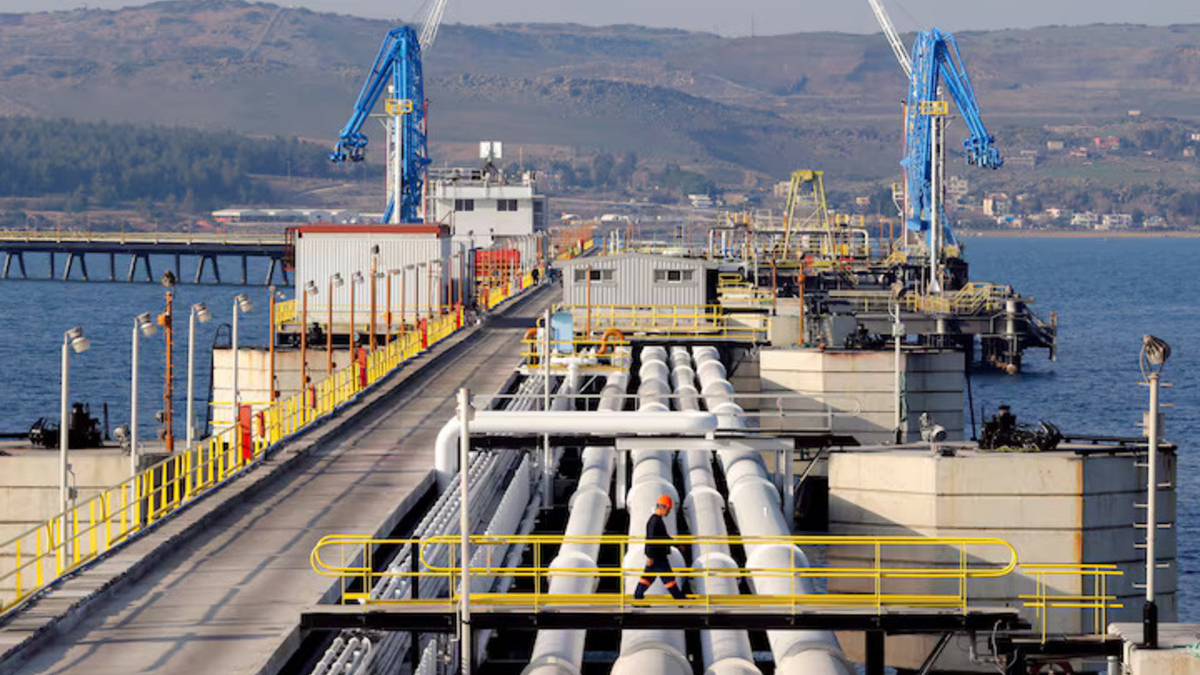
Iraq and Türkiye have signed a one-year agreement to transport and load Iraqi crude oil through the Iraq–Türkiye pipeline to the Turkish Mediterranean port of Ceyhan, Iraq’s Oil Ministry said.
The agreement, signed on Saturday, 1 August, requires Iraq to export at least 750,000 barrels of crude oil per day through the pipeline, according to Iraqi Oil Minister Bassem Mohammed Khudair al-Abadi.
Iraqi Prime Minister Ali al-Zaidi said Iraqi and Turkish companies would begin implementing the deal while the two governments worked towards a broader cooperation framework.
“Iraqi and Turkish companies will begin implementing the agreement, while the two governments will move forward, through a carefully planned process, to finalise a comprehensive framework agreement covering the oil, electricity and water resources sectors, along with other areas of cooperation that advance our shared interests and support development and stability,” al-Zaidi said in a post on X.
Pipeline’s strategic importance grows
Turkish Energy and Natural Resources Minister Alparslan Bayraktar said the pipeline had become increasingly important for regional and global energy security.
“This pipeline, which safely and uninterruptedly delivers Iraqi oil to world markets via Ceyhan, has a more strategic position than ever before in terms of regional and global energy supply security, as demonstrated by developments in global oil markets,” Bayraktar said on X.
The pipeline connects Iraq’s northern oil-producing regions with the port of Ceyhan, providing Baghdad with access to international markets through the Mediterranean.
Baghdad seeks alternative export routes
The agreement follows the expiry on Monday of the decades-old accord governing Iraqi oil exports through Ceyhan.
Baghdad has been seeking alternative export routes as continuing regional tensions affect maritime traffic through the Strait of Hormuz, through which much of Iraq’s crude is traditionally shipped.
Diversifying its export channels is particularly important for Iraq because of the country’s heavy dependence on the energy sector. Oil revenues account for about 90 per cent of state income.
Read more:


















What is your opinion on this topic?
Leave the first comment