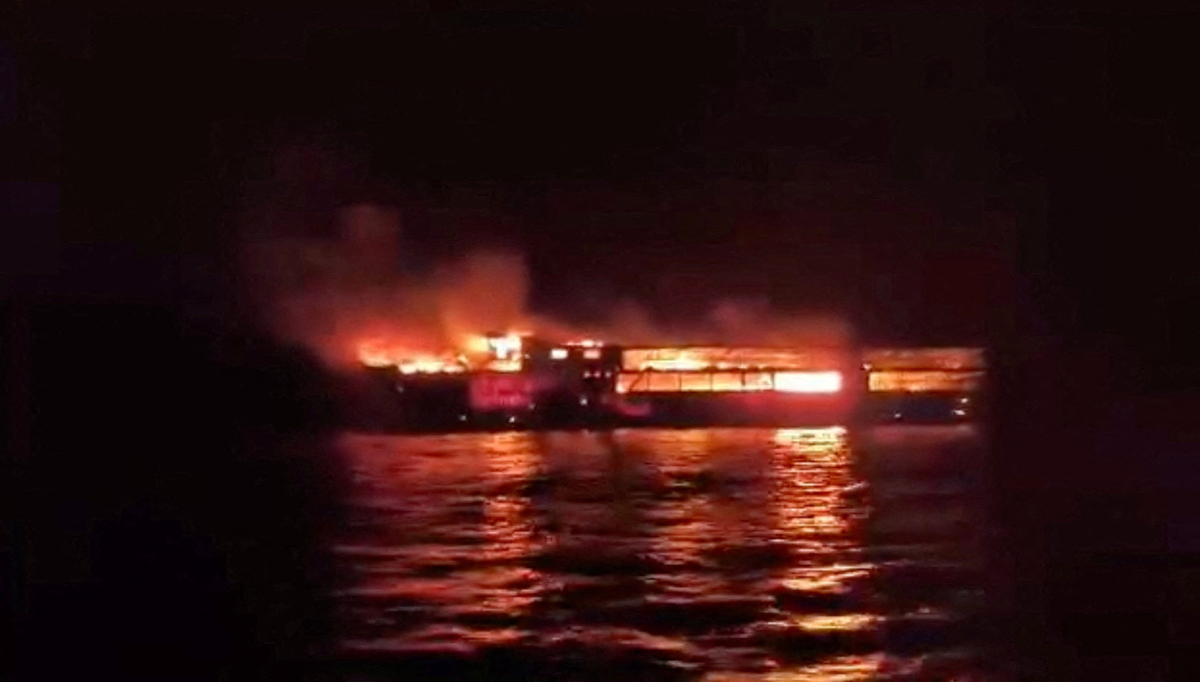
Philippine rescuers recovered 41 more charred remains from a ferry fire on Saturday (12 September), taking the death toll to 76, while 13 people remained unaccounted for as forensic teams worked to identify the victims.
Authorities in the Philippines said on Sunday it could take weeks or months to identify them as forensic experts begin collecting and comparing DNA samples from charred remains and investigators determine what caused one of the country's deadliest maritime disasters in recent years.
Some remains were found clustered together in parts of the vessel, said forensic specialist Richard Allan Mangalip from the Philippine National Police, while others were scattered across different areas of the ship, which was carrying more than 130 people and was nearing its destination when it caught fire.
The ferry was heading southwest from Manila to Coron, in Palawan province, a trip that generally takes about 20 hours.
“Most of them are already in a charred condition,” Mangalip said at a press conference, adding that authorities could not provide a firm timeline for identification because of the volume of specimens that must be examined. “It could be weeks, or it could be much longer.”
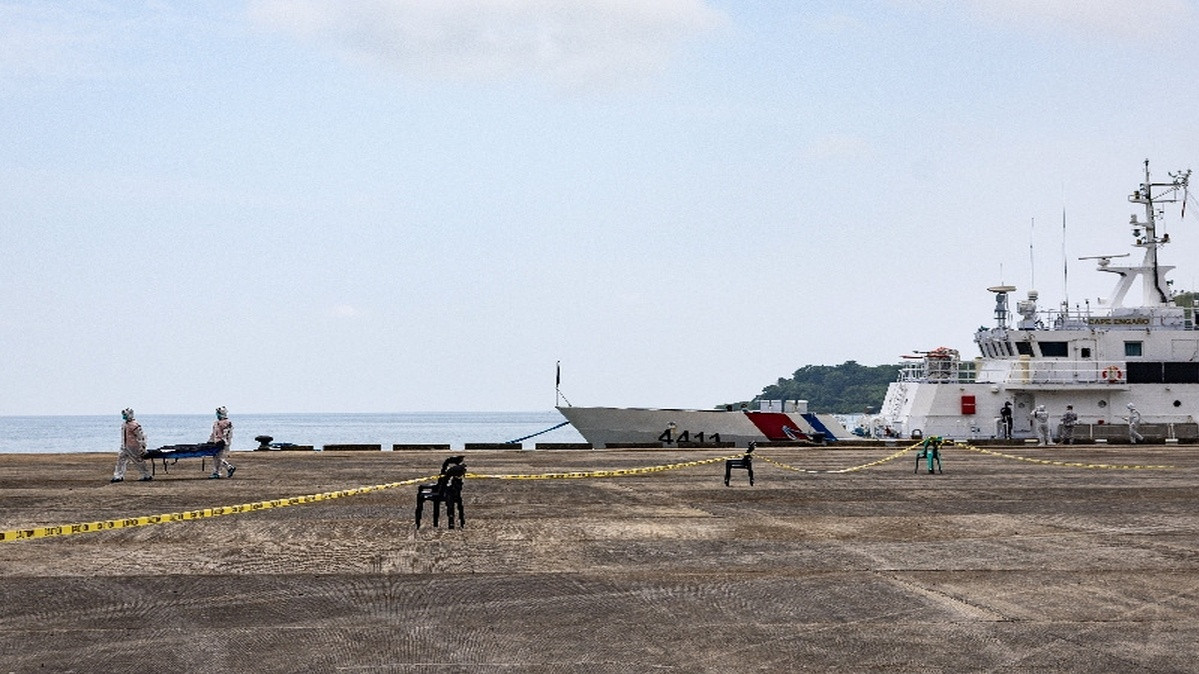
The identification process began after 41 bodies, 30 of which were recovered on Friday, were taken to a port in Coron, where temporary tents were set up for forensic teams.
Responders in protective suits were seen carrying black body bags from a Coast Guard vessel into the tents as families waited for news of their loved ones.
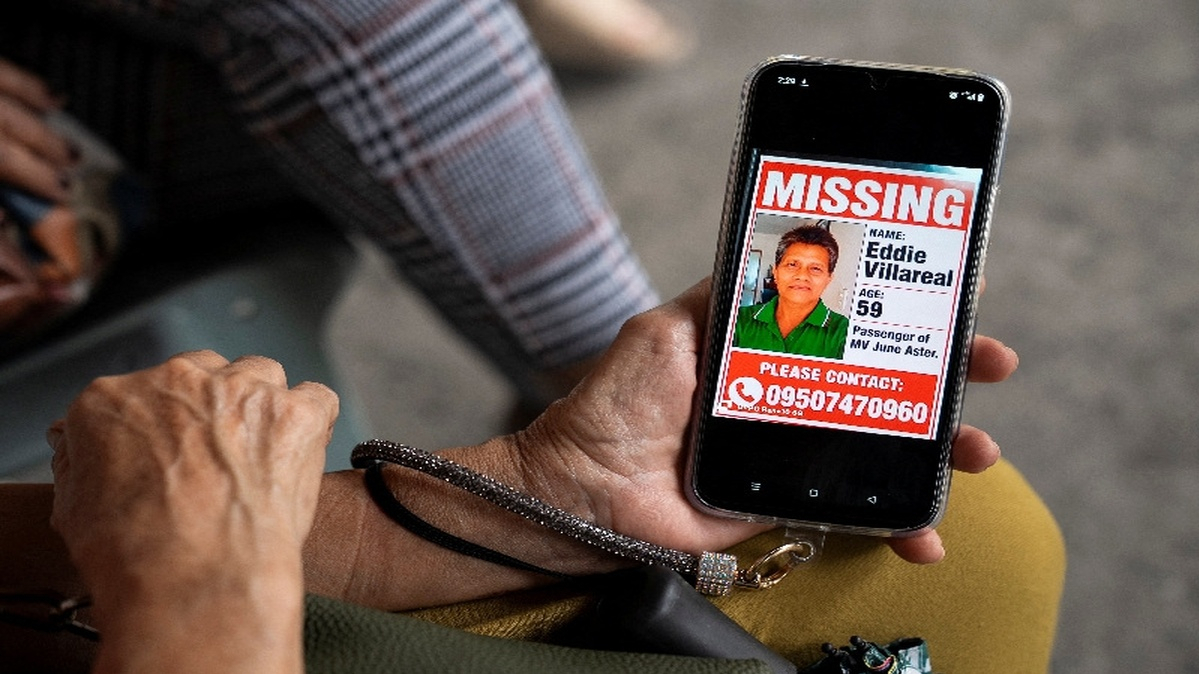
Among them was 37-year-old Anelyn Magbanua, whose husband was returning to Coron after visiting their children in Manila.
“I hope he is not among the dead being brought off the ship. I hope he is alive and has only drifted to another island,” she said.
“It will be very difficult to accept if he’s really gone. He loved his children very much.”
Investigation into cause of fire
Firefighters entered the ferry for the first time on Friday after extinguishing the blaze more than a day after it broke out, allowing authorities to reach areas that had been difficult to access because of thick smoke and extreme heat.
The Coast Guard said burnt remains were found in the ferry’s economy accommodation section.
Images released by the Coast Guard showed rows of steel bed frames twisted by intense heat and covered in ash, with some photographs appearing to show skeletal remains among the debris.
Philippine Coast Guard official Geronimo Tuvilla said the immediate priorities were to identify the victims and determine the cause of the fire.
The Maritime Industry Authority, citing survivor accounts, said two explosions were heard inside the vessel shortly before the fire broke out.
One survivor told GMA News that a small amount of smoke quickly turned into a fire that spread through the ferry within seconds.
Captain's whereabouts unclear
Questions also remained over the fate of the vessel’s captain.
Coast Guard spokesperson Commodore Noemie Cayabyab said she had received information that the captain was alive, but his name was not on the list of 43 confirmed survivors.
The fire is the latest in a series of deadly maritime accidents in the Philippines, an archipelago of more than 7,600 islands where millions rely on ferries and small boats to travel between provinces and islands.
Read more:













What is your opinion on this topic?
Leave the first comment