British energy major Shell has signed a new exploration contract with Kazakhstan’s Ministry of Energy for the Zhanaturmys block in the Aktobe Region, expanding the company’s upstream presence in one of the country’s most promising hydrocarbon basins.
The agreement allows Shell to begin geological exploration at the Zhanaturmys block, which covers approximately 1,377 square kilometres and lies within a region considered to hold significant oil and gas potential. The contract was signed by Kazakhstan’s Vice Minister of Energy, Erlan Akbarov, and Shell Kazakhstan Senior Vice President and Chair, Suzanne Coogan.
Under the terms of the agreement, the company will conduct seismic surveys, gather geological data and carry out a technical assessment of the site. The programme includes 3D seismic surveys and the potential drilling of a deep exploratory well, reflecting the scale and technical complexity of the project.
Kazakh officials say the initiative is intended to strengthen the country’s long-term hydrocarbon resource base. According to Vice Minister Akbarov, the project is expected to contribute to energy security while supporting sustainable economic development through continued exploration activity.
Global expertise
For Shell, the contract marks the continuation of its long-standing involvement in Kazakhstan’s energy sector. Coogan said the agreement reflects the company’s commitment to long-term co-operation with the country and its intention to apply global expertise and advanced technologies to help expand Kazakhstan’s resource base.
The exploration contract will remain in force until 2032 and will be implemented under Kazakhstan’s improved model exploration contract framework. As part of its obligations, Shell will also allocate at least $200,000 towards socio-economic development initiatives in the region where the Zhanaturmys block is located.
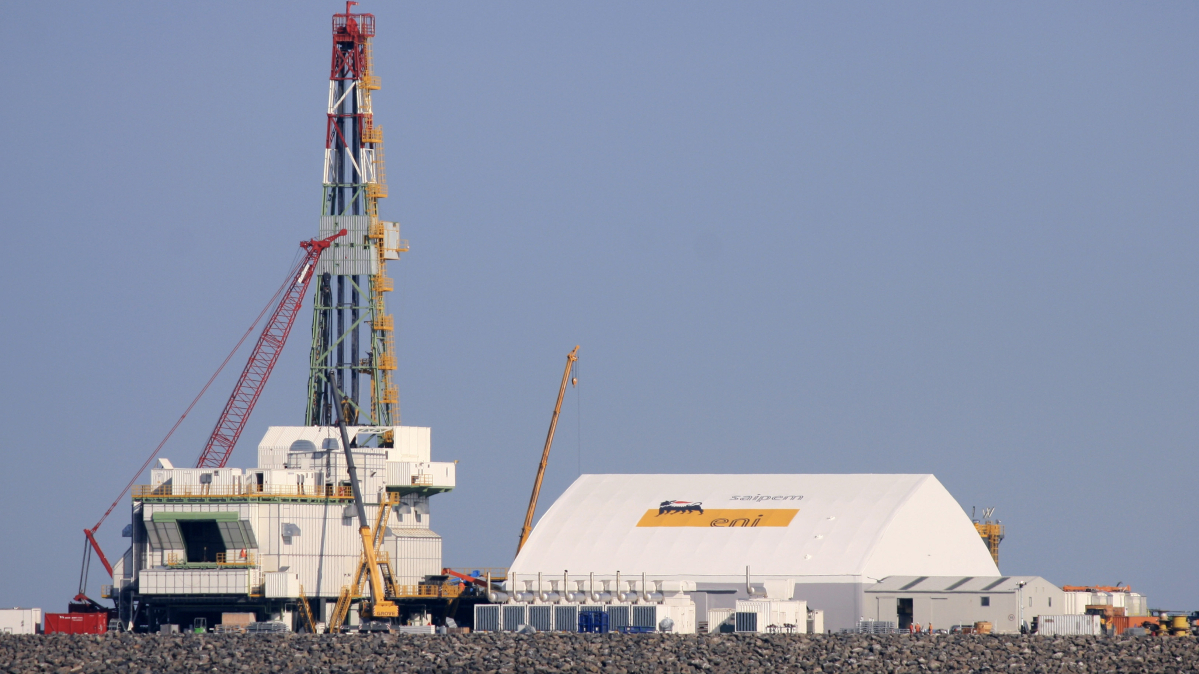
The agreement comes amid a broader legal and regulatory context involving Kazakhstan and several international oil companies operating in the country. Earlier this year, a consortium that includes Eni, Chevron and Lukoil, alongside Shell, lost a court dispute concerning cost deductions under the Karachaganak gas condensate field project.
The ruling could result in payments to Kazakhstan estimated at between $2 billion and $4 billion, although the consortium retains the right to appeal. Investors had previously proposed resolving the dispute by constructing a gas processing plant to supply Kazakhstan’s domestic market.
Separately, legal proceedings continue in relation to the Kashagan oil field, one of the largest offshore oil developments in the world. Kazakh authorities have raised claims linked to environmental violations, including the storage of sulphur above permitted limits, as well as questions regarding the justification of project costs. The state’s claims in the Kashagan case are estimated at around $13.5 billion.
Despite these disputes, Kazakhstan’s leadership has repeatedly stressed that co-operation with international investors remains stable. According to the Ministry of Energy, 321 contracts for hydrocarbon exploration and production are currently active in Kazakhstan’s subsoil use sector.
















What is your opinion on this topic?
Leave the first comment