Kazakhstan's grain sector faces a difficult season as drought reduces harvest prospects while mounting security risks in the Black Sea threaten to redirect cheaper Russian grain into Central Asian markets.
Drought cuts harvest prospects
Kazakhstan's agricultural sector is facing a twin challenge this summer, with extreme weather reducing crop yields while rising security risks in the Black Sea threaten to reshape regional grain trade.
According to Yevgeny Karabanov, Head of the Analytics Committee at the Grain Union of Kazakhstan, prolonged heat and a lack of rainfall have already affected several of the country's main grain-producing regions. Southern parts of the Akmola Region, together with the Karaganda, Pavlodar, East Kazakhstan and Abai regions, have experienced unusually hot and dry conditions, leaving crops without sufficient moisture during a critical stage of development. As a result, Kazakhstan's grain harvest is expected to fall below last year's record level.
Global markets add pressure
The weaker harvest comes as global commodity markets remain highly sensitive to geopolitical developments. Karabanov said food prices in Kazakhstan are closely linked to international supply and demand, particularly in the oilseed market, where prices track global vegetable oil markets and, indirectly, crude oil prices.
Karabanov said tensions surrounding the Strait of Hormuz and Iran's actions have already contributed to higher oil prices, pushing vegetable oil prices in Kazakhstan up by around 15% since March. However, he believes the greater risk lies in the Black Sea. Drone attacks on civilian cargo vessels and tankers, as well as missile strikes on infrastructure in recent days, have heightened concerns over the security of one of the world's most important grain export corridors.
Russia is the world's largest wheat exporter, while Ukraine ranks among the top six. Together, the two countries account for more than 60 million tonnes of export capacity in a global wheat market of just over 200 million tonnes a year. More than 70% of Russian grain exports pass through ports in the Azov-Black Sea basin.
Cheaper Russian grain could squeeze farmers
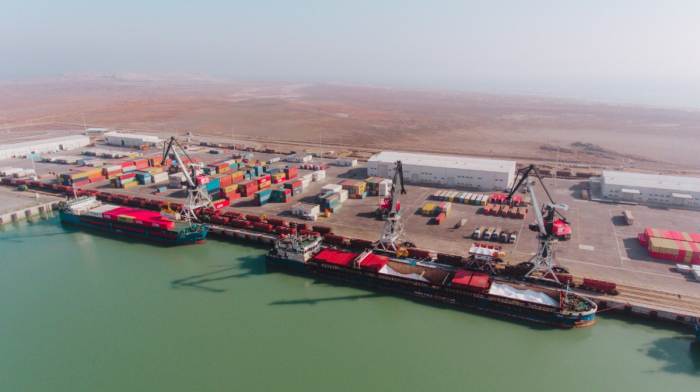
If those export routes were disrupted, Karabanov warns that Russian exporters could be forced to redirect significant volumes of grain to neighbouring overland markets. Kazakhstan and other Central Asian countries, which are key destinations for Kazakh wheat and flour exports, would likely become the most accessible alternatives.
An influx of cheaper Russian grain could drive down domestic prices in Kazakhstan, placing additional financial pressure on local farmers. Many producers are already operating on tight margins, and lower revenues could make it more difficult to service existing loans and finance next year's sowing campaign.
To reduce that risk, Kazakhstan's Ministry of Agriculture has introduced a six-month ban on grain imports. The restrictions include exemptions for domestic flour mills, poultry farms and the state-owned Food Contract Corporation.
Karabanov said the policy is intended to shield the domestic market while allowing processors to continue using relatively inexpensive imported grain where permitted and preserving higher-value Kazakh grain for export. While lower grain prices could provide short-term relief for consumers, he warned that a prolonged collapse in farm incomes would ultimately undermine domestic production, increasing the risk of supply shortages and sharper food price inflation in the future.
Balancing prices and production
For the government, the challenge is to balance two competing priorities: containing food inflation without placing additional pressure on an already constrained public budget, while ensuring farmers remain financially viable.



















What is your opinion on this topic?
Leave the first comment