France is preparing for a fresh wave of nationwide demonstrations this weekend as rising living costs, education concerns and growing political tensions converge into one of the most significant protest movements seen in the country in recent years.
Authorities expect hundreds of actions across France, with demonstrations planned not only in major cities but also at roundabouts, fuel stations and shopping areas, echoing tactics used during the Yellow Vest movement that first emerged in 2018.
The mobilisation brings together a broad coalition of activists, trade unions, political parties, students and civil society organisations, highlighting growing dissatisfaction with both economic conditions and government policy.
Cost-of-living concerns drive new demonstrations
Organisers say the protests are being fuelled by concerns over household finances, including fuel prices, the rising cost of basic goods and opposition to proposed budget measures that critics argue will leave public-sector workers and vulnerable groups struggling with inflation.
Several prominent figures from the Yellow Vest movement have publicly endorsed the demonstrations, seeking to revive a movement that once drew hundreds of thousands of people onto France's streets and posed one of the biggest challenges to the government.
Labour organisations, left-wing political groups and social movements have also thrown their support behind the mobilisation, broadening its appeal beyond traditional protest networks.
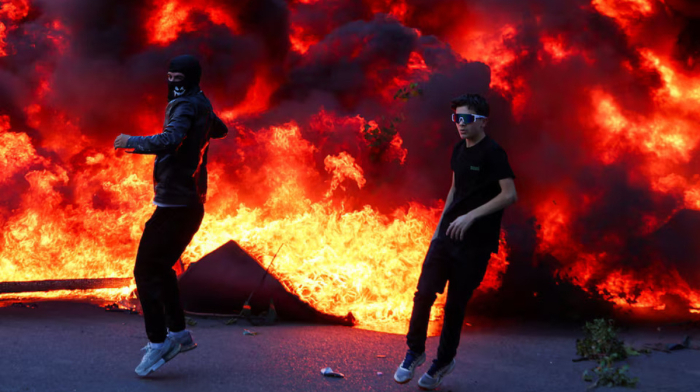
French authorities have warned that some demonstrations could become volatile. Security services are preparing for possible disruptions in Paris and other major urban centres, where officials fear that extremist or violent elements could exploit the gatherings.
Student movement adds new momentum
The weekend demonstrations come against the backdrop of weeks of unrest in schools and universities across France.
What began as student protests over education conditions has rapidly evolved into a wider movement addressing inequality, public services and opportunities for young people.
Thousands of pupils and university students have participated in demonstrations, with protesters citing overcrowded classrooms, staffing shortages, deteriorating facilities and frustrations with the higher education admissions system.
The unrest has spread from the Paris region to towns and cities across the country, affecting hundreds of educational institutions.
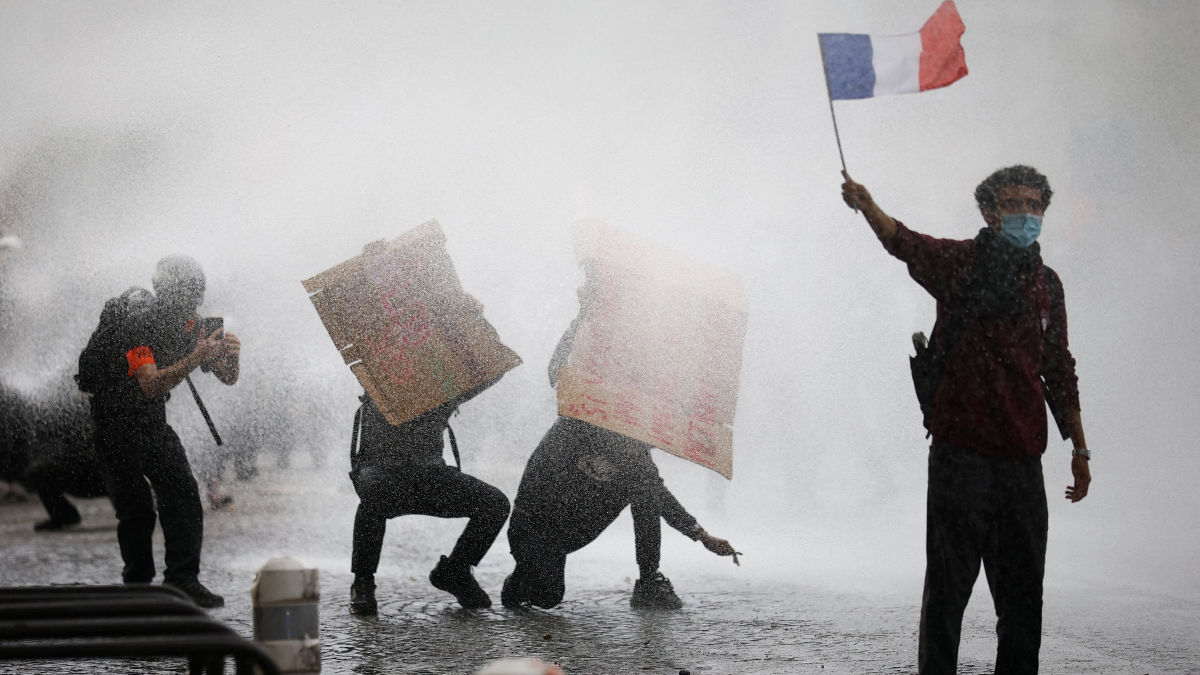
Clashes between students and police have become increasingly common. Protesters have erected barricades outside schools, while security forces have used tear gas and other crowd-control measures to disperse demonstrations that block access to educational facilities.
Police have reported hundreds of injuries among officers during recent unrest and thousands of arrests connected to protest activity.
A familiar pattern in French politics
Mass demonstrations have long played a central role in French political life.
From the student movements of 1968 to the suburban unrest of 2005, the pension protests of 2023 and the Yellow Vest movement, street mobilisation remains one of the country's most powerful forms of political expression.
However, the current unrest stands out because of its timing.
France is entering a heated presidential election season, with candidates across the political spectrum increasingly seeking to capitalise on public dissatisfaction.
The demonstrations have therefore become more than a social issue. They are now emerging as a major political battleground.
Election campaign in the background
The growing unrest has sharpened divisions between France's leading political forces.
Left-wing figures have expressed support for student demonstrators and criticised police tactics, arguing that young people are raising legitimate concerns about education, social mobility and public investment.
Conservative and right-wing politicians, meanwhile, have condemned violence and vandalism linked to some demonstrations, calling for tougher law enforcement measures.
President Emmanuel Macron, who cannot seek another consecutive term under France's constitutional rules, has also entered the debate. While defending the right to peaceful protest, he has criticised violence and warned against efforts to exploit students for political purposes.
Broader problems facing French society
The protests have exposed deeper anxieties about France's future.
Recent international education assessments have highlighted declining performance in key subjects such as mathematics and reading. At the same time, concerns persist over growing inequality between students from different economic backgrounds.
These issues are unfolding against wider economic pressures, including inflation, budget constraints and concerns about public debt.
For many protesters, the demonstrations are no longer solely about education or fuel prices. They have become a wider expression of frustration over economic security, public services and confidence in political institutions.
As France heads into a critical election period, the scale of Saturday's mobilisation could offer an important indication of whether the latest protest movement develops into a sustained challenge for the government and the country's political establishment.
Read more:











What is your opinion on this topic?
Leave the first comment