Sweden will reintroduce internal border controls for six months, citing security threats linked to Russia’s war in Ukraine, while Poland has detained six people suspected of spying for Moscow and illegally supplying military components to Russia.
Sweden cites Russia and hybrid threats
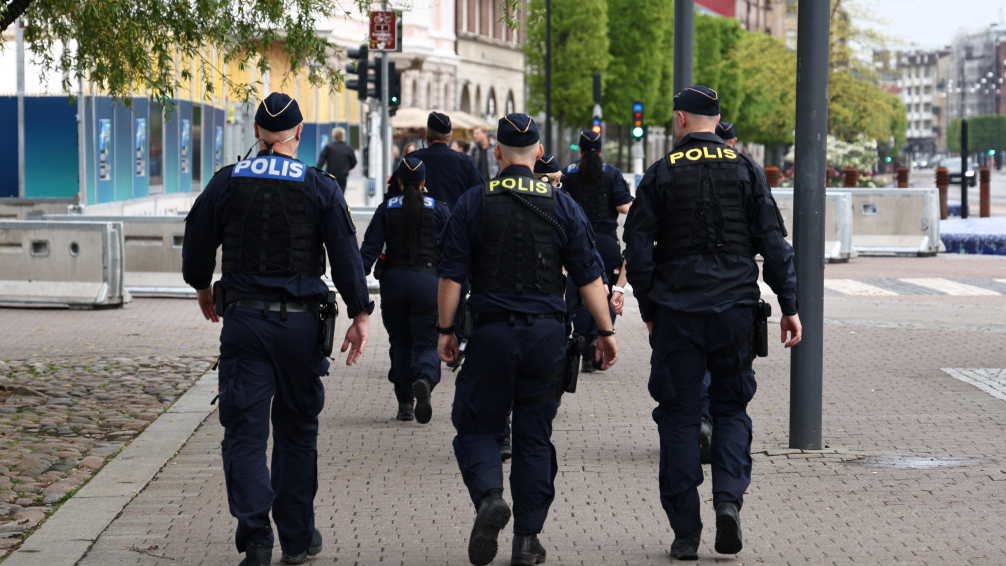
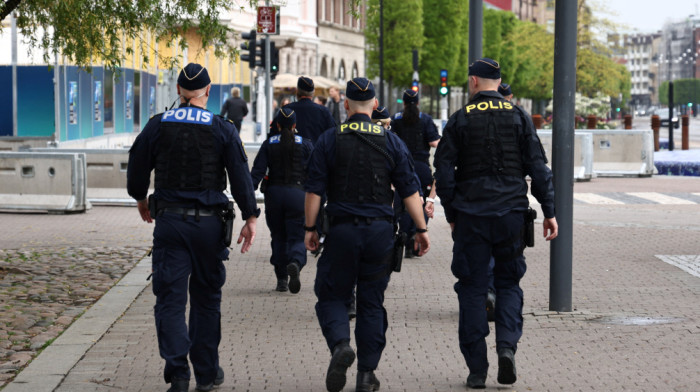
The Swedish government said in a written statement that border controls will be in place from 12 November 2026 to 11 May 2027 in response to serious threats to public order and internal security.
The government cited Russia’s attacks on Ukraine, hybrid threats and the movement of “hostile” actors within the Schengen area as key reasons for the decision. Police will determine how the controls are implemented.
Sweden joins other Schengen countries, including France, Germany, Norway and Denmark, which have also introduced temporary border controls.
Poland detains six suspects
Meanwhile, Poland’s Internal Security Agency (ABW) said on Thursday it had detained six people on suspicion of working for Russian intelligence and illegally supplying military components to Moscow.
Tomasz Siemoniak, Poland’s minister responsible for coordinating intelligence services, identified the suspects as five Polish nationals aged 25 to 52 and a 37-year-old Russian woman.
Investigators believe the group operated on behalf of Russian intelligence, illegally exporting large quantities of components used in ammunition and weapons systems that could have bolstered Moscow’s military capabilities.
Searches across three regions
The ABW said officers searched 21 locations from 21 October to 2 November across three regions in northern and western Poland: Warmia-Masuria, Pomerania and Greater Poland.
Espionage and organised crime charges
All six suspects face charges of involvement in an organised criminal group, while four, including the Russian woman, also face espionage charges.
Additional charges relate to alleged violations of Polish laws governing international trade in goods and technologies deemed strategically important to national defence and international security.
A court ordered the four suspects facing espionage charges to remain in pre-trial detention for three months. The remaining two were placed under non-custodial preventive measures.
The investigation is under the supervision of the National Prosecutor’s Office in Białystok.
EU rules allow temporary border checks
Free movement across internal borders is a core principle of the Schengen area, Europe's passport-free travel zone. However, countries can temporarily restore border checks in response to serious threats to public order or internal security.
Under EU rules, such measures must be a last resort, limited in duration, necessary and proportionate to the threat.
The European Commission oversees temporary border controls to ensure compliance with EU law. If a country breaches the rules, Brussels can launch infringement proceedings and ultimately refer the case to the Court of Justice of the European Union if the violation remains unresolved.
However, a Commission assessment does not automatically require a country to lift its border controls.
In June, the Commission issued opinions on nine Schengen countries that had maintained internal border checks for extended periods, examining whether the restrictions remained necessary and proportionate.
Read more:












What is your opinion on this topic?
Leave the first comment