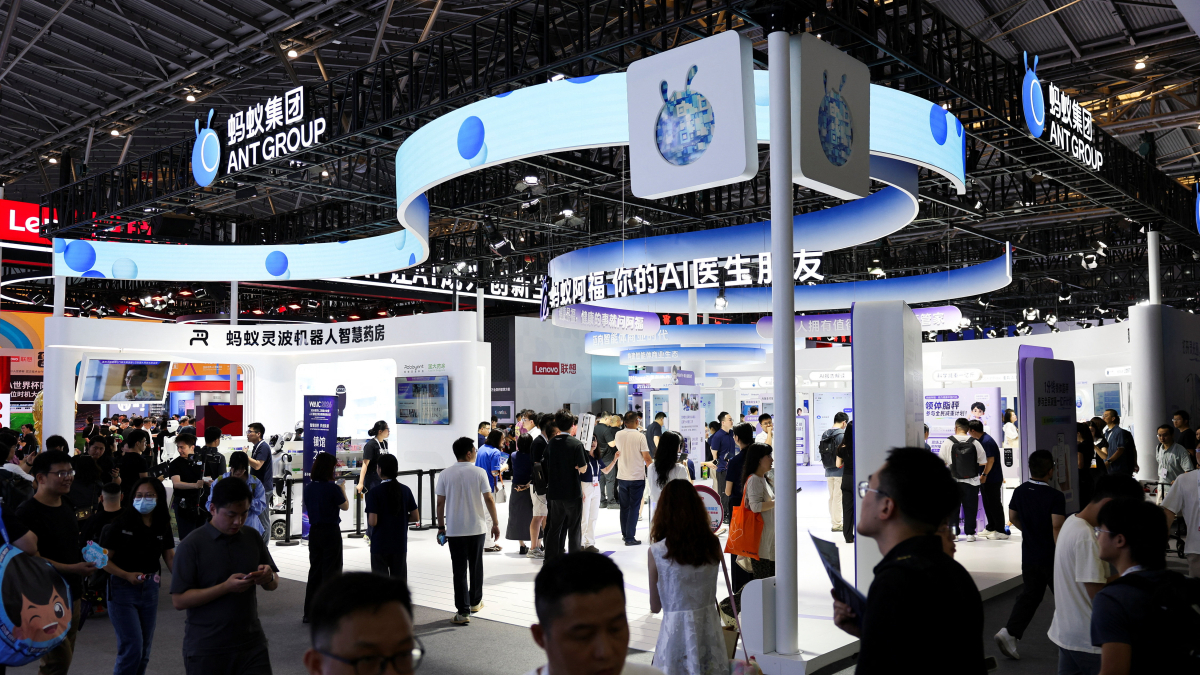
A senior Chinese financial regulator has warned that a surge in artificial intelligence investment risks starving other sectors of vital funding as capital becomes increasingly concentrated in a handful of technology giants.
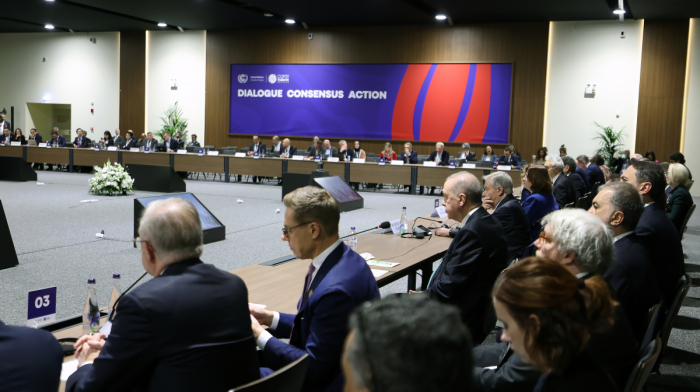
Xiao Yuanqi, deputy head of the National Financial Regulatory Administration, raised the alarm on Tuesday at the Hong Kong Monetary Authority's Global Financial Leaders' Investment Summit.
He warned that the flood of capital into the technology sector and a small number of leading companies is increasing leverage and risks fuelling excessive expansion.
Traditional businesses face growing pressure
The impact could extend far beyond the technology sector. According to Xiao, concentrated investment is driving up borrowing costs for traditional businesses, increasing their financial burdens and limiting their ability to reinvest and expand production. This could also heighten credit risks.
He urged policymakers to develop frameworks to manage the economic transformation driven by AI, addressing both broader economic challenges and financial stability risks.
AI attracts growing share of global investment
Figures highlight the scale of the imbalance. AI companies accounted for 61 per cent of global venture capital investment in 2025, compared with 30 per cent in 2022. Deals exceeding $100 million represented around 73 per cent of AI venture funding.
U.S.-based AI companies dominated the market, attracting approximately 75 per cent of global AI venture investment by value. The European Union received 6 per cent, while China and the United Kingdom each accounted for 5 per cent.
Xiao's warning was not directed at AI investment itself, but at the potential consequences of too much capital flowing into too few companies. Such concentration could distort funding across the economy, leaving other productive businesses struggling to secure affordable credit.
The International Monetary Fund (IMF) has said financial stability risks remain manageable for now. However, it has warned that rising leverage, market concentration and increasingly interconnected financing could magnify shocks if anticipated AI revenues or productivity gains fail to materialise.
Asian technology stocks come under pressure
The warning comes amid mounting pressure on Asian technology markets.
China's tech-focused STAR 50 index slumped nearly 4 per cent on Tuesday, hitting its lowest level since April 2025.Markets in South Korea, Japan and Taiwan have also recorded significant declines in recent trading sessions.
China steps up scrutiny of AI's wider impact
Beijing is also examining the broader economic consequences of rapid AI development, particularly its impact on jobs and competition.
China's National Development and Reform Commission said on Tuesday that it would closely monitor AI's impact on employment and strengthen early warning systems to identify potential job losses.
Meanwhile, an industry forecast cited in Korean media suggests at least 15 per cent of China's humanoid robot manufacturers could collapse or be absorbed through mergers within three years.
More than 150 companies are competing in the sector, where commercialisation has progressed more slowly than expected.
The developments highlight a growing challenge for Beijing: sustaining rapid technological innovation while ensuring traditional industries retain access to the financing needed to grow.
Read more:
















What is your opinion on this topic?
Leave the first comment