European Union leaders face tough negotiations over the bloc’s proposed €1.6 trillion budget for 2028–2034, with funding for Ukraine emerging as a major sticking point.
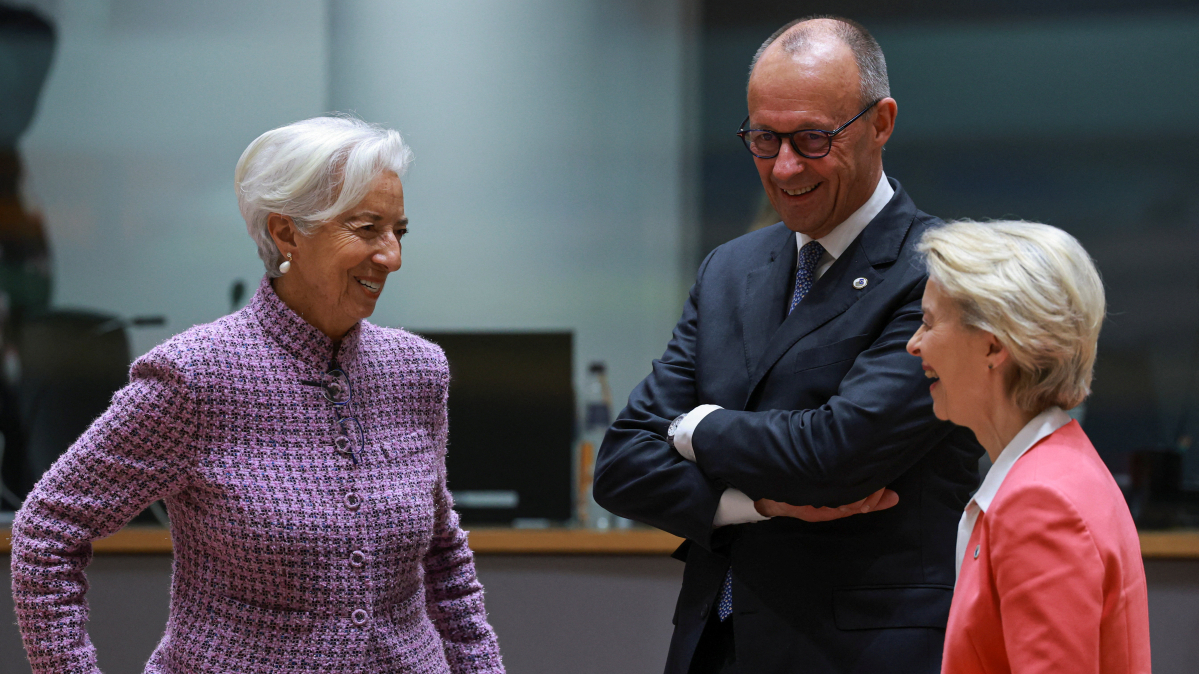
At a summit in Brussels on Thursday, 26 November, leaders sought to narrow their differences ahead of a planned budget deal in December.
As Russia’s war against Ukraine continues, Kyiv’s allies want to secure long-term funding before political changes and upcoming elections across Europe complicate negotiations.
Ukraine funding at the centre of debate
German Chancellor Friedrich Merz stressed the need to maintain support for Kyiv.
“We must ensure that Ukraine receives sufficient support in the coming years,” he said, warning that a prolonged war could trigger further waves of refugees.
The proposed seven-year budget includes up to €100 billion for Ukraine, although diplomats say this would fall short of the country’s needs.
The EU is also considering a €45 billion loan for Ukraine in 2027, which Kyiv would only have to repay if Russia pays war reparations.
Divisions among EU members
A key point of contention is whether all 27 member states should contribute to the proposed loan.
Slovakia, the Czech Republic, Hungary and Bulgaria oppose the arrangement, while Germany and several other countries insist that all members should participate.
The dispute reflects wider divisions between wealthier EU countries, which contribute more to the bloc’s budget than they receive, and those that rely more heavily on EU funding.
Some governments want to prioritise competitiveness and economic growth, while others argue that funding for agriculture and regional development must be protected.
Political pressure to reach a deal
Upcoming elections across Europe are adding urgency to the talks, particularly France’s presidential election in 2027.
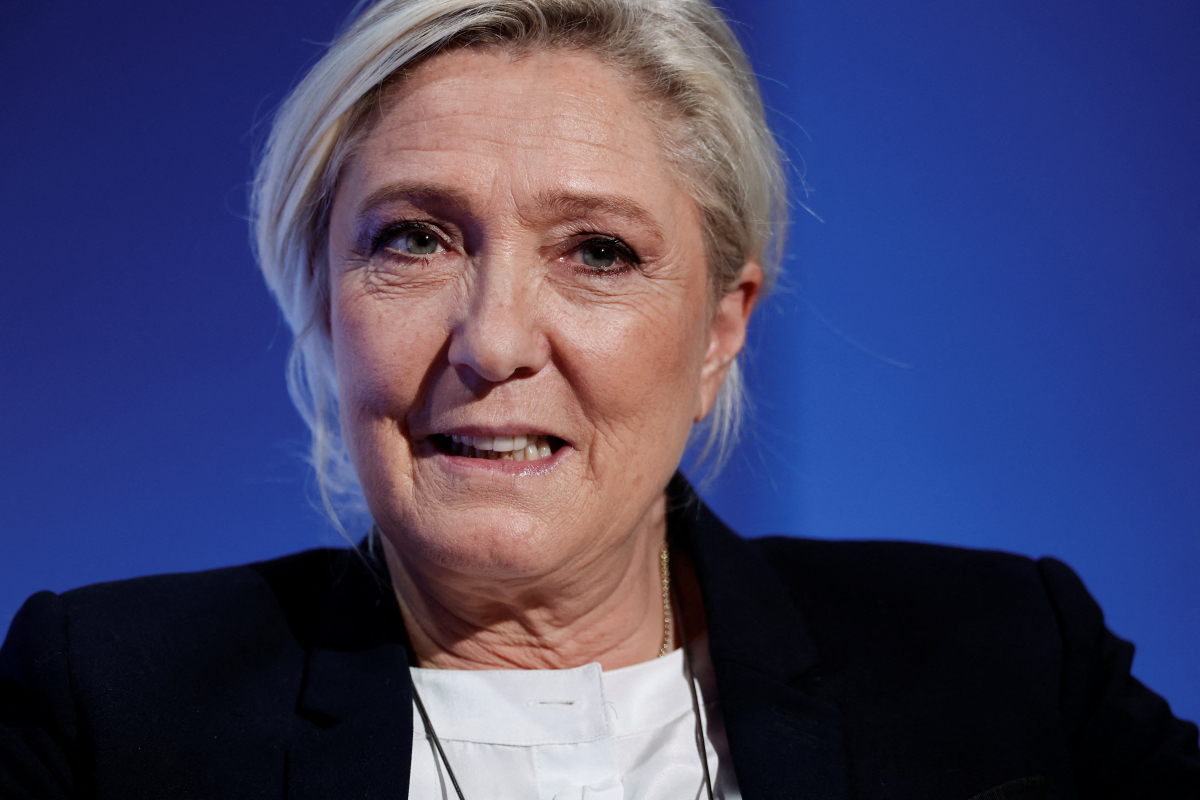
French far-right leader Marine Le Pen has said she would end France’s financial support for Ukraine if elected and seek to reduce the country’s contributions to the EU budget.
Greek Prime Minister Kyriakos Mitsotakis warned that delaying an agreement could make negotiations much harder next year.
The EU hopes to secure a deal at its December summit, but any agreement requires the unanimous approval of all 27 member states.
Read more:
















What is your opinion on this topic?
Leave the first comment