Myanmar’s military-backed president has said his administration will not fully comply with orders from the International Court of Justice (ICJ) after the UN’s top court ruled that the country’s security forces committed genocide against the Rohingya minority in 2017.
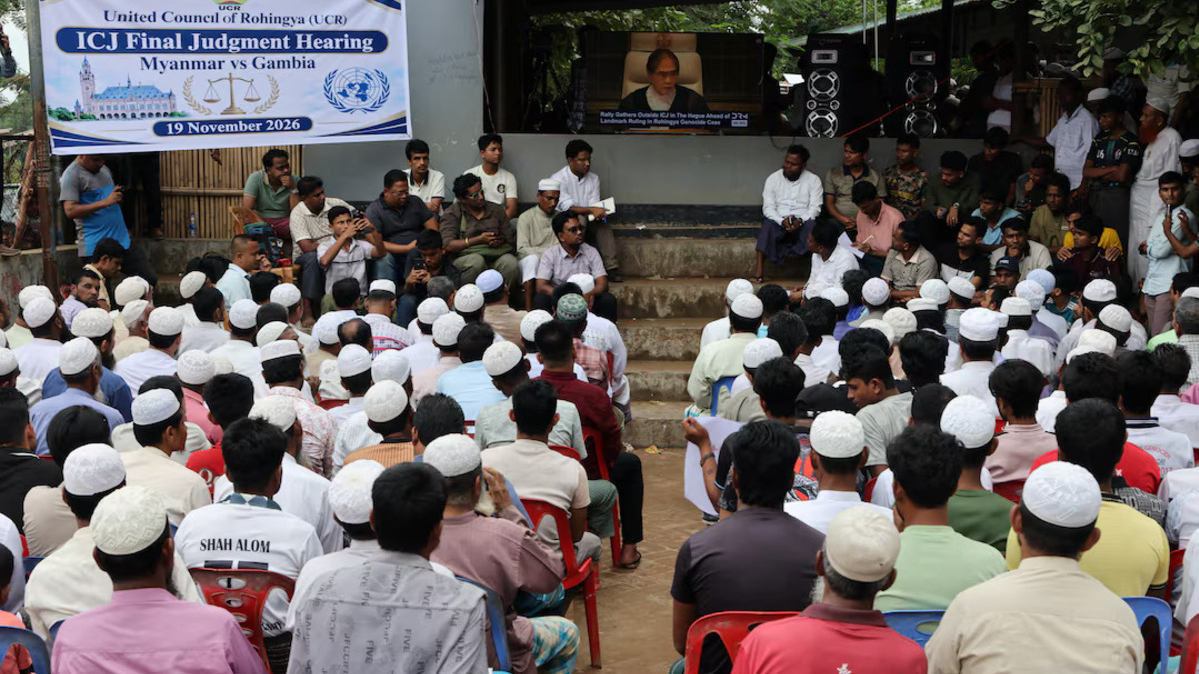
The landmark judgment, delivered last week, marks the first time the ICJ has held a state responsible for genocide. While the ruling is final, the court has limited powers to enforce it.
The court found that the military’s actions against the predominantly Muslim minority included thousands of killings, the destruction of hundreds of villages and widespread sexual violence.
Myanmar rejects court ruling
In his first public remarks since the verdict, Myanmar’s President Min Aung Hlaing rejected the judgment, saying the genocide designation had damaged the country’s reputation.
“Myanmar would take actions appropriate for a responsible country but would not comply with requirements it considered inappropriate,” he said during a meeting on Wednesday, according to state media.
He did not specify which requirements his administration would refuse to implement.
ICJ demands accountability and compensation
The court has ordered Myanmar to end ongoing violations of the Genocide Convention and investigate, prosecute and punish individuals reasonably suspected of involvement in the 2017 military operations.
Myanmar must also ensure that such violations do not recur, facilitate the return of displaced Rohingya, restore lost property, help locate missing people and provide rehabilitation to survivors.
The ruling further requires the country to protect the minority from discrimination and persecution and compensate victims for harm that cannot be remedied through restitution.
Myanmar must submit a report within two years detailing the measures taken, including proposed compensation.
Myanmar defends military operations
Myanmar has maintained that its military operations in northern Rakhine state between 2016 and 2018 were counter-terrorism measures targeting an insurgent group.
The country’s foreign ministry has previously said that the operations were “not carried out with genocidal intent but instead were limited in scope and duration, lasting only a matter of days.”
Rohingya refugee crisis
The 2017 military crackdown forced more than 730,000 Rohingya to flee Rakhine state for neighbouring Bangladesh.
Around 1.2 million Rohingya refugees now live in camps across Bangladesh.
Read more on Myanmar:












What is your opinion on this topic?
Leave the first comment