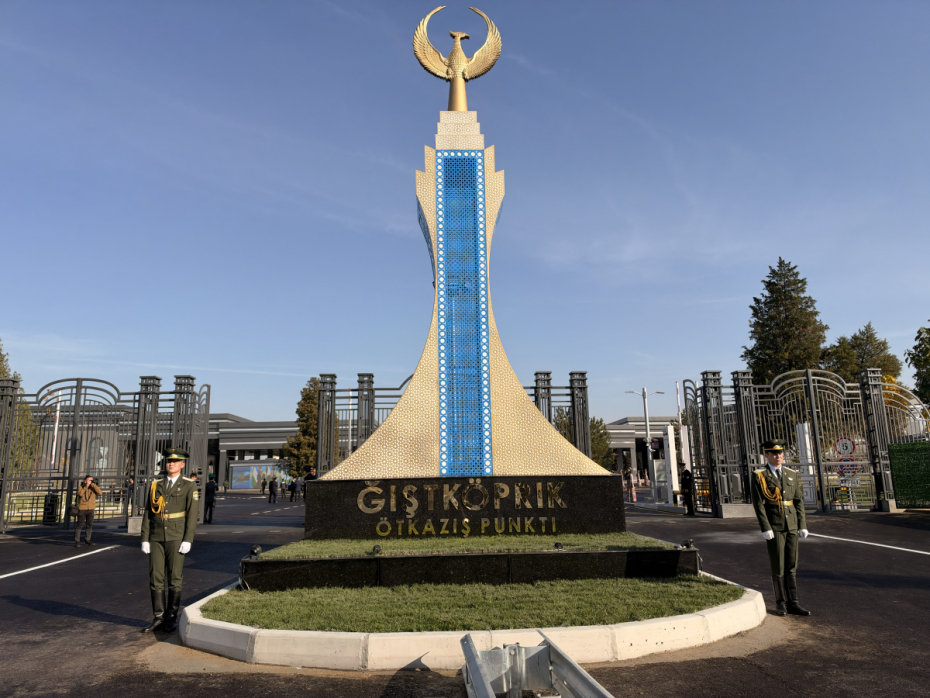
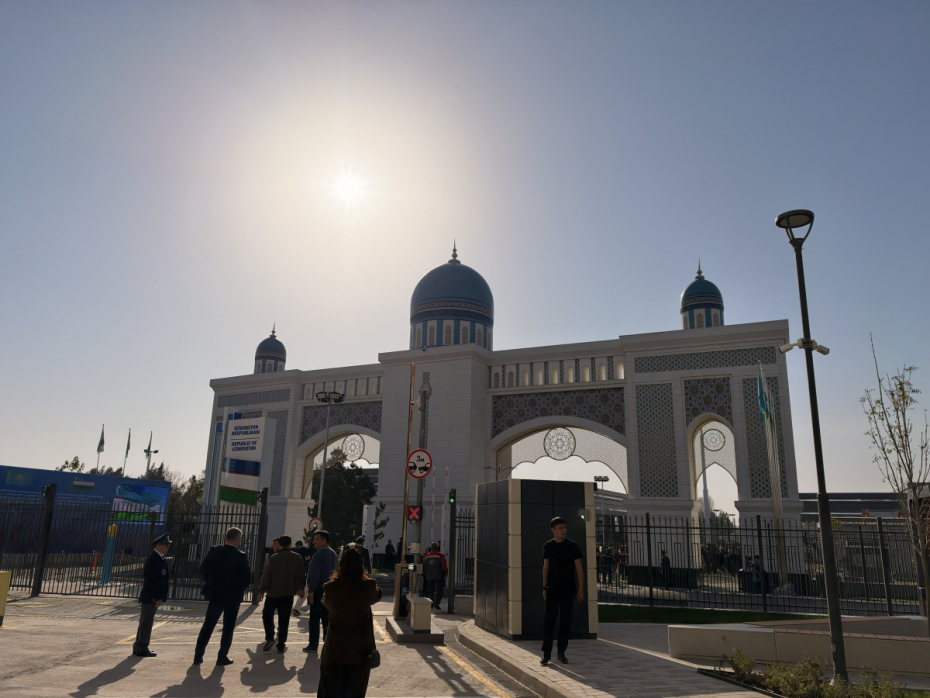
Uzbekistan and Kazakhstan have reopened the Gishtkuprik–Zhibek Zholy border crossing after almost two years of reconstruction, more than tripling its daily capacity.
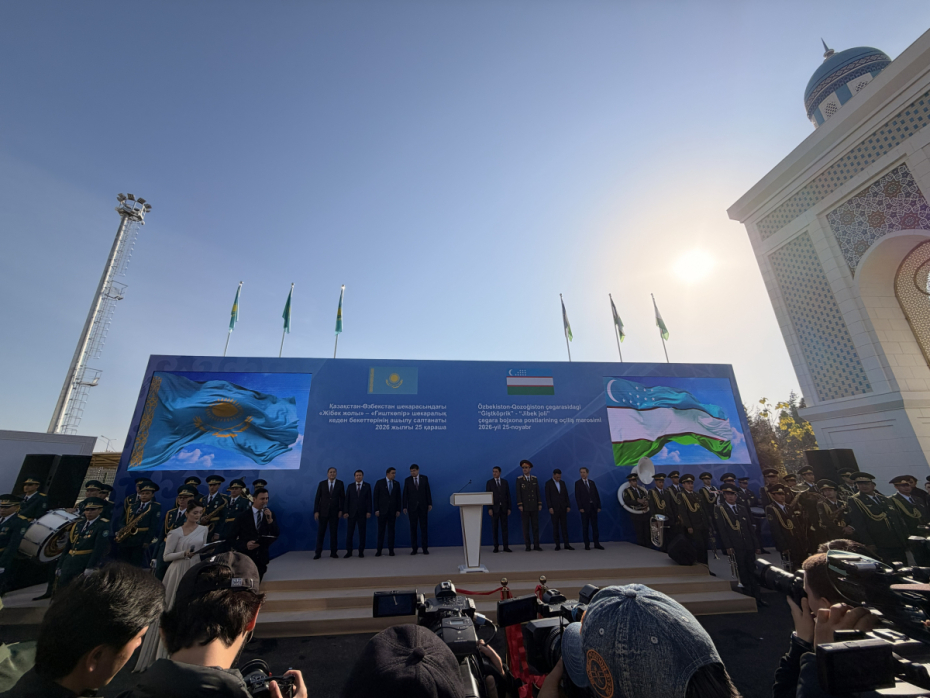
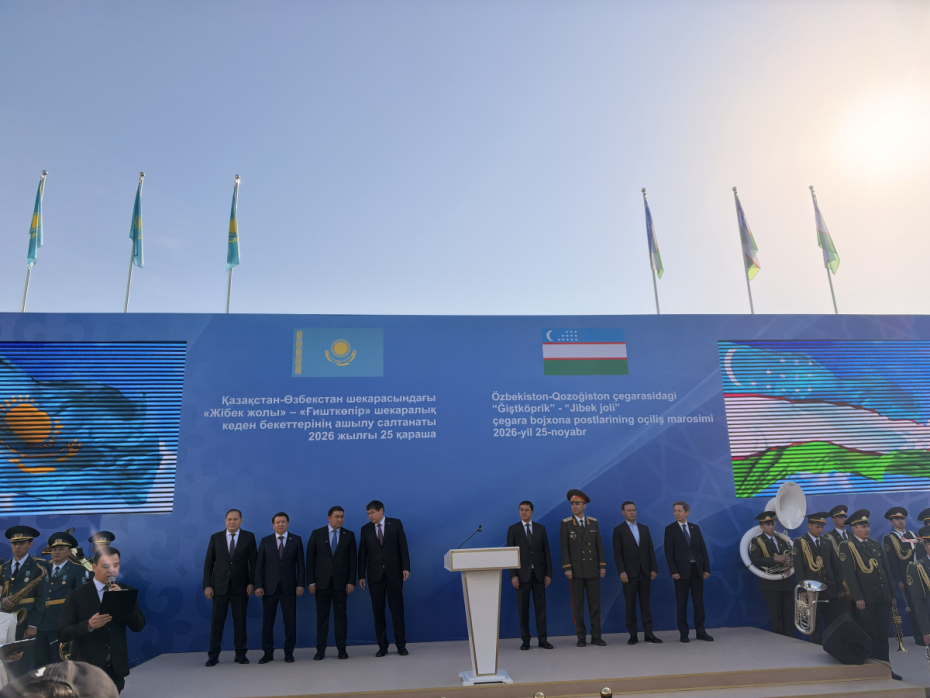
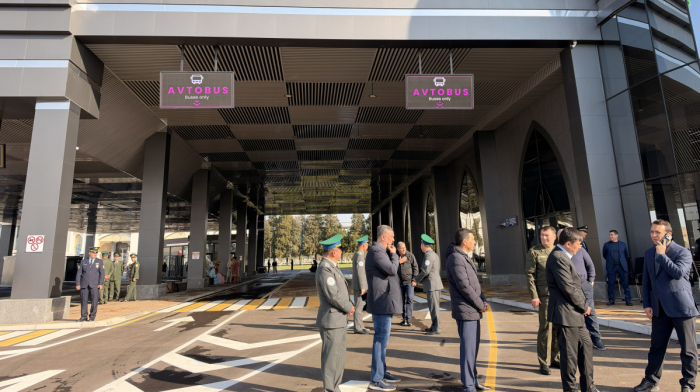
The new buildings at the Gishtkuprik post on the Uzbek side and Zhibek Zholy on the Kazakh side were officially commissioned on 25 November. The ceremony was attended by Uzbekistan's Deputy Prime Minister Jamshid Kuchkarov, Kazakhstan's Finance Minister Madi Takiyev, the heads of both countries' customs services and the governors of Tashkent and Turkestan regions.
Travellers could use the crossing again from that afternoon.
Key gateway under strain
Gishtkuprik, widely known as Chernyaevka, has been one of Uzbekistan's most important crossings on the border with Kazakhstan. In 2024, 11.5 million people and 291,000 passenger cars passed through it, up from 9.8 million people and 244,000 cars a year earlier.
Reconstruction began under a presidential decree of 27 April 2022, and in February 2025 the post closed completely. The works were initially expected to take four months but lasted almost two years.
During the closure, traffic shifted to neighbouring crossings. According to the Customs Committee, the load on the Navoi and Yallama posts increased and long queues formed at both. Ahead of the Eid al-Adha holiday that year, hundreds of vehicles were held up at the border, mostly on the Kazakh side.
More lanes, scanners and robots
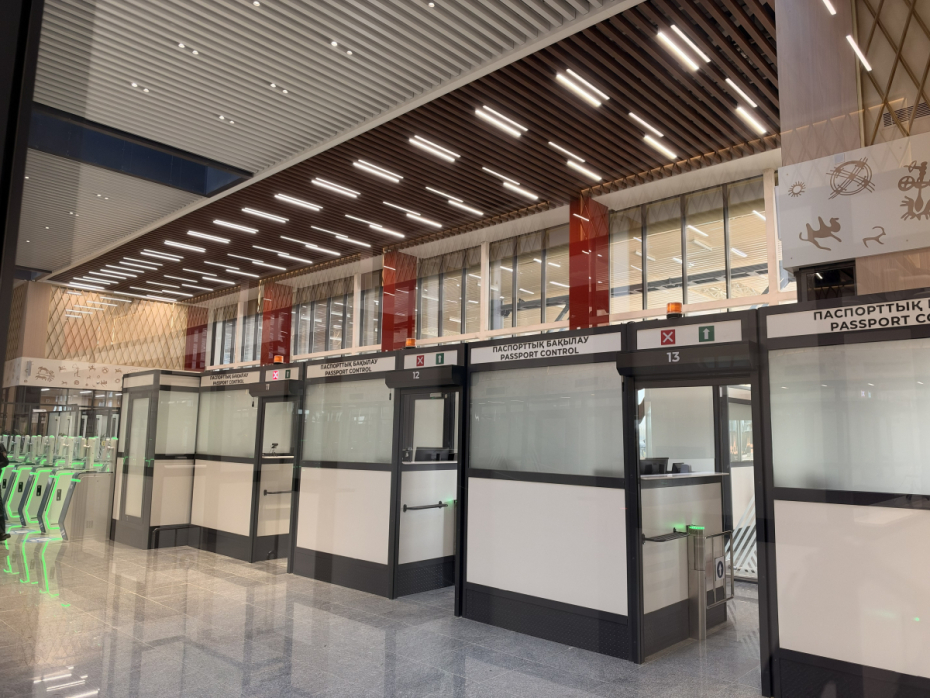
The post's territory has been expanded from six to nine hectares. Pedestrian lanes have doubled from four to eight, vehicle inspection lanes have increased from four to 18, and parking spaces have grown from 20 to 200.
The post can now serve up to 100,000 people a day instead of 31,000. It can also take 3,000 passenger cars instead of 750, and 400 buses instead of 70.
The checkpoint is equipped with:
- three new inspection complexes
- 10 X-ray machines
- two body scanners
- six radiation portal monitors
- 188 surveillance cameras
A Smart Customs Border system has been introduced to speed up checks for cars and buses.
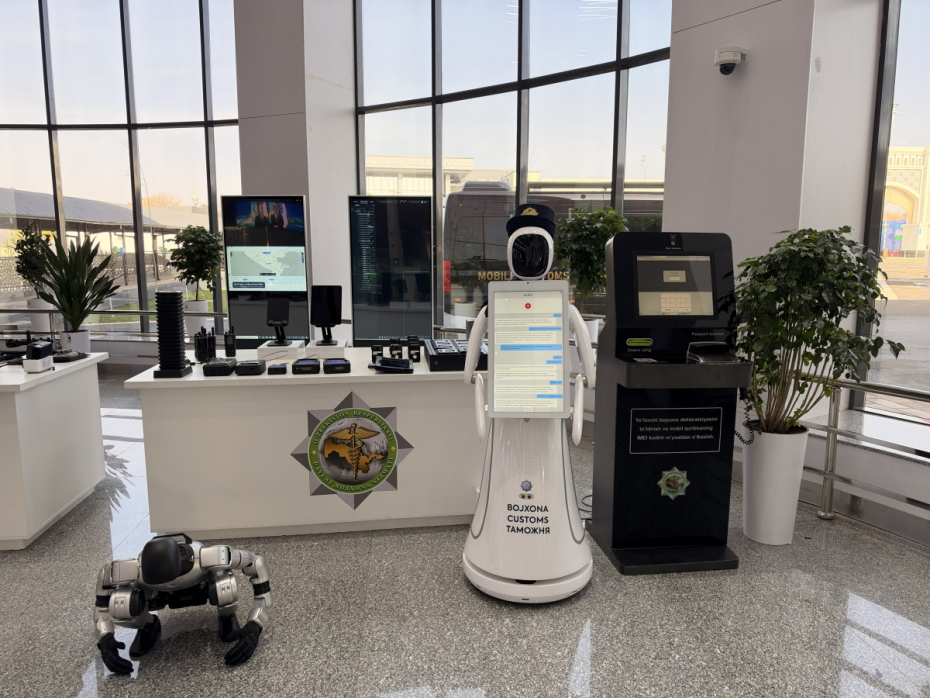
Speaking to AnewZ, Husan Tangriyev, press secretary of the Customs Committee, said robots on the Uzbek side would guide travellers and answer their questions. He added that freight transport is not permitted through the checkpoint.
Tourism and trade in focus
Officials expect the new post to ease pressure on the Navoi checkpoint and to support tourism. In the first ten months of this year, more than 2.7 million tourists arrived in Uzbekistan from Kazakhstan. The average tourist spends around $250–$300, so the Customs Committee says this flow alone could bring hundreds of millions of dollars into the economy.
Trade between the two countries is also growing. It rose from $3.7 billion in 2021 to $4.6 billion in 2025. In the first ten months of 2026, it reached 4.4 billion, almost 20 per cent more than in the same period last year. The two presidents have set a target of $10 billion by 2030.
Read more:











What is your opinion on this topic?
Leave the first comment