The U.S. and France are divided over how to secure southern Lebanon after the mandate of the United Nations Interim Force in Lebanon (UNIFIL) expires on 31 December 2026, with no agreement on a replacement.
France favours a large multinational force of European troops, while Washington supports a smaller monitoring mission that would give the Lebanese army greater responsibility for security.
The disagreement comes amid continued Israeli military activity in southern Lebanon. In October, UNIFIL recorded around 2,840 Israeli artillery rounds, 870 airspace violations and 90 airstrikes.
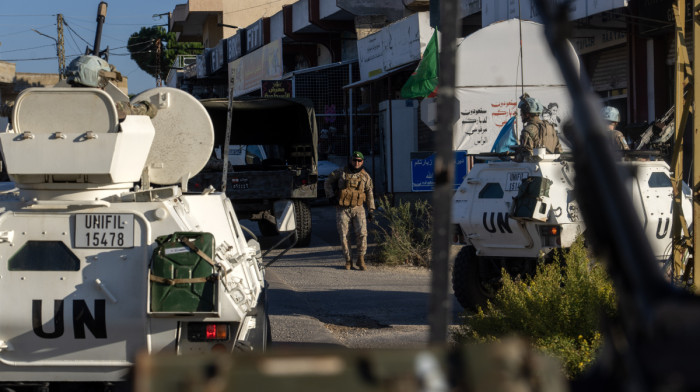
UNIFIL said it would begin withdrawing on 1 January 2027, after completing its mandate under UN Security Council Resolution 2790. The withdrawal is expected to continue throughout the year.
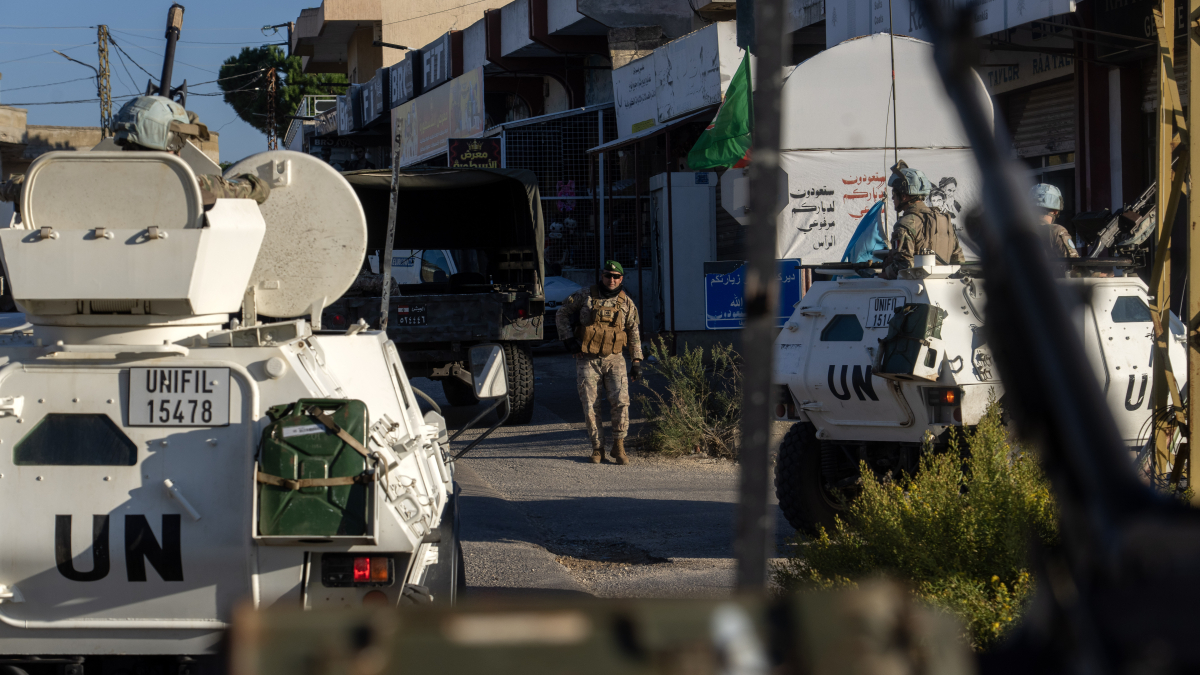
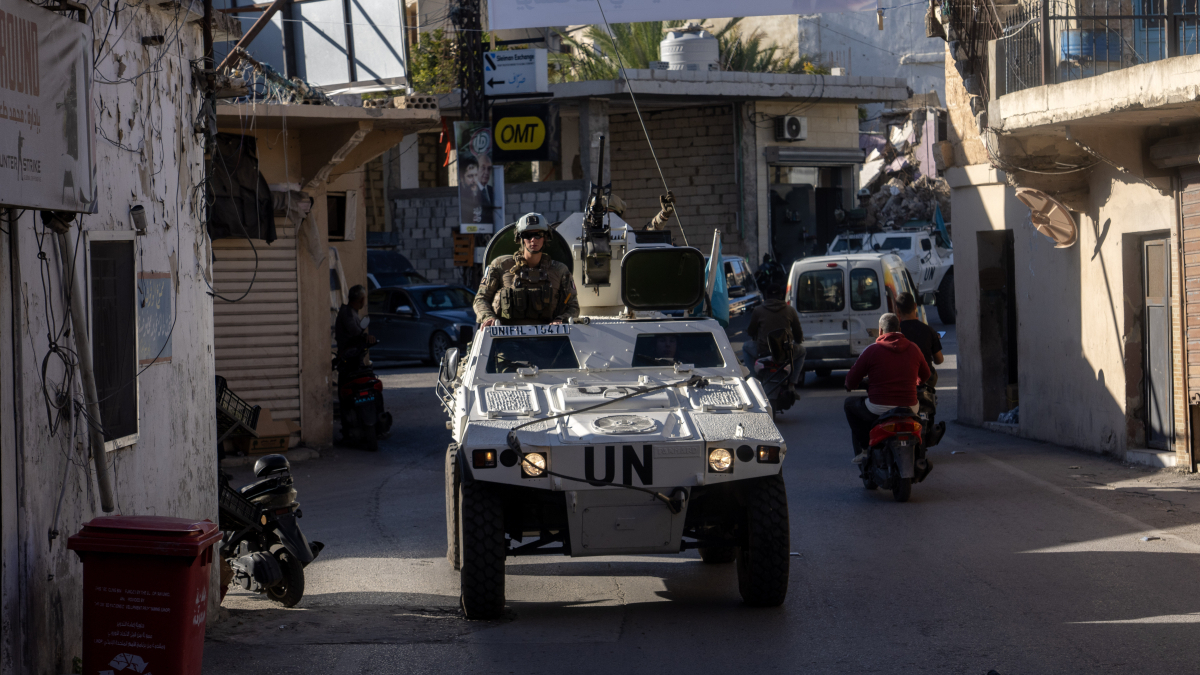
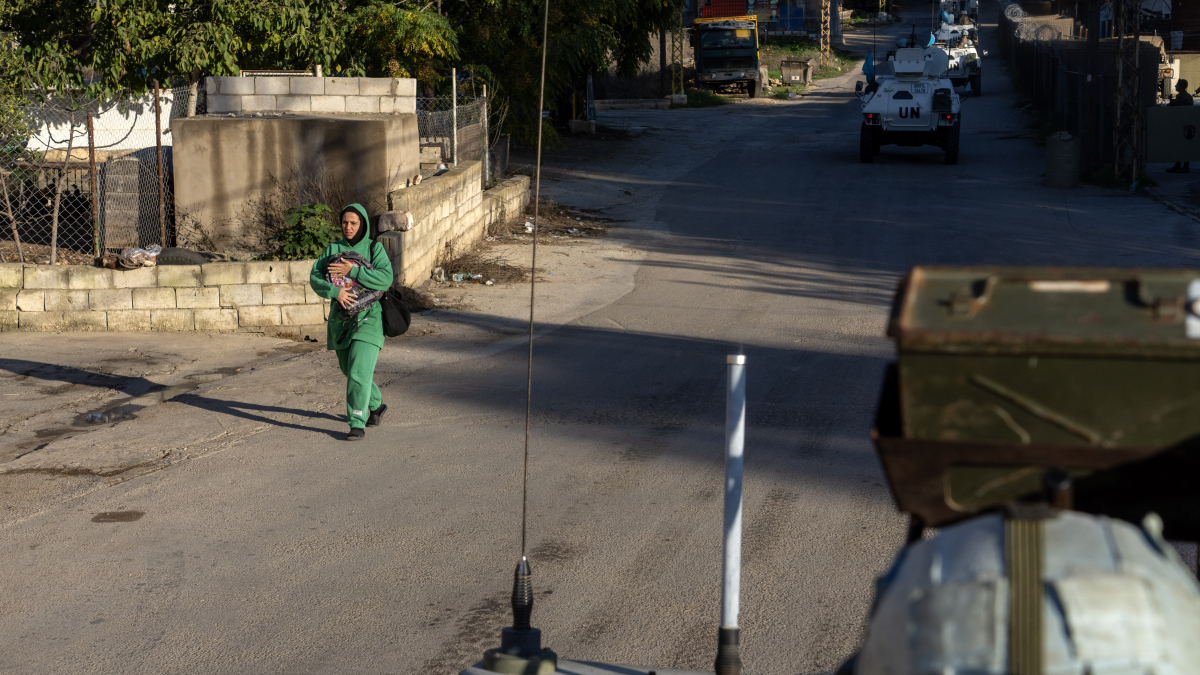
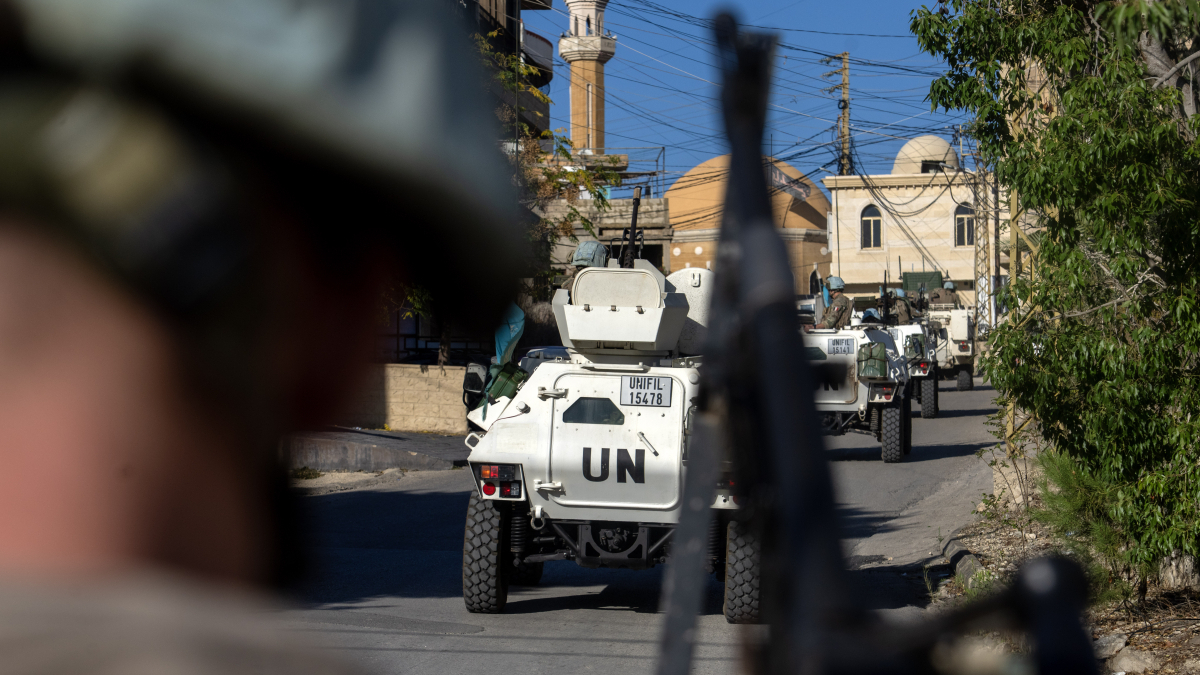
Peacekeepers from 45 countries will continue monitoring the Blue Line until 31 December, reporting violations and maintaining communication with Israel and Lebanon. They also support the Lebanese army and humanitarian operations.
Washington and Paris divided over replacement
During a visit to Beirut on 15 November, U.S. Ambassador to the UN Mike Waltz met Lebanese President Joseph Aoun, Prime Minister Nawaf Salam and Parliament Speaker Nabih Berri to discuss security arrangements following UNIFIL's departure.
Waltz said UN Security Council Resolution 1701 must be revised as Washington works on a new framework involving different responsibilities and a smaller international presence.
France, meanwhile, presented its proposal to the Security Council during a closed-door meeting on 19 November. Paris is considering a multinational force comprising mainly French, Italian and Spanish troops to work alongside the Lebanese army, supported by a mechanism to take over some of UNIFIL's monitoring duties.
The main points of disagreement are the size and mandate of the replacement force and whether it would operate directly under UN authority.
According to Erem News, the U.S. and France are considering retaining around 3,000 international troops in southern Lebanon for several months after UNIFIL's mandate expires. Some existing peacekeepers could remain temporarily while a longer-term arrangement is negotiated.
The proposal has yet to receive formal approval, and France has not confirmed whether it will deploy additional troops.
Lebanon continues to favour extending UNIFIL's mandate. Failing that, Beirut wants any replacement mission to have Security Council backing.
Prime Minister Nawaf Salam said any future international assistance should focus on monitoring, reporting and coordination while supporting the Lebanese army's deployment across the country.
Israel and the U.S. have questioned the effectiveness of the current peacekeeping mission, arguing that it has failed to prevent Hezbollah from establishing military infrastructure in southern Lebanon.
Pressure mounts on Lebanese army
Shortages of equipment, funding and personnel could hamper the Lebanese army's ability to secure the south following UNIFIL's withdrawal.
Under Security Council Resolution 1701, the area between the Blue Line and the Litani River must be free of armed personnel and weapons other than those belonging to the Lebanese state and UNIFIL.
The Lebanese government has pledged to establish control and dismantle unauthorised military infrastructure, but the issue of Hezbollah's weapons remains unresolved.
Israel maintains a military presence at five locations inside Lebanon. Beirut has called for Israeli troops to withdraw, with the dispute complicating the implementation of U.S.-brokered security arrangements between the two countries.
The European Union is providing a three-year assistance programme to strengthen Lebanon's military and police through training, equipment and border security support. Germany is also contributing police officers, customs officials and a small military contingent.
However, the EU programme is not intended to replace UNIFIL's monitoring role along the Blue Line.
Could the withdrawal lead to renewed fighting?
Without an agreed replacement, UNIFIL's withdrawal could leave a gap in international monitoring, making it harder to document military violations and maintain communication between Israel and Lebanon.
A smaller monitoring mission would depend on agreement over its mandate and cooperation between the two countries. A European-led multinational force would require Security Council approval and Lebanon's consent, with its relationship with the Lebanese army yet to be defined.
Continued Israeli military operations, the unresolved issue of Hezbollah's weapons and potential rocket attacks could increase the risk of renewed fighting. Without independent monitoring, establishing the circumstances surrounding incidents could become more difficult, raising the risk of retaliatory attacks.
Wider regional tensions involving the U.S., Israel and Iran could also influence Hezbollah's military decisions.
Lebanese officials say Israeli military operations and the continued presence of Israeli troops in the south are preventing the full deployment of Lebanese forces and delaying the return of displaced residents.
During his meeting with Waltz, Berri identified Israeli attacks and the continued Israeli military presence on Lebanese territory as major obstacles to implementing security arrangements.
With only weeks until UNIFIL's mandate expires, the Security Council faces a choice between backing a smaller monitoring mission, authorising a multinational force or leaving border security largely in the hands of the Lebanese government.













What is your opinion on this topic?
Leave the first comment