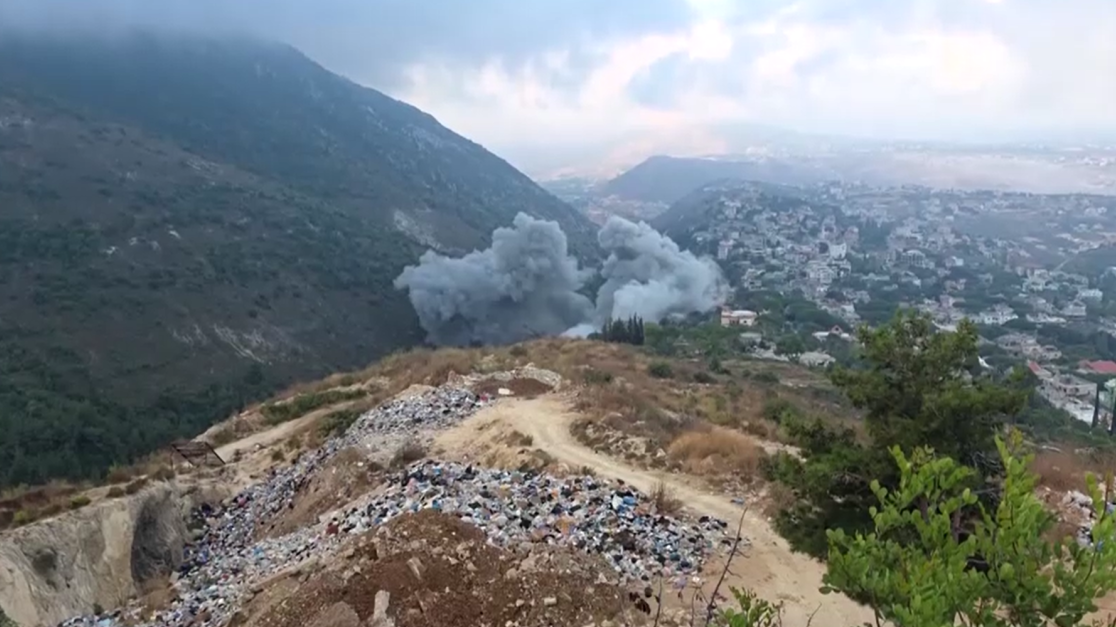
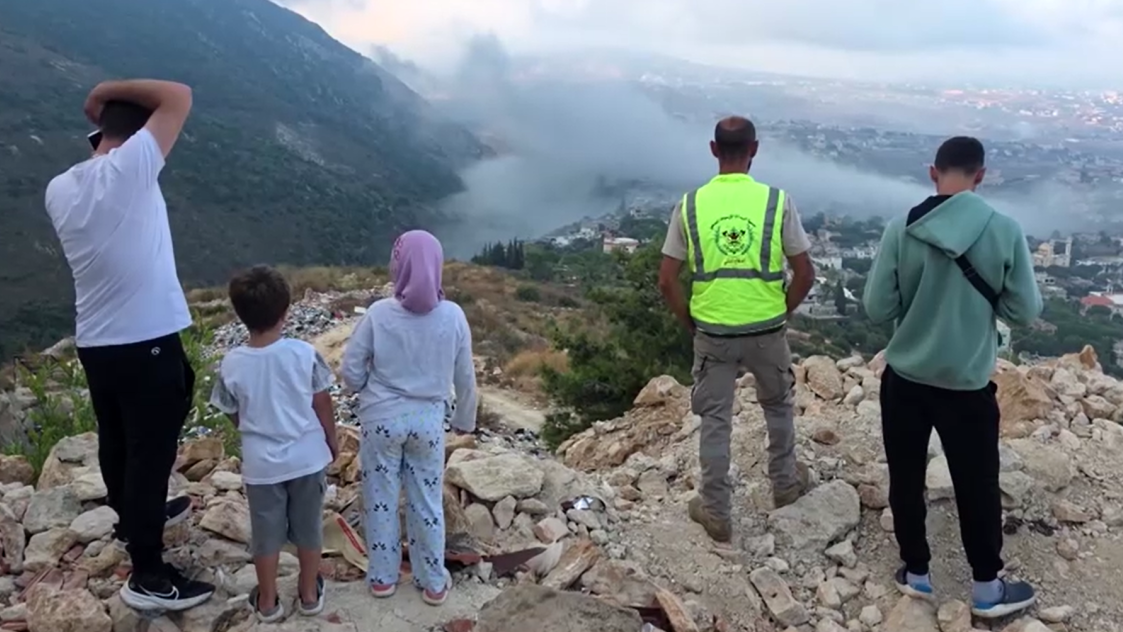
Israeli strikes killed four people, including two women, in southern Lebanon on Sunday, the Lebanese Health Ministry said, as Israel said it was retaliating for two Hezbollah drone attacks targeting its soldiers.
The ministry said two men were killed in a town on the edge of the security zone established by Israeli forces, while two women were killed in Arab Salim, further north.
Israel said the strikes followed two Hezbollah drone attacks targeting Israeli soldiers in an area where its forces have established a security zone.
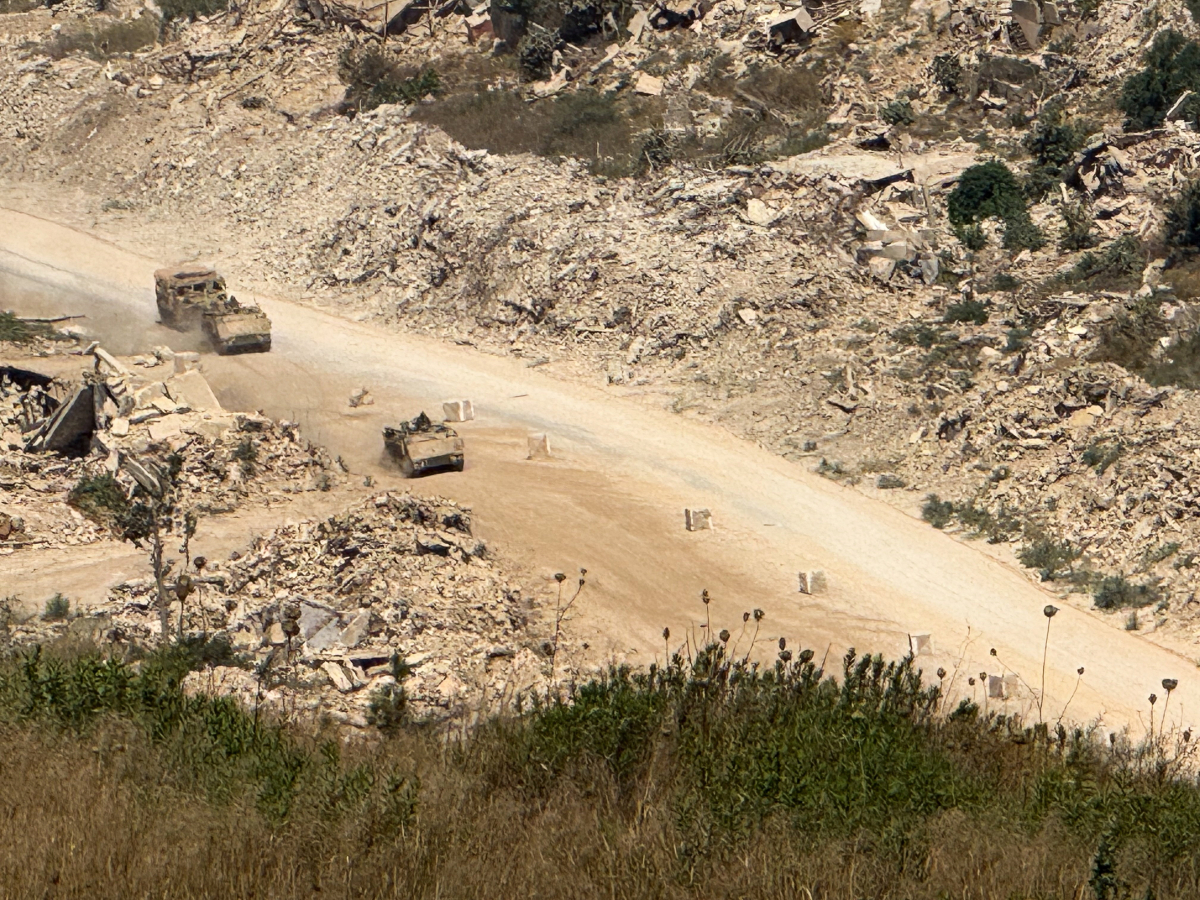
The latest escalation comes despite a U.S.-brokered ceasefire with Hezbollah agreed in June. Israeli forces continue to operate inside southern Lebanon in what Israel has declared a security zone.
The strikes also come as Israel considers a new plan to reshape its military presence in southern Lebanon, according to Israeli public broadcaster KAN.
The proposal could see the Israeli military establish a new security zone stretching between two and four kilometres into Lebanese territory while reducing the number of troops deployed there.
Israel warns residents before strike
The Israeli military issued an evacuation warning to residents near a building in the southern town of Arab Salim, saying Hezbollah was using the site and would be targeted.
Israel said on Friday, 4 September, that it had also struck weapons storage facilities in southern Lebanon, accusing Hezbollah of preparing the sites for military use.
The latest violence comes despite the U.S.-brokered ceasefire, which followed diplomatic efforts aimed at reducing hostilities and securing an Israeli withdrawal from Lebanese territory.
Proposed 'grey line' plan
KAN reported that Israeli military planners are considering what they call the “grey line” as a framework for redeploying forces in southern Lebanon.
Under the proposal, Israel would establish military positions along a new zone near the border that could also serve as launching points for operations further inside Lebanon.
The plan reportedly follows Israeli efforts to destroy tunnels in the Ali al-Taher heights in Nabatieh province. Israel said last week that it had achieved “operational control” over the strategic heights.
Israel's political leadership has not yet approved the proposed redeployment, with the plan expected to be discussed before any final decision is made.
Defence Minister Israel Katz said on Friday that Israeli forces had consolidated control over what he described as a “security zone” in southern Lebanon.
Deepest Israeli advance since 2000
Israel continues to hold territory in southern Lebanon, including areas where its forces have maintained a presence for decades and others seized during the 2023-24 war.
During the current offensive, Israeli forces have advanced more than 10 kilometres into Lebanese territory - their deepest incursion since Israel withdrew from most of southern Lebanon in 2000.
Israel describes its current deployment area as the “yellow line”, referring to territory where its forces maintain military positions and operational control. The proposed “grey line” would provide a new framework for redeployment while allowing Israel to retain the ability to conduct operations further inside Lebanon.
The developments have raised fresh concerns that the confrontation could become more entrenched despite diplomatic efforts to secure an Israeli withdrawal.
Heavy toll on Lebanon
The escalation has come at a devastating cost for civilians. Lebanese authorities say Israeli attacks since March have killed more than 4,000 people, injured more than 12,000 and displaced more than one million.
Continuing strikes and Israeli military operations in the south have fuelled fears that the conflict could develop into another prolonged war.
Read more:












What is your opinion on this topic?
Leave the first comment