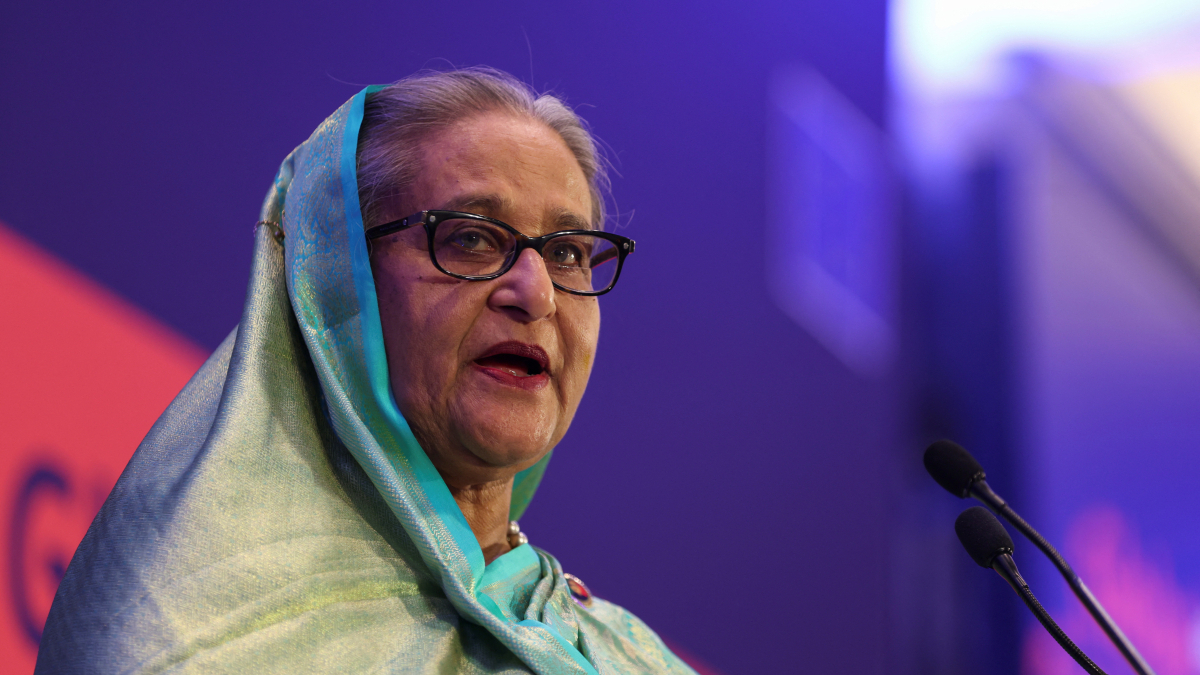
A passport application might seem an ordinary administrative request. For Sheikh Hasina, Bangladesh's ousted prime minister, it could mark the beginning of one of the country's most consequential political homecomings.
Hasina's lawyers formally requested a new Bangladeshi passport and national identity card from the country's diplomatic mission in New Delhi on Monday, 9 November, according to a letter seen by Reuters. It is her clearest step towards returning from exile in India, where she has lived since protesters forced her from power in August 2024.
Her intended return in December could bring her face to face with a death sentence, revive political divisions and test Bangladesh's strained relationship with India. But the timing remains uncertain, with her aides saying a date will be announced only after the necessary formalities are completed.
Why does Hasina need a new passport?
Hasina's lawyers at London-based Matrix Chambers wrote to Preeti Rahman, Bangladesh's acting high commissioner in New Delhi, requesting replacement travel and identity documents.
The letter cited the reported revocation of Hasina's existing passport and National Identity Card by Bangladesh's former interim authorities.
Her lawyers argued that, as a Bangladeshi national, she was entitled to have her applications considered under domestic law and international human rights obligations.
They requested that the documents be issued without delay.
The application does not mean Bangladesh has approved her return or issued replacement documents.
What happened when Hasina lost power?
Hasina's departure on 5 August 2024 ended 15 consecutive years in office and a political career spanning two decades as prime minister across multiple terms.
The crisis began with student protests against government job quotas benefiting descendants of veterans of Bangladesh's 1971 independence war.
The demonstrations quickly became a broader challenge to Hasina's government after security forces launched a violent crackdown.
According to an analysis published by the Council on Foreign Relations in August 2024, mass arrests, reported torture and killings intensified public anger, turning demands for quota reform into calls for Hasina's resignation.
As protesters advanced towards her official residence in Dhaka, Hasina resigned and fled to India.
Crowds celebrated her departure, while the military announced plans for a transitional administration.
The uprising exposed years of accumulated grievances over political repression, shrinking civic freedoms and economic frustration.
Why does she face a death sentence?
In November 2025, Bangladesh's war-crimes court sentenced Hasina to death in absentia over her role in the deadly suppression of the 2024 student-led uprising.
The court found her responsible for ordering the crackdown.
Hasina has denied the charges.
She has told Reuters exclusively that she intends to return to Bangladesh and surrender before a court, making the legal proceedings central to her proposed homecoming.
However, her application for identity documents does not resolve questions about her detention, the enforcement of the sentence or the legal process she would face upon arrival.
Those matters remain unresolved in the information available.
Does Hasina still have political support?
Bangladesh is now governed by Prime Minister Tarique Rahman's Bangladesh Nationalist Party (BNP), following elections in February 2026. Opposition parties have gained greater freedom, although concerns remain over corruption, accountability and stalled reforms, according to a UK government fact-finding report published in October.
Hasina's Awami League remains banned, with public hostility towards the party persisting over its record in power and the deadly 2024 crackdown. The report found that some former members have secured bail or joined other political parties, but openly supporting the Awami League can still trigger harassment or violence.
The findings suggest Hasina faces significant obstacles to rebuilding her political influence, despite signs that some former party members are returning to public life.
How could Hasina's return affect Bangladesh–India relations?
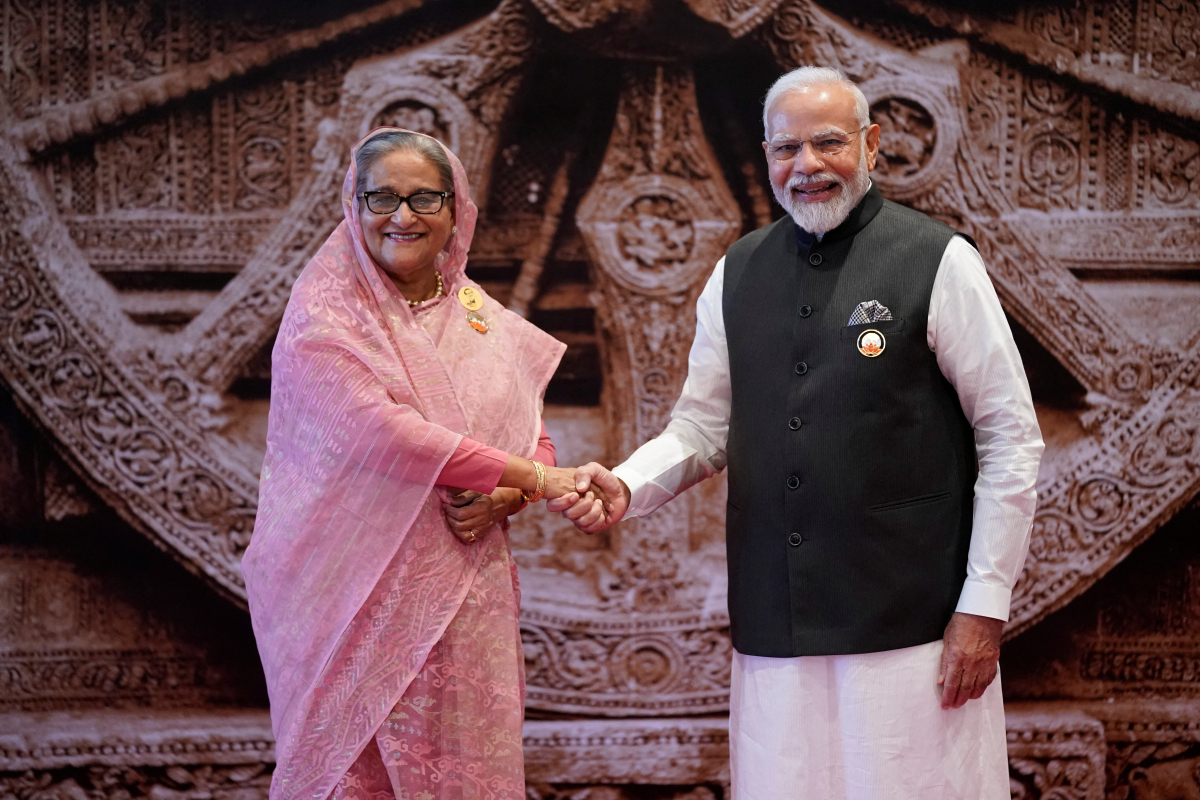
India has sheltered Hasina since her removal from power, a decision that strained relations between New Delhi and Dhaka.
The two countries share a long border and significant economic and security interests, making the dispute over Hasina more than a domestic Bangladeshi matter.
Her continued presence in India has complicated relations with Bangladesh's post-Hasina authorities.
A return could remove one source of diplomatic friction, although it would not automatically resolve broader disagreements.
For New Delhi, the question is how to manage relations with Bangladesh while Hasina's legal and political future remains unsettled.
Will Hasina return to Bangladesh in December?
Hasina's lawyers are awaiting action on the passport and identity-card applications.
Her aides say the date of her proposed December return will be confirmed once the formalities are completed.
There is no confirmation that the documents will be issued or that she will travel as planned.
For Bangladesh, the stakes extend far beyond a passport. Hasina's return would bring a former prime minister, a contested political legacy and an unresolved struggle over accountability back into the same country.










What is your opinion on this topic?
Leave the first comment