Iran's Supreme Leader Mojtaba Khamenei warns 'foreigners' as Iran enters new phase in Gulf
Iran’s Supreme Leader Mojtaba Khamenei warned “foreigners who commit evil” have no place in the Gulf, outlining a “new phas...
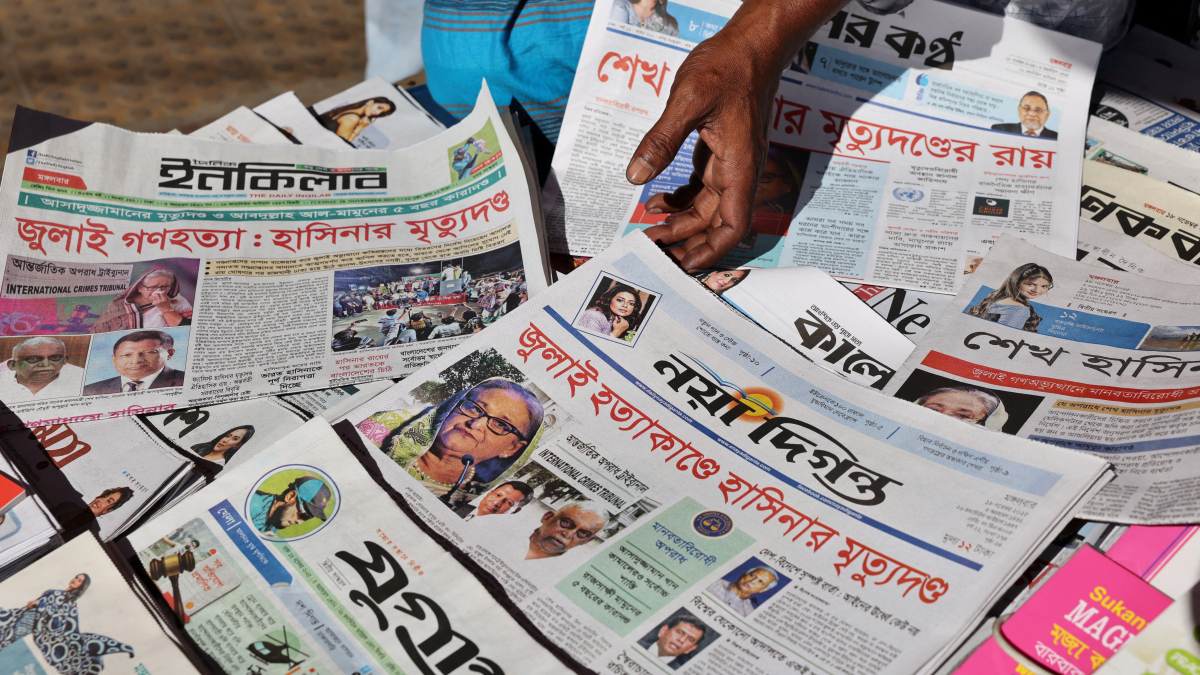
Thousands in Bangladesh flocked to hear the plans of the students who toppled long-time leader Sheikh Hasina when they launched a new political party this year, but now it finds itself struggling to translate the street power into votes.
Fighting to deliver on its promise to free the nation from decades of nepotism and two-party dominance, the student-led National Citizen Party (NCP) faces entrenched rivals with deep networks and resources as polls approach in February.
"Our organisation is weak because we haven’t had enough time to build it," said its chief Nahid Islam, prominent in last year’s deadly anti-government protests.
Opinion polls show the NCP, which aims to contest all 300 seats, in third place, with support of just 6%, far behind the Bangladesh Nationalist Party (BNP) of former Prime Minister Khaleda Zia, which leads with 30%.
Even the hardline Jamaat-e-Islami will do better than the NCP, coming in second with 26%, a December poll by a U.S.-based non-profit, the International Republican Institute, showed.
Another sign of growing disenchantment was the party's failure to win a single seat in September's student body election at Dhaka University, the epicentre of the uprising that forced Hasina to flee to New Delhi.
Hampered by a skeletal structure, scarce funds, and a stance on key issues such as rights for women and minorities widely seen as unclear, the NCP is holding talks with other parties, including the BNP and Jamaat-e-Islami, leaders say.
"If we stand independently, there is a chance we may not win even one seat," a senior NCP leader told Reuters on condition of anonymity, acknowledging the risks.
On the other hand, say analysts, an alliance risks diluting the party’s "revolutionary" image.

A report published by Minval Politika has raised new questions over alleged efforts by Luis Moreno Ocampo to shape international pressure against Azerbaijan and influence political dynamics around Armenia.
A Pentagon official provided the first official estimate of the cost of the U.S. war in Iran on Wednesday (29 April), telling lawmakers that $25 billion had so far been spent on the conflict, most of it on munitions. Earlier, Donald Trump said that the U.S. had "militarily defeated" Tehran.
Shares in Meta Platforms fell sharply in extended trading on Wednesday after the tech giant raised its annual capital spending forecast by billions of dollars.
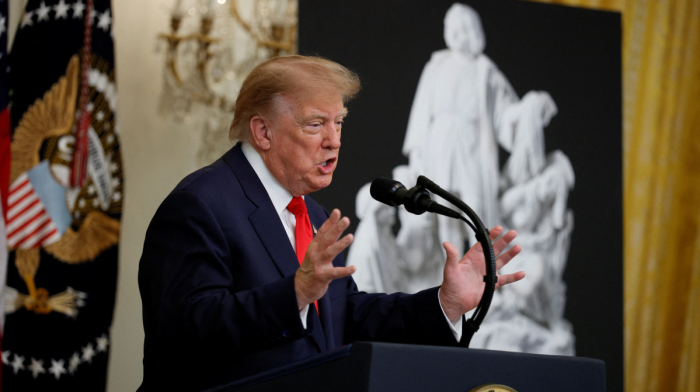
Iran’s Supreme Leader Mojtaba Khamenei warned “foreigners who commit evil” have no place in the Gulf, outlining a “new phase” for the Strait of Hormuz, while a senior adviser said U.S. blockade efforts would fail and could trigger confrontation.
The decision by the United Arab Emirates to leave OPEC+ on 1 May has put renewed focus on one of the most influential groups in global energy - and how its decisions can shape oil prices worldwide.
China has passed a new law aimed at ensuring its most vulnerable citizens are not left without support.
China has warned the U.S. that Taiwan will dominate next month’s summit in Beijing, raising pressure on Washington and concern in Taipei over any shift in long-standing American policy.
Shares in Meta Platforms fell sharply in extended trading on Wednesday after the tech giant raised its annual capital spending forecast by billions of dollars.
From Thursday, 1 May, goods from every African country with diplomatic ties to China will be able to enter the Chinese market without paying import duties.
Start your day informed with the AnewZ Morning Brief. Here are the top stories for the 30th of April, covering the latest developments you need to know.
You can download the AnewZ application from Play Store and the App Store.
What is your opinion on this topic?
Leave the first comment