The Bangladesh National Party (BNP) won a decisive two-thirds majority in Friday’s (13 February) general election, a result expected to bring stability after months of turmoil following the ousting of former Prime Minister Sheikh Hasina in a Gen Z-led uprising in 2024.
Latest counts from what has been described as the South Asian nation’s first truly competitive election in years gave the BNP and its allies at least 212 of the 299 seats up for grabs, domestic TV channels reported.
Commenting on the outcome, geopolitical and geoeconomics analyst Umesh Kumar Agarwal described the vote as a turning point.
“Basically, I believe that the Bangladeshi citizens have finally woken up and they have got the mandate that they have elected Tariq Rahman as the next Prime Minister,” he said.
The opposition Jamaat-e-Islami and its allies won 70 seats in the Jatiya Sangsad, or House of the Nation.
“This shows that the Bangladeshi citizens yearn for democracy. They want to have a more inclusive government. This is a victory of democracy,” Agarwal said.
The BNP, which returns to power after 20 years, thanked the people soon after securing a majority in the overnight vote count and called for special prayers on Friday for the nation and its people.
"Despite winning ... by a large margin of votes, no celebratory procession or rally shall be organised," the party said in a statement calling for prayers nationwide.
Nobel peace laureate Muhammad Yunus, 85, held office as interim head after Hasina fled to neighbouring India in August 2024.
Now in exile in New Delhi, Hasina long dominated Bangladesh politics along with Rahman’s mother, Khaleda Zia. His father was a leading independence figure who ruled from 1977 to 1981 before he was assassinated.
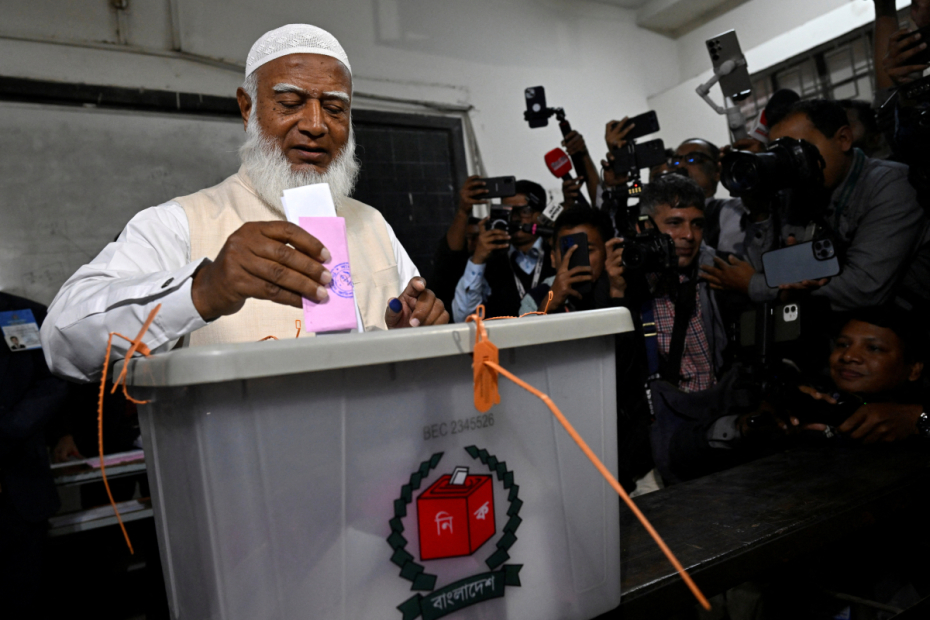
Manual counting of paper ballots will run until at least noon on Friday, officials said, since starting on Thursday immediately after polls closed.
The BNP win with more than 200 seats is one of its biggest, surpassing its 2001 victory with 193, although Hasina's Awami League, which ruled for 15 years and was barred from contesting this time, secured a bigger tally of 230 in 2008.
But bigger tallies for both parties in elections of other years were widely seen as one-sided, boycotted or contentious.
A clear outcome had been seen as key to restoring stability in the Muslim-majority nation after months of deadly unrest disrupted daily life and key industries such as garments.
The analyst warned that economic recovery would be the new government’s immediate test.
“Right now, the economic situation in Bangladesh is very precarious. Textile exports, which constitute around 80% of the exports, are at risk. The banking system is on the verge of collapse,” Agarwal said.
“Bangladesh has been in anarchy for the past 18 months. And right now, what they need is speedy implementation of law and order. They need to kickstart their economic activities very well,” he added.
Opposition reaction
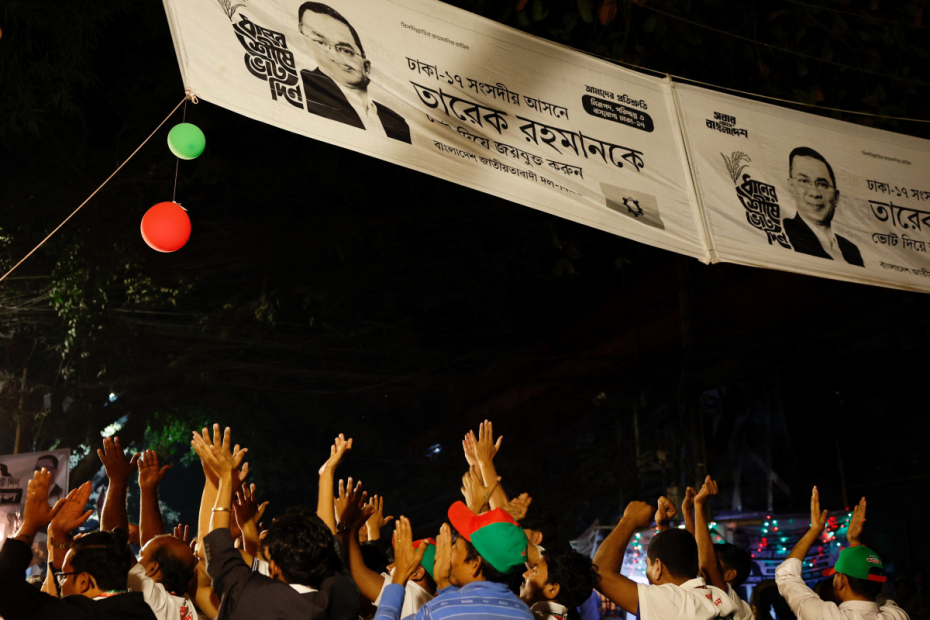
Night-time crowds gathered outside BNP headquarters in Dhaka as the scale of the victory became clear.
Jamaat-e-Islami’s leader, Shafiqur Rahman, conceded defeat and pledged constructive opposition.
"We will do positive politics," he told reporters.
Meanwhile, the National Citizen Party (NCP), led by youth activists involved in the 2024 uprising and aligned with Jamaat, won just five of the 30 seats it contested.
Turnout was expected to exceed the 42% recorded in the 2024 vote, with media estimates suggesting participation of more than 60% of registered voters.
More than 2,000 candidates from at least 50 parties were on the ballot. Voting in one constituency was postponed after a candidate died.
Referendum on constitutional reforms
Alongside the election, voters also took part in a referendum on constitutional reforms.
Broadcaster Jamuna TV reported that more than 2 million voters chose "Yes", while more than 850,000 voted "No", although no official result had been announced.
The proposed reforms include two-term limits for prime ministers, stronger judicial independence, increased representation for women, provisions for neutral interim governments during election periods and the creation of a second chamber in the 300-seat parliament.
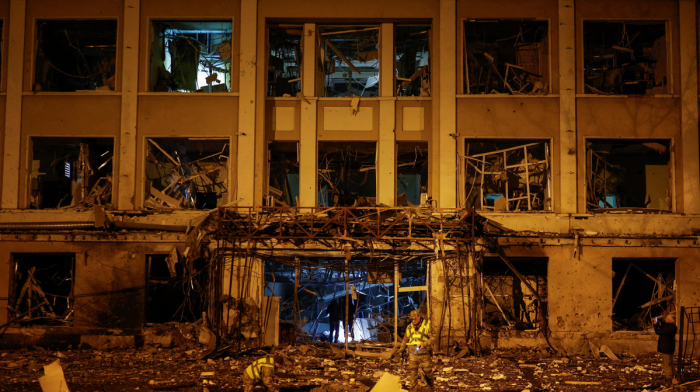
U.S. President Donald Trump has criticised Ukrainian President Volodymyr Zelenskyy for continuing to target Russia's energy infrastructure, while Russian strikes on Kyiv overnight killed at least one person and damaged a metro station.
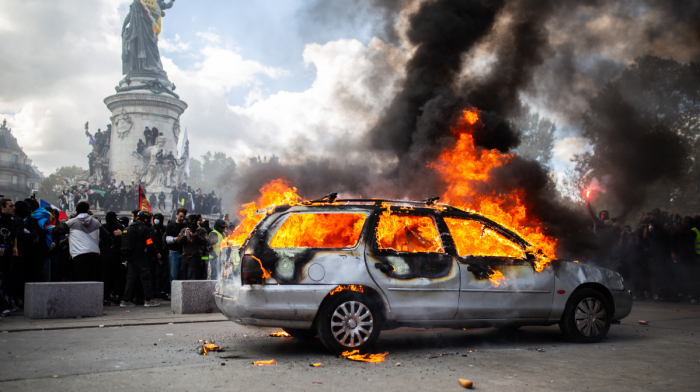
What started out as planned protests against the cost of living, declining public services and education funding in France, quickly devolved into violent riots across the country on Saturday.
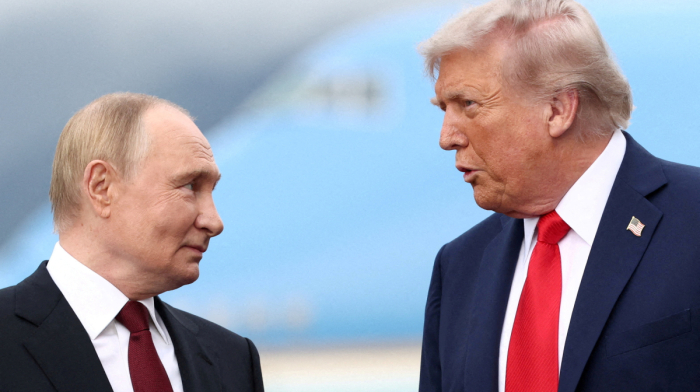
The day after waiving sanctions and tariffs related to Russian exports, U.S. President Donald Trump said on Saturday he has yet to announce a final decision on the matter as Secretary of State Marco Rubio said officials want more time to evaluate the situation.
A Saudi AH-6i helicopter crashed in the Najran region of Saudi Arabia due to a technical malfunction, killing its two crew members, the Saudi-led coalition's spokesman Brigadier General Turki al-Maliki said in a statement on Sunday.
An oil tanker caught fire after striking a naval mine in the southern part of the Strait of Hormuz, Iran’s Islamic Revolutionary Guard Corps (IRGC) Navy said late Sunday.
Chinese Premier Li Qiang arrived in Tajikistan on Sunday for an official visit and a major regional summit, with security, trade and transport links high on the agenda as Beijing strengthens its ties with Central Asia.
The U.S. and five Central Asian nations have held high-level talks in Samarkand, focusing on trade, investment and regional security as Washington seeks to strengthen its presence in the strategically important region.
U.S. President Donald Trump has criticised Ukrainian President Volodymyr Zelenskyy for continuing to target Russia's energy infrastructure, while Russian strikes on Kyiv overnight killed at least one person and damaged a metro station.
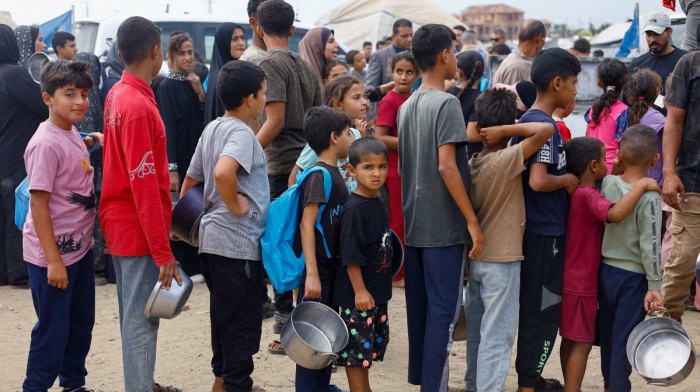
The United Nations World Food Programme (WFP) has cut monthly food assistance to 500,000 people in Gaza amid severe funding shortages, with around two-thirds of the population facing crisis levels of food insecurity or worse.
Strong winds that fuelled a deadly grass fire are what killed four Canadian soldiers and sent 39 people to hospital at a military training area in Alberta, Canada, according to authorities. 19 people remain in critical condition. The winds caused the flames to spread rapidly.
Download the AnewZ app
You can download the AnewZ application from Play Store and the App Store.












What is your opinion on this topic?
Leave the first comment