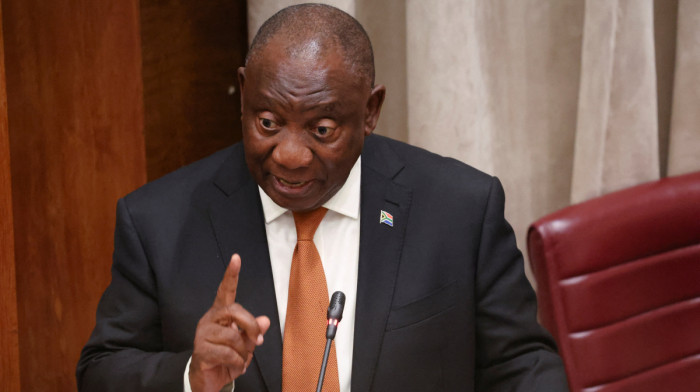
South African court overturns report at centre of Ramaphosa impeachment bid
South African President Cyril Ramaphosa secured a major legal victory on Wednesday (25 November) after a court set aside a parliamentary report tha...
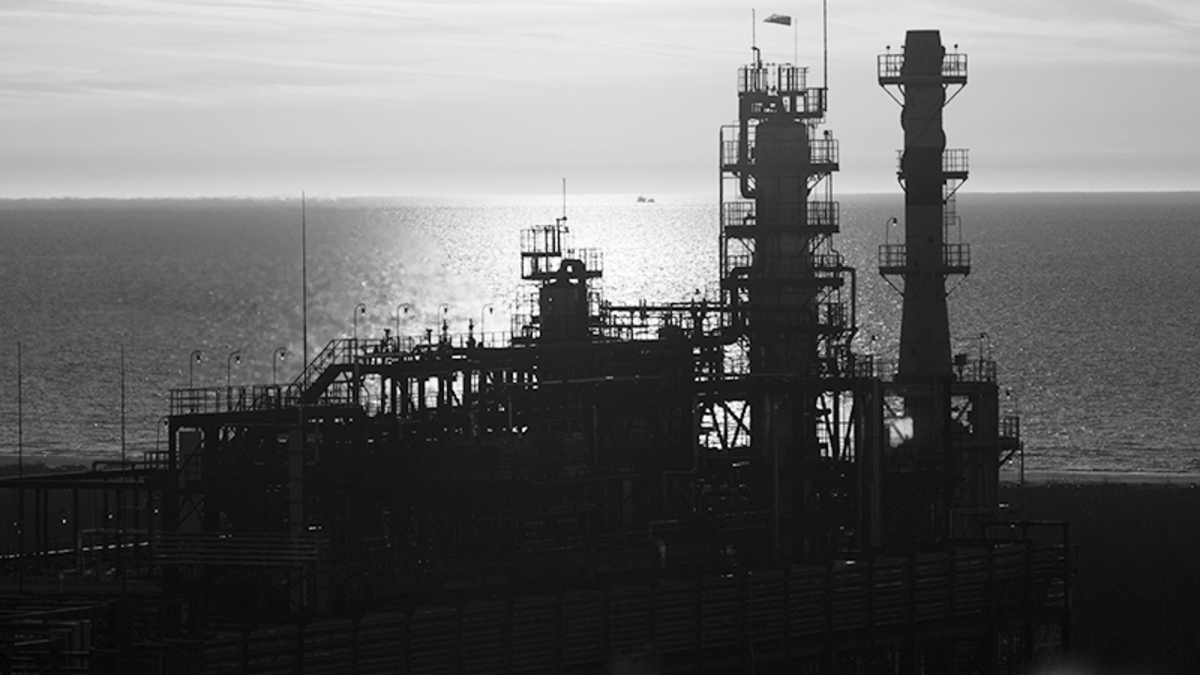
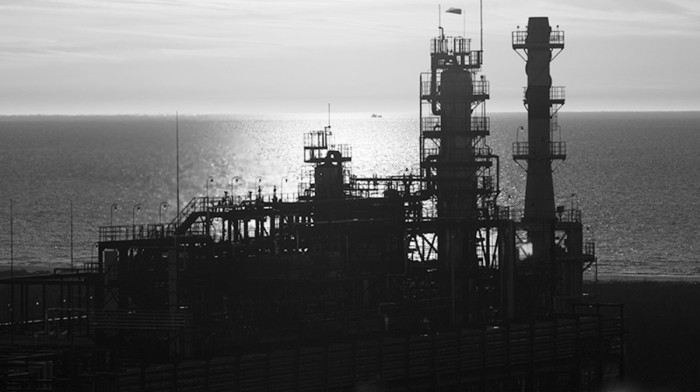
The European Commission has proposed removing Georgia’s Kulevi oil refinery from the EU sanctions list after confirming that the facility had honoured its commitment to stop processing Russian crude oil.
In a written response on 25 November, the Commission said it was seeking to lift the restrictions as part of the EU’s 22nd sanctions package against Russia.
“This shows that our sanctions can successfully change behaviour. We will continue to monitor the situation closely,” the Commission said.
Black Sea Petroleum, which owns and operates the refinery, says the facility has processed only non-Russian crude oil since 23 August.
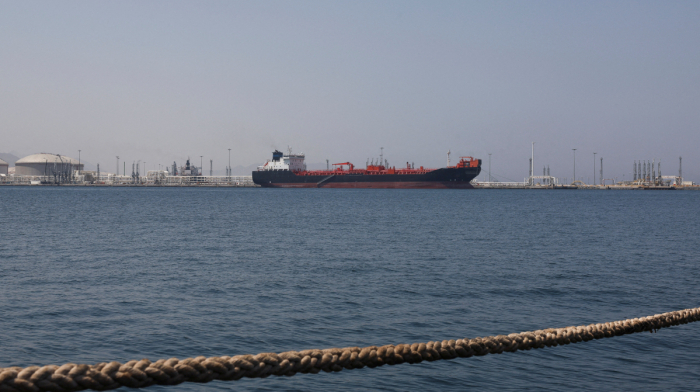
The refinery has since received four shipments of Libyan crude oil. The latest two deliveries, which arrived on 18 and 23 November, totalled approximately 87,500 tonnes.
The deliveries bring the total volume of Libyan crude received over the past three months to around 352,000 tonnes, with another shipment expected in December.
The EU included Kulevi in its 21st sanctions package, adopted in July 2026, over concerns about its processing of Russian crude oil and the potential circumvention of sanctions.
However, the transaction ban was delayed by six months, until 25 January 2027, to allow the refinery to diversify its supplies.
Under the Commission’s latest proposal, the refinery could be removed from the sanctions list before the restrictions take effect. The move still requires approval from EU member states.
Georgian Prime Minister Irakli Kobakhidze welcomed the proposal, describing it as a positive and logical decision. He said it vindicated the government’s position that the original decision to impose sanctions was not based on facts.
The proposal comes as the EU continues its efforts to prevent Russia from circumventing international sanctions through third countries. The Commission will continue to monitor the refinery’s operations even if the restrictions are lifted.
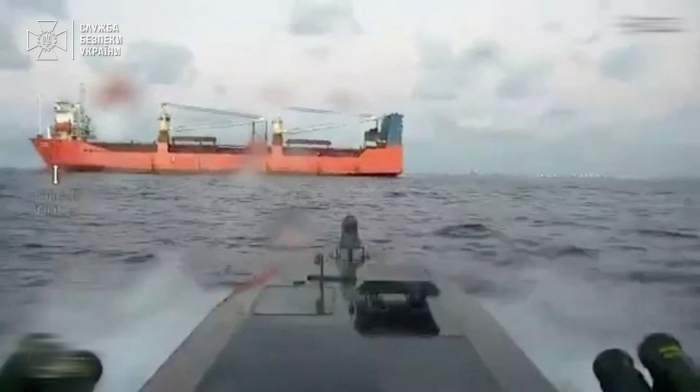
Ukrainian President Volodymyr Zelenskyy has said Ukraine sank the Russian Navy corvette Merkury at a naval base in eastern Libya using maritime drones.
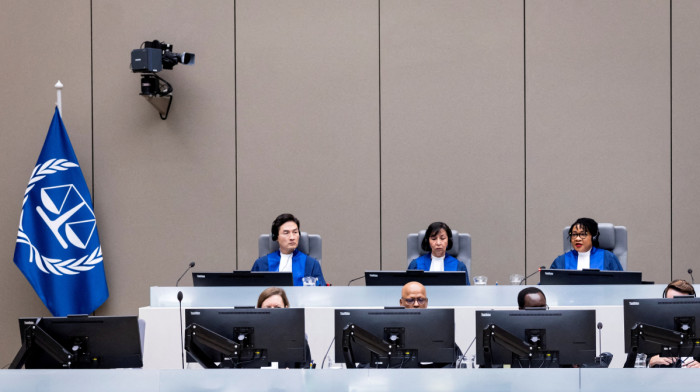
Tajikistan has become the seventh country to begin withdrawing from the International Criminal Court (ICC), the world's permanent war crimes tribunal. The court has 125 member states, seven of which have formally started the withdrawal process. It takes a year for a withdrawal to come into effect.
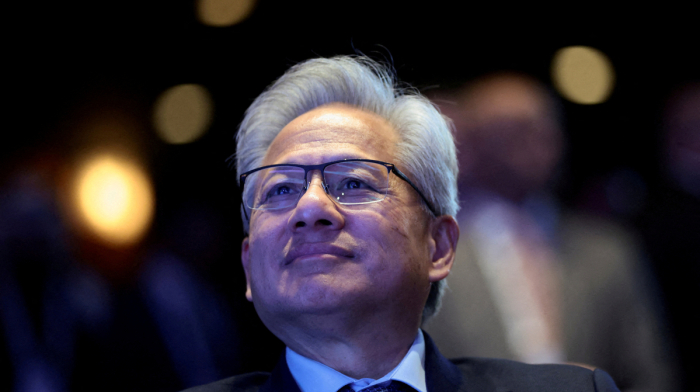
When Nvidia's board reinstated Jensen Huang as chief executive on Sunday, its statement focused almost entirely on one issue: national security. It announced a new export control committee, a compliance chief and an independent investigation into “a foreign intelligence effort” targeting Huang.
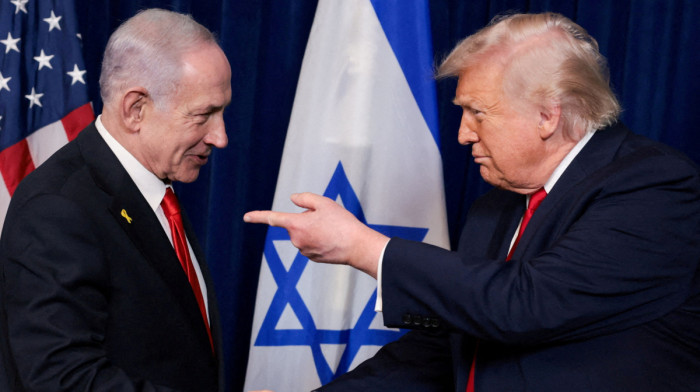
U.S. Ambassador to Israel Mike Huckabee has cast doubt on whether Washington will end its $3.8 billion in annual military aid to Israel by the end of 2026, as President Donald Trump promised earlier this month.
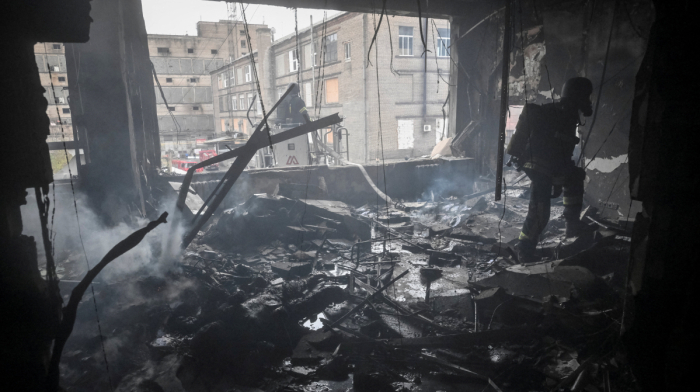
A Russian overnight attack killed two people and injured 40 others, including two children, in Ukraine's southeastern city of Zaporizhzhia, according to regional governor Mykhailo Semikin, as Kyiv warned that Moscow was preparing further strikes.
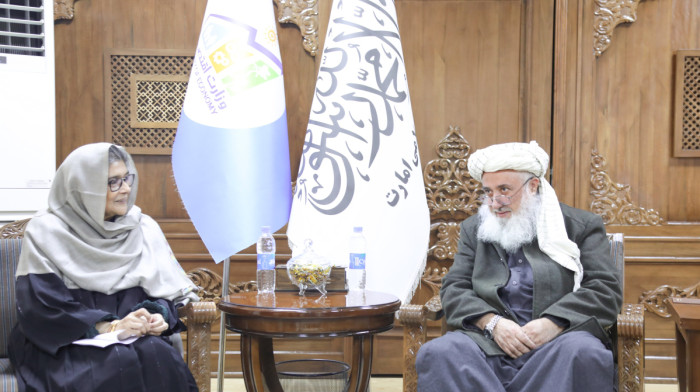
Afghanistan’s Economy Minister Din Mohammad Hanif has called for the lifting of economic sanctions and the release of the country’s frozen foreign exchange reserves during talks with a senior UN official in Kabul on Tuesday.
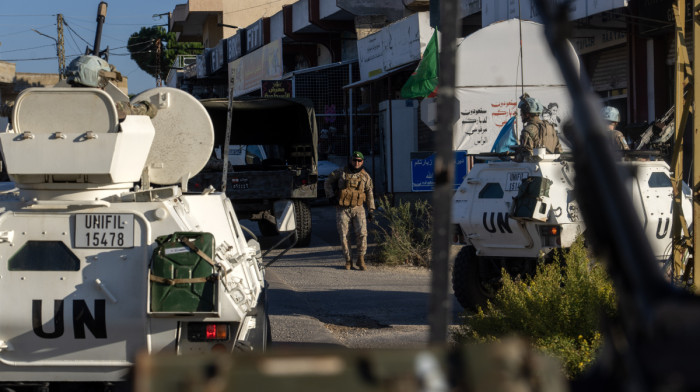
The U.S. and France are divided over how to secure southern Lebanon after the mandate of the United Nations Interim Force in Lebanon (UNIFIL) expires on 31 December 2026, with no agreement on a replacement.
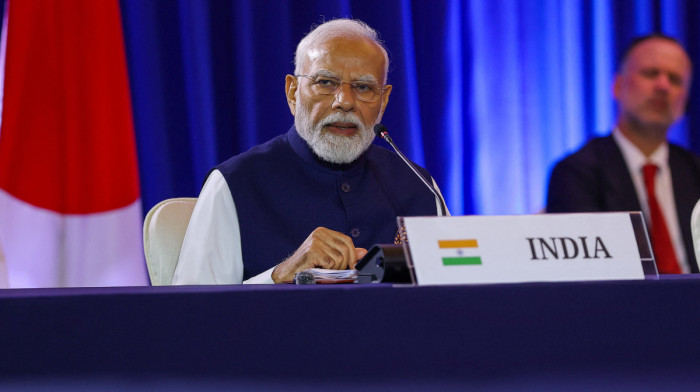
A prominent Indian film workers’ union has urged Prime Minister Narendra Modi’s government to block Netflix from streaming an upcoming Pakistani television series in India, reigniting a row over cross-border entertainment.
The Eurasian Development Bank plans to invest at least $500 million in Uzbekistan in 2027, with total investment potentially reaching $3 billion by 2031. The lender is reviewing 10 potential projects worth more than $1 billion combined.
Kazakhstan’s security service has arrested a board member of the country’s state uranium producer Kazatomprom as part of a widening investigation into a suspected corruption scheme allegedly organised by former executives of Samruk-Kazyna, the country’s sovereign wealth fund.
You can download the AnewZ application from Play Store and the App Store.
What is your opinion on this topic?
Leave the first comment