Georgia is stepping up plans to become an electricity supplier to Europe, with the proposed Black Sea submarine power cable at the heart of its strategy to expand generation capacity and strengthen its role in the regional energy market.
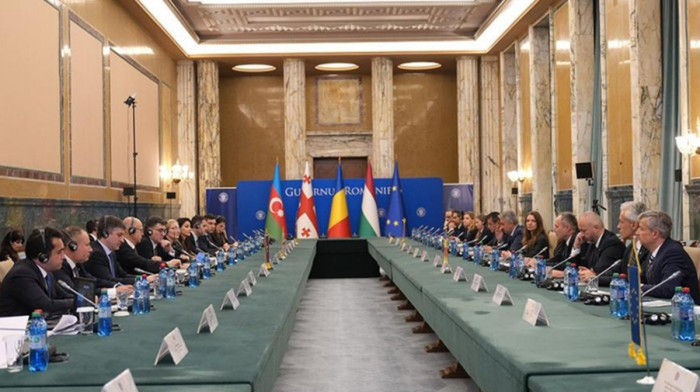
At the 13th Ministerial Meeting of the Green Energy Corridor, held in Romania, Georgia’s Deputy Prime Minister and Economy Minister Mariam Kvrivishvili outlined the country’s ambitions to boost electricity production and modernise its energy infrastructure.
Georgia targets major increase in electricity generation
Kvrivishvili said Georgia aims to increase its installed electricity generation capacity from approximately 5,000 megawatts (MW) to 11,500 MW by 2036 – more than doubling capacity under the government’s 10-year energy development plan.
The expansion is designed to meet domestic electricity demand through local generation while creating surplus capacity for exports.
The Black Sea submarine power cable is expected to directly connect Georgia and Romania, linking the South Caucasus to the European electricity market. The European Commission has already granted the initiative Project of Mutual Interest status, recognising its importance for European energy connectivity.
For Georgia, the initiative is part of a wider effort to diversify its export markets, attract foreign investment and strengthen its position as a regional energy hub.
Strengthening regional energy ties
Kvrivishvili also emphasised the need to upgrade Georgia’s domestic electricity transmission network and strengthen cross-border connections with neighbouring countries. These developments, she said, would help integrate more renewable energy into the national grid and facilitate regional electricity trade.
The minister also held bilateral talks with Romania’s Energy Minister, Dumitru Chisăliță. The discussions focused on economic cooperation between the two countries, progress on the Black Sea cable and the future development of the Green Energy Corridor.
The initiative brings together Georgia, Azerbaijan, Romania and Hungary under a four-country agreement on strategic cooperation in green energy development and transmission.
Financing and infrastructure challenges
However, significant hurdles remain before Georgia can realise its export ambitions. The submarine cable alone is estimated to cost between $3.1 billion and $3.6 billion, while detailed seabed surveys, funding agreements and upgrades to Georgia’s domestic transmission network remain essential before construction can begin.
Another challenge is whether Georgia and its regional partners can generate enough surplus electricity to make exports commercially viable. Domestic demand continues to grow, while Georgia remains reliant on electricity imports.
Although a feasibility study has confirmed the project’s technical viability, its success will depend on securing investment, expanding renewable energy generation and completing the necessary infrastructure.
For Tbilisi, the goal extends beyond increasing electricity production. Georgia is seeking to capitalise on its strategic location between the South Caucasus and Europe, positioning itself as a key link in the regional energy market.
Read more:












What is your opinion on this topic?
Leave the first comment