OIC Labour Centre strengthens labour governance and occupational safety standards
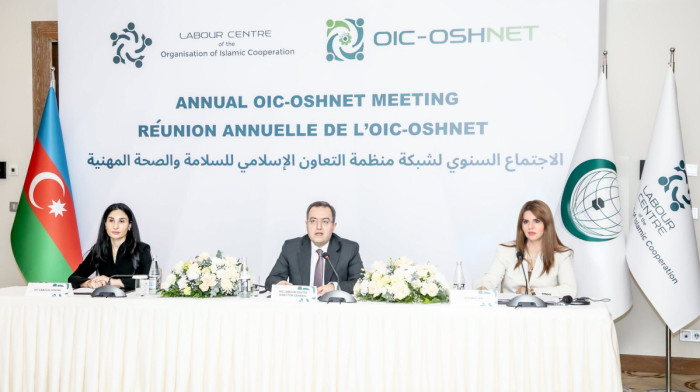
The OIC Labour Centre held two high-level meetings on 23 and 24 November, focusing on strengthening occupational safety and health standards,...
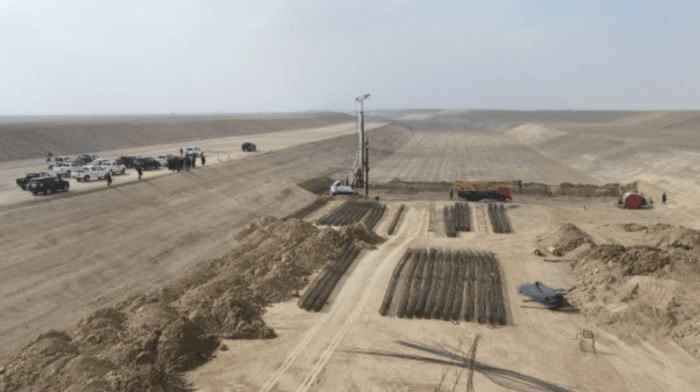
Afghanistan’s National Development Corporation (NDC) said on Wednesday that excavation work on the second phase of the Qosh Tepa Canal was 99 per cent complete, with water from the Amu Darya expected to flow into the canal soon.
The corporation said construction of the canal’s headworks, 47 bridges and water management infrastructure was continuing.
“Construction work on the major national Qosh Tepa Canal has reached its final stage, and water from the Amu Darya is expected to be released into the canal’s headworks in the near future,” the NDC said.
However, it gave no date for the release of water.
The announcement comes a week after Uzbekistan’s Minister of Water Resources, Shavkat Khamraev, said water withdrawals from the canal were not expected to begin before 2030.
The minister acknowledged Afghanistan’s right to use water from the river but stressed the need for an agreement on how much could be diverted.
“Afghanistan also has the right to use water from the Amu Darya,” Khamraev said.
According to the minister, preliminary estimates shared by Afghan officials suggest annual withdrawals of around 10 billion cubic metres in years of abundant water supply and six billion in dry years.
Khamraev previously warned that annual withdrawals of just four billion cubic metres could pose a serious threat to Uzbekistan’s agricultural sector.
AnewZ contacted the NDC spokesperson for clarification on the planned withdrawals, including the volume of water to be diverted, but had not received a response at the time of publication.
Construction of the 285-kilometre canal began in 2022, with its first 108-kilometre section completed in October 2023.
One of Afghanistan’s largest infrastructure projects, the canal is designed to carry around 650 cubic metres of water per second and irrigate approximately 550,000 hectares (5,500 square kilometres) of agricultural land across the northern provinces of Balkh, Jowzjan and Faryab.
Afghan authorities hope the project will boost agricultural production, create jobs and reduce the country’s dependence on food imports.

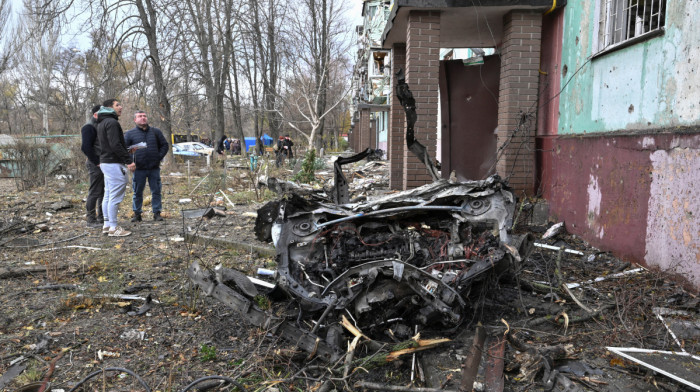
Overnight Russian strikes damaged energy and gas infrastructure across four Ukrainian regions, while Kyiv reported damaging five Russian military aircraft in attacks on the Savasleika airfield, officials said on Wednesday.
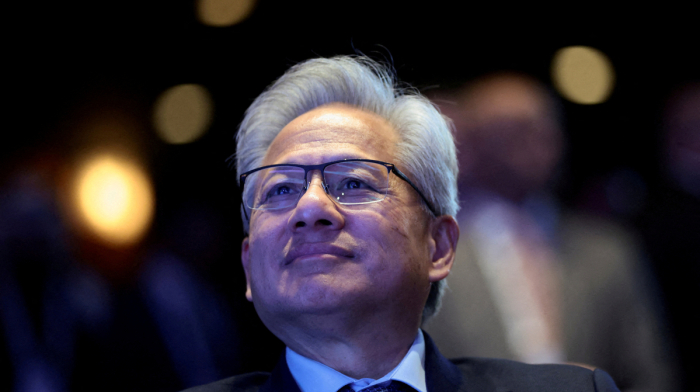
When Nvidia's board reinstated Jensen Huang as chief executive on Sunday, its statement focused almost entirely on one issue: national security. It announced a new export control committee, a compliance chief and an independent investigation into “a foreign intelligence effort” targeting Huang.
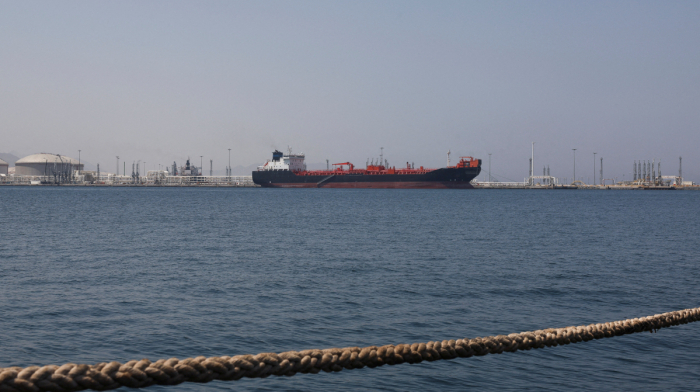
Iran’s Revolutionary Guards say two more oil tankers have struck naval mines and caught fire in the Strait of Hormuz, as Tehran warns Israel and the U.S. of a fierce response to any renewed military action.
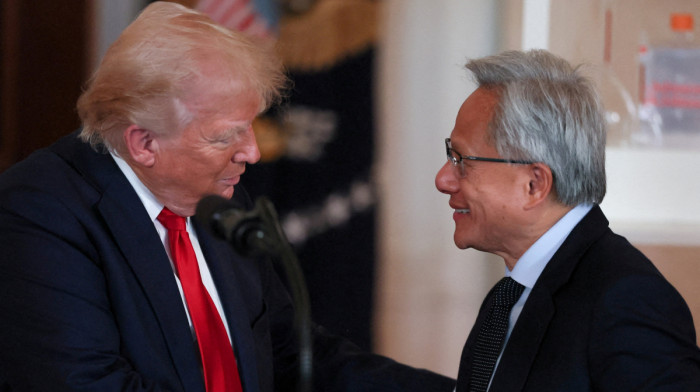
U.S. President Donald Trump said a presidential pardon for Nvidia chief executive Jensen Huang was 'always an option', while expressing confidence in the technology executive ahead of his scheduled appearances before Congress.
Here's your AnewZ Daily Brief for the 25th of November, covering the latest cyberattacks affecting the U.S. this week.
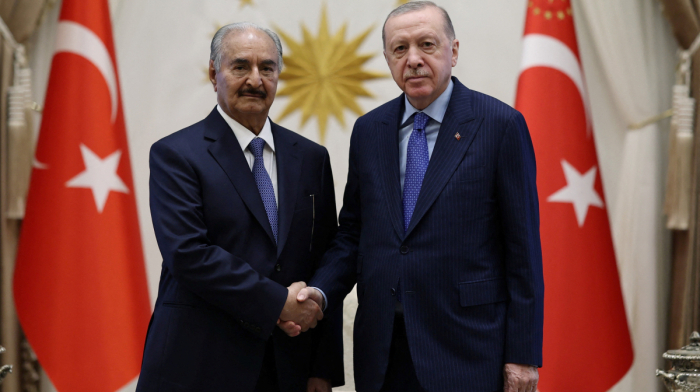
Libya has published its maritime boundary agreement with Türkiye in its official gazette, completing formal approval procedures for the controversial deal amid warming ties between Ankara and eastern Libya.
The 31st Tashkent International Tourism Fair has opened alongside the first International Tourism Investment Forum, as Central Asia looks to turn rapid tourism growth into long-term investment.
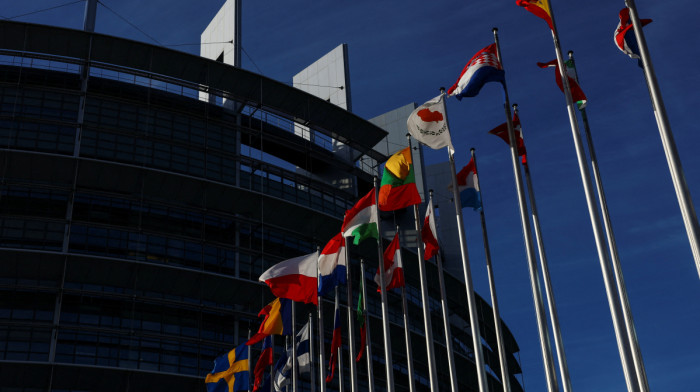
The European Parliament has adopted a new resolution on Georgia, demanding the immediate release of opera singer Paata Burchuladze and opposition politicians Irakli Nadiradze and Paata Manjgaladze, while calling for targeted sanctions against senior Georgian officials.
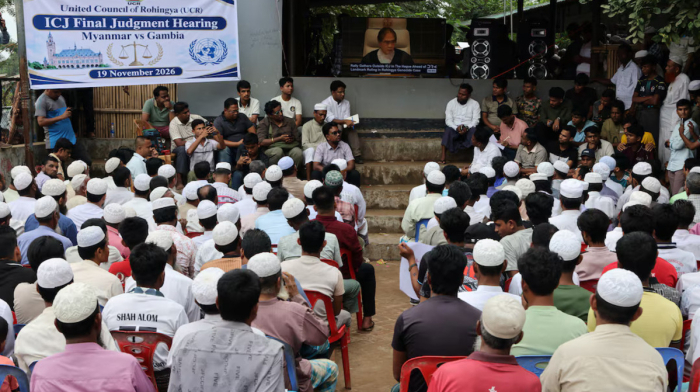
Myanmar’s military-backed president has said his administration will not fully comply with orders from the International Court of Justice (ICJ) after the UN’s top court ruled that the country’s security forces committed genocide against the Rohingya minority in 2017.
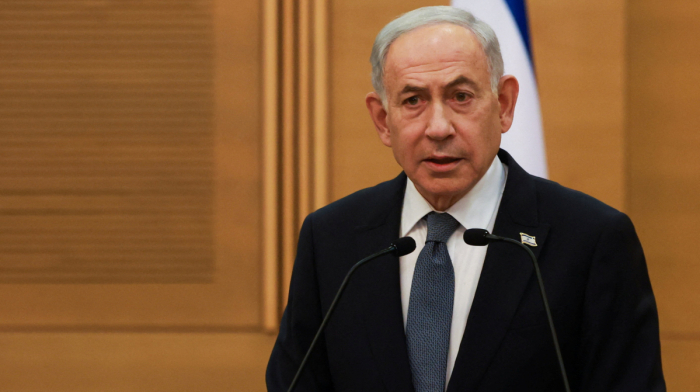
Israeli judges have recommended dropping one of the three corruption cases against Prime Minister Benjamin Netanyahu and reconsidering another, dealing a setback to prosecutors in his long-running trial.
You can download the AnewZ application from Play Store and the App Store.
What is your opinion on this topic?
Leave the first comment