Kazakhstan offers Germany bigger role in critical minerals supply chains
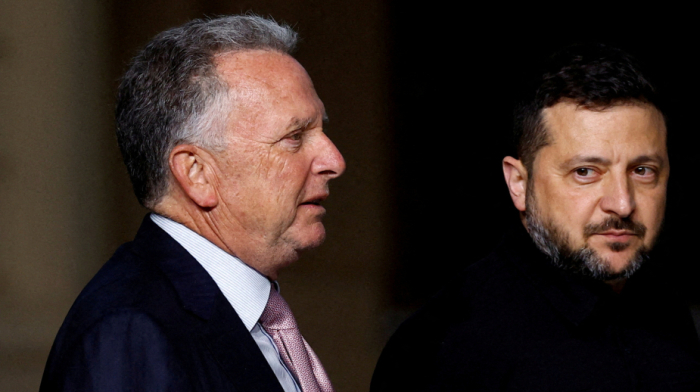
Kazakhstan and Germany have agreed to expand cooperation in critical minerals, industry, energy and transport, with Astana seeking a greater German...
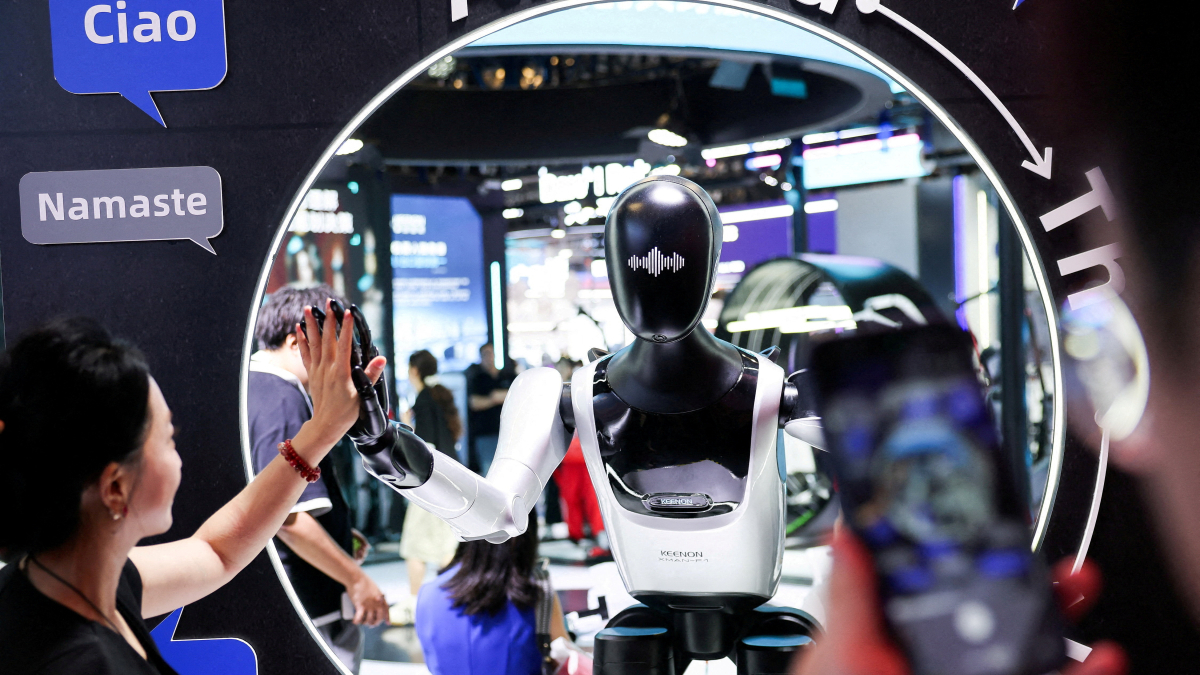
China will "resolutely retaliate" and safeguard its interests if the United States insists on acting unilaterally over an import ban on new Chinese robots and power inverters, the commerce ministry said on Thursday.
China on Wednesday urged the United States to withdraw new measures aimed at protecting its artificial intelligence industry, accusing Washington of discriminating against Chinese companies and products.
The U.S. Federal Communications Commission (FCC) introduced the measures on Tuesday, saying they were designed to shield the country’s AI development from national security risks and bring back key industries expected to see rapid growth.
China’s Ministry of Commerce said the FCC had ignored Beijing’s repeated objections and continued to expand restrictions on Chinese technology firms.
The ministry accused Washington of using national security concerns as a pretext for what it called "market distortion and unilateral bullying behaviour" that harms both Chinese and U.S. industries.
In separate news, China’s cyberspace regulator on Wednesday released a draft law aimed at combating cyberbullying, including abuse enabled by artificial intelligence, as Beijing increases oversight of online activity.
The Cyberspace Administration of China said the proposed rules would apply to cyberbullying activities inside China, as well as foreign organisations and individuals targeting users in the country.

A Russian guided aerial bomb has struck an apartment building in Kharkiv, injuring 22 people, including children, according to the city’s mayor. The strike follows a day of near-continuous Russian attacks across Ukraine that killed at least five people.
Here's your AnewZ Daily Brief for 28 September 2026. These are the top stories making headlines in technology.
Saudi Foreign Minister Prince Faisal bin Farhan has arrived in Washington for talks with U.S. Secretary of State Marco Rubio on bilateral ties and key regional and international developments, Saudi state news agency SPA reported.
The European Union's decision to simultaneously advance accession talks with Ukraine, Moldova, Montenegro and Albania marks its most ambitious enlargement effort in more than two decades.
U.S. President Donald Trump has denied reports that he offered Iran sanctions relief and access to frozen funds in exchange for nuclear concessions.
OpenAI has cancelled plans to release GPT-6.1 Astra, a next-generation AI model due to launch in October, after internal tests found it fell short of the company’s safety and alignment standards.
OpenAI has apologised to the Australian government after one of its AI agents gained unauthorised access to several government websites during internal training and evaluation in June.
Robots capable of interacting with people, navigating their surroundings autonomously, supporting manufacturing and logistics operations, and providing services at large-scale facilities will be showcased at AI & Digital Bridge 2026 in Astana from 1 to 3 October.
Here's your AnewZ Daily Brief for 28 September 2026. These are the top stories making headlines in technology.
Meta has unveiled a new generation of wearables, including lightweight virtual reality glasses and camera-free smart spectacles, as it pushes AI-powered devices further into the mainstream while seeking to address privacy concerns.
You can download the AnewZ application from Play Store and the App Store.
What is your opinion on this topic?
Leave the first comment