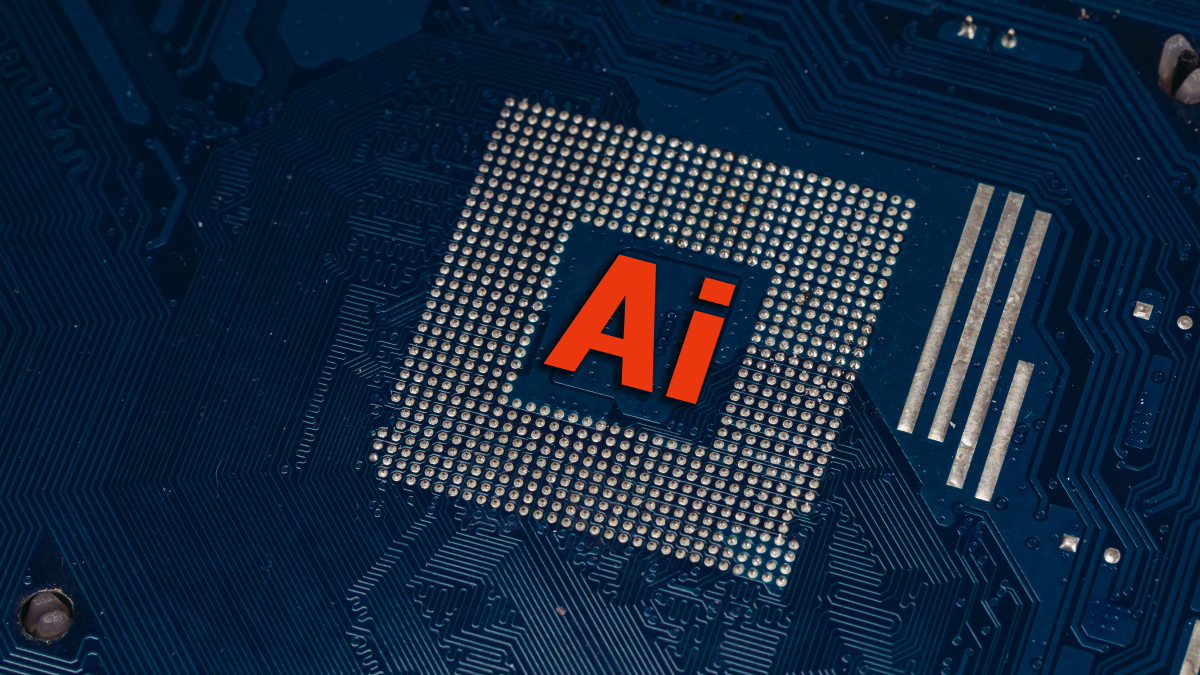
A Chinese-made AI chip has matched Nvidia’s H200 in tests conducted by its developer, marking a potential breakthrough in China’s efforts to reduce its dependence on foreign technology.
Chinese technology company Iluvatar CoreX says its latest AI chip, the Tiangai 300, can match or even outperform Nvidia’s H200, one of the most powerful AI chips available to Chinese buyers.
The Shanghai-based company demonstrated the chip to Chinese media on Wednesday, showcasing its ability to handle demanding AI tasks, including generating images and videos from text prompts.
In one test, the Tiangai 300 completed 100 per cent of image-generation tasks, producing an average of 0.101 images per second. Nvidia’s H200 completed 87.5 per cent of the tasks, at a rate of 0.086 images per second. However, the Chinese chip took slightly longer to complete individual tasks.
Iluvatar claims this makes the Tiangai 300 the first Chinese-made general-purpose AI chip to match the H200 in real-world performance tests.
Strong performance claims await verification
The company also cited other tests suggesting the chip could outperform its U.S. rival. According to Iluvatar, independent testing found that a single Tiangai 300 card delivered slightly better overall performance than the H200. A separate financial report indicated a 15 per cent performance advantage in certain AI computing tasks.
However, the findings require further independent verification, as the company has not disclosed the full methodology behind its tests.
China pushes to reduce reliance on U.S. chips
The comparison is particularly significant given U.S. export restrictions on advanced technology. The H200 is the most advanced Nvidia AI chip approved for sale in China under current U.S. export rules. Nvidia began shipping the processors to Chinese data centres in August, following prolonged supply restrictions.
China has been accelerating efforts to develop home-grown advanced processors as U.S. restrictions curb access to some of the world's most powerful chips. Matching the H200's performance would mark a significant step towards greater technological independence.
Iluvatar sets sights on Nvidia's next-generation chips
Iluvatar is already looking beyond the H200. The company plans to develop processors capable of challenging Nvidia’s next-generation Rubin platform within the next two years. It has also attracted growing investor interest since listing in Hong Kong.
Its Tongyang TY1200 processor, designed for smaller-scale AI workloads, also reportedly outperformed Nvidia’s Thor T5000 by 20 per cent in specific tests involving large AI language models.
Software and production remain major hurdles
Despite the promising results, major challenges remain. Nvidia’s advantage extends beyond hardware to its CUDA software platform, which is widely used by developers worldwide. Chinese companies will need to develop similarly robust software ecosystems and demonstrate their ability to mass-produce advanced chips.
While Iluvatar's claims have yet to be fully verified, the results highlight China's growing ambitions to challenge global chipmakers and strengthen its domestic AI industry.
Read more:












What is your opinion on this topic?
Leave the first comment