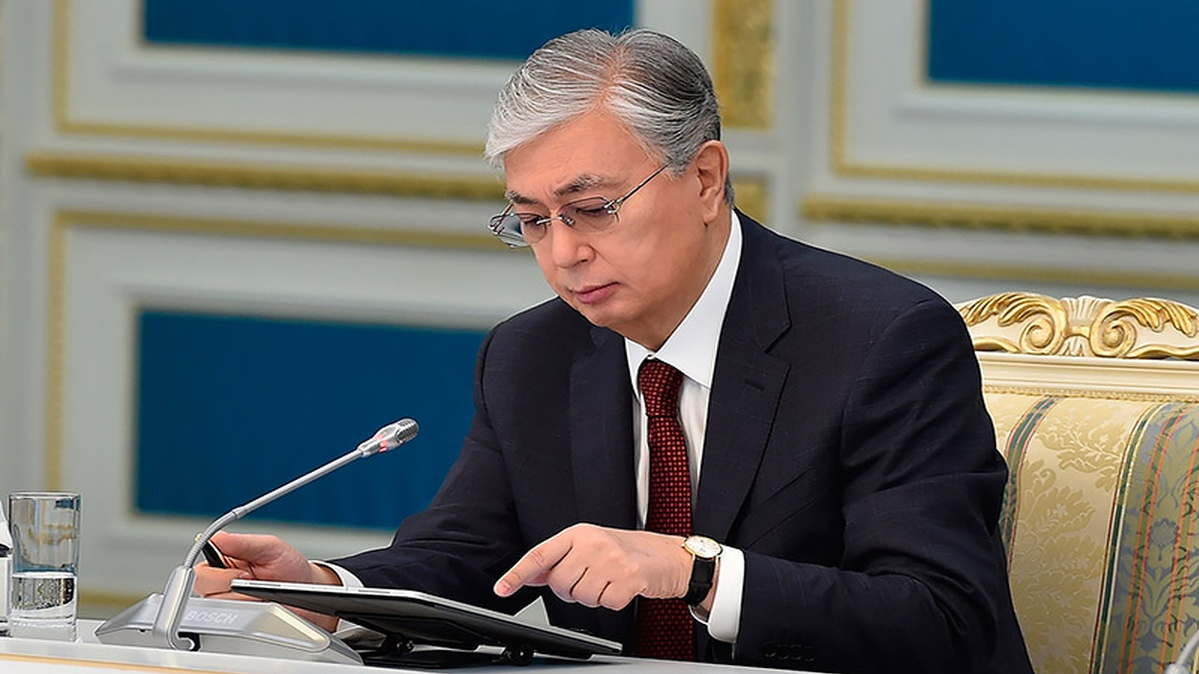
Kazakh President Kassym-Jomart Tokayev arrived in Brussels for talks with EU leaders as Kazakhstan seeks to expand its partnership with Europe beyond energy and raw materials, with a growing focus on technology, connectivity and industrial cooperation.
A decade of closer ties
The visit comes as Kazakhstan and the European Union mark ten years since signing the Enhanced Partnership and Cooperation Agreement. On the eve of his trip to Brussels, Tokayev published an article in Euronews reflecting on the evolution of the relationship and outlining his vision for its future development.
Over the past decade, the European Union has become Kazakhstan’s largest trading and investment partner. Thousands of European companies operate in the country, while European investment has helped modernise key sectors of the economy. However, Tokayev argues that the scale of global change now requires a broader approach to cooperation.
His argument is rooted in the geopolitical and economic shifts that have reshaped international affairs in recent years. The war in Ukraine, sanctions, supply chain disruptions and growing competition for technology and strategic resources have altered patterns of trade and investment far beyond Europe’s borders. In such conditions, Tokayev writes, countries need reliable partners and a pragmatic approach to international cooperation.
Moving beyond raw materials
Energy remains one of the foundations of Kazakhstan’s relationship with the European Union. Tokayev notes that the country currently accounts for around 13% of the EU’s oil imports and 16% of its natural uranium supplies. However, he argues that the relationship should increasingly extend beyond the export of raw materials to include technology, industrial development and investment in sectors capable of generating greater added value.
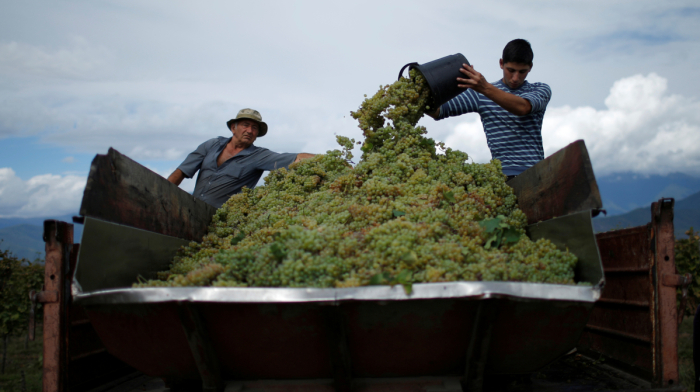
Agriculture is among the areas highlighted in the article. As food security becomes an increasingly important concern worldwide, Kazakhstan is seeking to strengthen its position as a major producer and exporter of grain. According to Tokayev, the country has considerable potential to help diversify supplies for European markets, while European technology and investment could support deeper processing and higher-value agricultural production within Kazakhstan.
Middle Corridor in focus
Connectivity is another central theme of the article. The Trans-Caspian International Transport Route, commonly known as the Middle Corridor, has attracted growing attention as governments and businesses seek alternative links between Europe and Asia.
For Kazakhstan, the route is more than a transport project. Tokayev describes major trade corridors as drivers of investment, market access and economic integration. In that context, he presents the Middle Corridor as a route capable of strengthening links between Europe, Central Asia and Asian markets further east, while creating new opportunities for trade and business cooperation.
Technology and innovation agenda
The article also points to areas likely to play a larger role in the next phase of Kazakhstan-EU relations. Tokayev highlights developments in artificial intelligence, digital governance and innovation ecosystems, reflecting the country’s ambition to deepen cooperation with Europe in technology and the digital economy.
The article reflects a broader message from Astana. While energy and raw materials remain important to relations with Europe, Kazakhstan is increasingly emphasising logistics, technology, industrial cooperation and human capital. Those priorities are expected to feature prominently during Tokayev’s talks with EU leaders in Brussels.













What is your opinion on this topic?
Leave the first comment