Central Asian countries are adapting their energy strategies as Russia’s fuel sector comes under mounting pressure from Ukrainian drone attacks on oil infrastructure and continuing export restrictions.
Tajikistan struggles with refining capacity
The regional shift comes as Tajikistan reported a sharp decline in domestic petrol production, while Uzbekistan unveiled plans to expand refining capacity and increase aviation fuel output to meet growing demand.
According to Tajikistan’s Statistics Agency, the country produced just 304 tonnes of petrol during the first half of 2026, almost 15 times less than the more than 4,500 tonnes produced during the same period last year.
At the same time, crude oil production rose nine per cent year-on-year to more than 10,000 tonnes, highlighting the country’s limited refining capacity despite modest growth in upstream output.
Tajikistan remains heavily dependent on imported petroleum products, primarily from Russia, making it particularly vulnerable to disruptions in regional fuel supplies.
Russian fuel sector under pressure
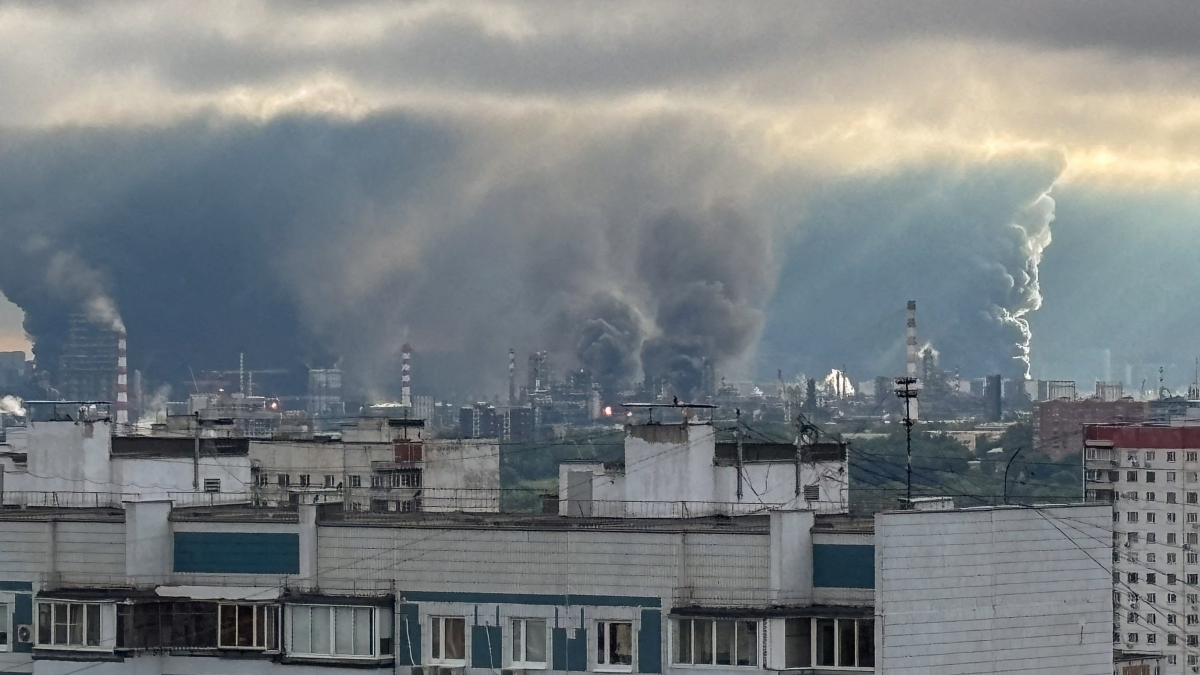
Russia’s energy industry has faced increasing strain following Ukrainian long-range drone strikes targeting oil refineries, fuel depots and transport infrastructure.
According to The Moscow Times, Russian oil refining fell to its lowest level in 24 years in July 2026, with refinery throughput dropping to around 3.6 million barrels per day. Eighteen refineries were reportedly struck during the month alone, forcing several facilities to suspend or reduce operations.
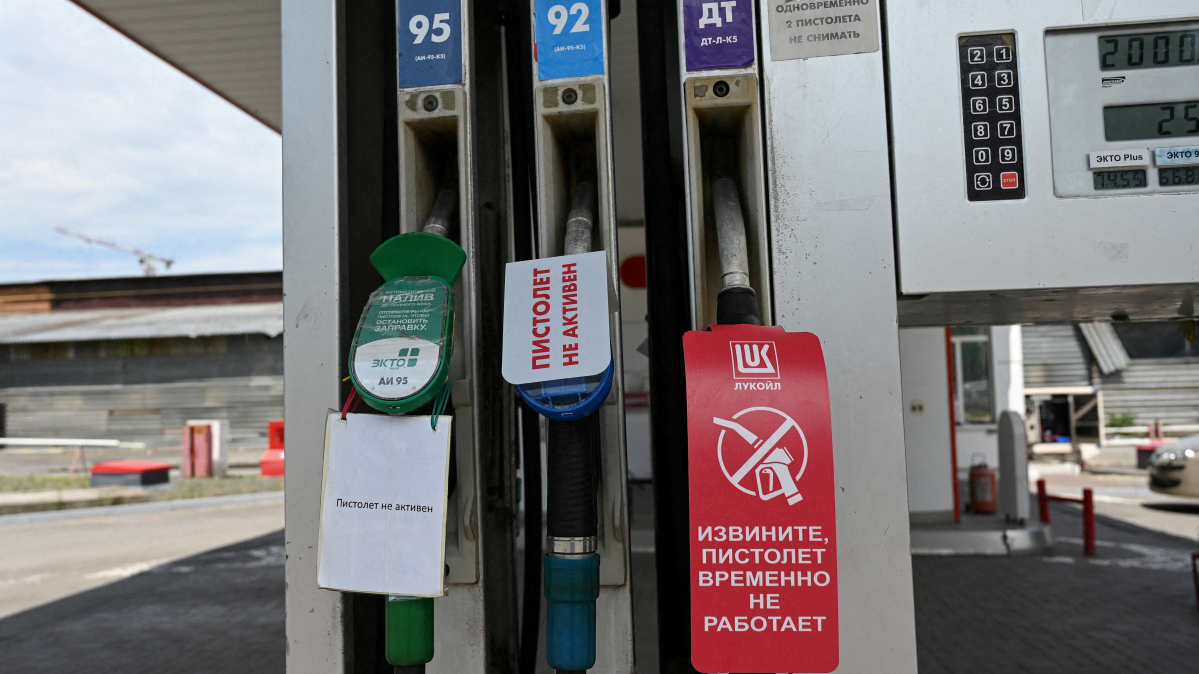
The disruptions have contributed to fuel shortages across parts of Russia, prompting Moscow to extend restrictions on fuel exports in an effort to stabilise domestic supplies. Last week, the Russian government extended its ban on petrol exports until 31 January 2027, while easing restrictions on diesel exports by producers from September.
Uzbekistan expands domestic production
Against that backdrop, Uzbekistan is focusing on strengthening domestic fuel production and modernising its oil and gas sector.
A report presented to President Shavkat Mirziyoyev said demand for aviation fuel is expected to reach 375,000 tonnes in the second half of 2026, 27 per cent higher than a year earlier, driven by the growing number of international flights passing through Central Asia.
State-owned Uzbekneftegaz reported producing 11.5 billion cubic metres of natural gas during the first six months of the year, while output of oil, diesel, aviation fuel and liquefied gas exceeded planned targets.
By the end of 2026, the company aims to produce 1.1 million tonnes of petrol, 983,000 tonnes of diesel, 310,000 tonnes of aviation fuel, 606,000 tonnes of liquefied gas and nearly 1.2 million tonnes of synthetic products as part of a broader programme to modernise the country’s oil and gas industry.
The contrasting developments illustrate how Central Asian countries are responding differently to growing uncertainty in regional fuel markets, as governments seek to strengthen domestic production and reduce their exposure to supply disruptions.
Read more from Central Asia:




















What is your opinion on this topic?
Leave the first comment