Russia’s fuel shortages are spreading into Central Asia, exposing the region’s heavy reliance on Russian petrol and diesel as governments race to secure alternative supplies and contain rising prices.
Russia’s fuel crisis is no longer confined to its domestic market. Following disruptions to refinery operations and tightening domestic supplies, Moscow has restricted petrol exports and is considering limits on diesel shipments. While the measures formally exempt members of the Russian-led Eurasian Economic Union, including Kyrgyzstan, as well as deliveries under intergovernmental agreements such as those with Uzbekistan, Russia’s shrinking fuel surplus is making exports increasingly difficult.
Impact on Russian fuel exports
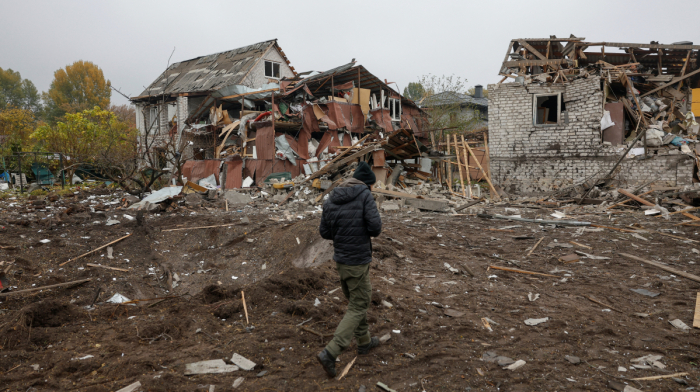
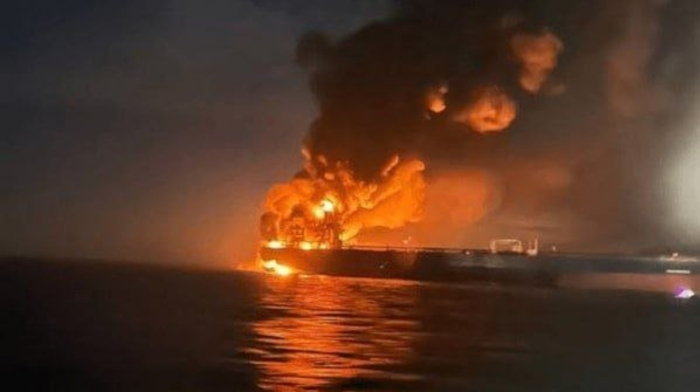
According to Reuters, Ukrainian strikes have put around a quarter of Russia’s oil refining capacity out of action. Russia is estimated to face a structural fuel shortfall of at least 20,000 tonnes a day, or around 600,000 tonnes a month. The country has already started buying additional fuel from Belarus and India and is preparing to import refined products for the first time in decades.
Central Asia is particularly exposed because its fuel markets remain closely linked to Russia. In 2025, Russia exported around 2.6 million tonnes of petrol by rail. Kyrgyzstan imported 526,000 tonnes, Uzbekistan 510,000 tonnes and Tajikistan 406,000 tonnes.
Kyrgyzstan faces the greatest risk
Kyrgyzstan is the most vulnerable market. More than 90% of its imported petrol comes from Russia. Between January and May 2026, Russia supplied more than 251,000 tonnes of petrol, 235,100 tonnes of diesel and 48,150 tonnes of aviation fuel. Early July brought the first signs of disruption, with some petrol stations reporting shortages of premium-grade petrol. Stocks of the regular AI-92 grade were estimated to cover only 30–45 days of demand.
The government has since approached Azerbaijan, Kazakhstan, Belarus, Uzbekistan and Turkmenistan for additional supplies, signalling that Russian deliveries are no longer regarded as fully dependable. Continued disruption could affect agriculture through diesel shortages and increase the cost of air travel if aviation fuel becomes scarce.
Price pressures grow in Uzbekistan
Uzbekistan has so far experienced price pressures rather than physical shortages. Although it has domestic refining capacity, demand has outpaced production, increasing reliance on imports from Russia. By 29 June, wholesale AI-92 prices had reached a record of roughly U.S.$1,100 per tonne on the Uzbek Republican Commodity Exchange, while prices rose by around 11.8% over the month. Daily trading volumes fell sharply, suggesting tightening supply.
Shortages emerge in Tajikistan
In Tajikistan, where around 84% of imported petroleum products come from Russia, local media reported diesel shortages in Dushanbe and other regions in early July. Some filling stations suspended sales, while others imposed purchase limits. Limited domestic production, expensive alternative supply routes and seasonal agricultural demand have increased the risk of higher transport and food costs.
Kazakhstan and Turkmenistan offer limited relief
Kazakhstan and Turkmenistan remain better positioned thanks to their own refining capacity. Kazakhstan has so far avoided domestic fuel shortages. According to the country’s Energy Ministry, national stocks of petrol, diesel and aviation fuel exceed 1.1 million tonnes, while domestic refineries continue to operate normally. Turkmenistan, which also has significant refining capacity, is likewise seen as a potential alternative supplier. However, neither country is expected to fully offset any prolonged reduction in Russian fuel exports because of domestic demand, existing commercial commitments and logistical constraints.
Diversification becomes a priority
Even if Russia’s fuel shortage proves temporary, it has exposed a structural weakness in Central Asia’s energy security. Governments across the region are now under growing pressure to diversify fuel imports. China is increasingly viewed as one of the most likely long-term alternatives, although replacing Russian supplies will require time and significant investment.











What is your opinion on this topic?
Leave the first comment