Kazakhstan has limited vehicle entries from Russia and neighbouring countries to one per day to tackle illegal fuel smuggling. The restrictions come amid a surge in Russians crossing the border to buy gasoline, as prices at home soar due to the Ukrainian strikes on Russian oil refineries.
Kazakhstan’s Deputy Minister of Energy Kaiyrkhan Tutkyshbayev said freight and passenger vehicles were currently prevented from crossing the border more than once per day. Other measures included “identifying vehicles with additional fuel tanks for illegal fuel export,” Tutkyshbayev said in local press.
Forbes Kazakhstan reported that licence plate data showed there had been an increase in drivers from the Russian regions of Samara, Saratov and Orenberg, which border the west of Kazakhstan, visiting gas stations in the Central Asian country.
Kazakhstan’s government said that there had been nearly 600 attempts to illegally export petroleum products from the country since the beginning of the year.
Gasoline prices in western Kazakhstan are around 50 per cent cheaper than prices in the three Russian regions.
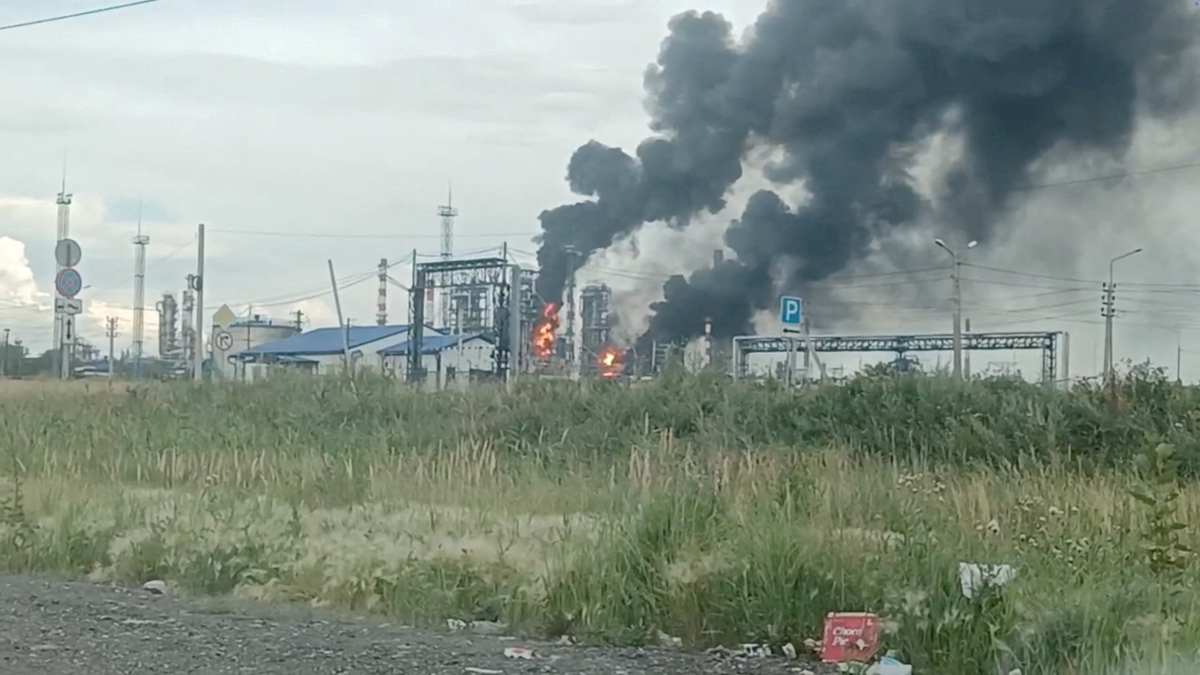
Ukraine has carried out a series of attacks on Russia’s energy infrastructure in recent months in an attempt to stall Russia’s war. The strikes have triggered fuel shortages and surging prices across the country.
Russia has now introduced a ban on diesel exports in a bid to support the domestic fuel market and last week began importing gasoline from India in an effort to mitigate shortages.
Russian President Vladimir Putin recently acknowledged the fuel shortages for the first time, but said they weren’t critical.
"It is absolutely clear that the enemy is trying to harm the economy and, most importantly, create nervous situation in the society. We all understand that this task is impossible to accomplish. The Russian energy system's resilience is very high, one of the highest in the world."
On Thursday (9 July), it's reported that two oil facilities in Russia were hit in Stavropol Krai and Tver.
Meanwhile Moscow fired ballistic missiles at Kyiv overnight and sent jet-powered drones over the city throughout Wednesday, killing at least three people, Ukrainian officials said.
Previously this week on Monday, Kyiv’s drones struck Russia’s largest oil refinery in Omsk, deep in Siberia, in one of Ukraine's longest-range attacks of the conflict.
Meanwhile, Kazakhstan’s has a ban on the export of gasoline, diesel fuel, and certain types of petroleum products until 21 November, 2026. The measures are aimed at ensuring the country’s energy security.
Restrictions on the export of petroleum products have been in effect in Kazakhstan since May 2021 and have been extended on multiple occasions.

















What is your opinion on this topic?
Leave the first comment