Kazakhstan has not received an official request from Russia for petrol supplies, Energy Minister Yerlan Akkenzhenov said, as fuel shortages and sales restrictions in Russia raise concerns over fuel supplies across Central Asia.
Speaking to reporters after a government meeting, Akkenzhenov was responding to reports that Kazakhstan could supply 50,000 tonnes of petrol to Russia. He said no formal request had been made by Moscow and added that, should one be received, it would be considered in accordance with established procedures.
Russia's fuel market under pressure
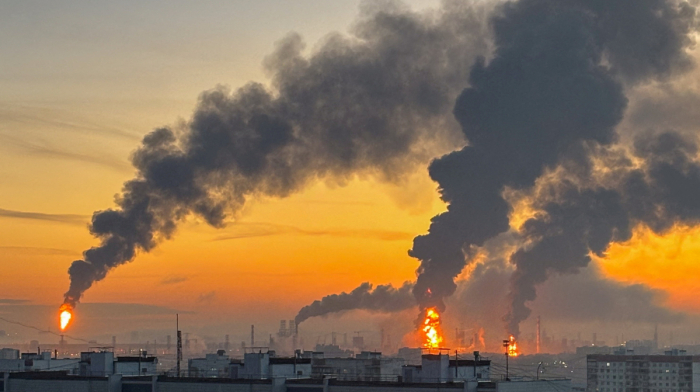
His comments come as Russia faces mounting pressure on its domestic fuel market. According to industry sources, oil refining output has been declining since March after intensified drone attacks on refinery infrastructure disrupted production. In recent days, fuel retailers have introduced sales restrictions in dozens of Russian regions.
According to Forbes Russia, limits on petrol and diesel sales were in place in 61 of the country's 89 regions as of 23 June.
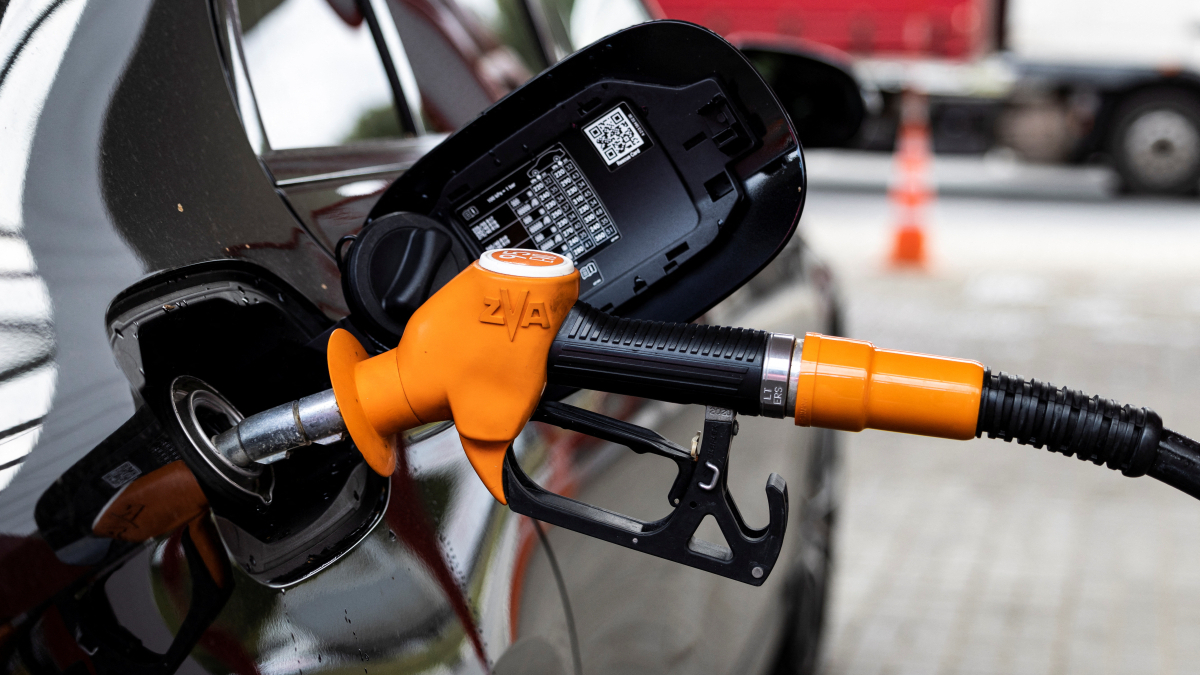
The restrictions vary by region and retailer. Some filling stations limit petrol purchases to 20 litres per customer, while others allow up to 40 litres. Diesel sales have also been capped, with limits ranging from 80 to 200 litres per vehicle.
In several regions, sales into portable containers have been suspended, while some filling stations have introduced coupon systems and long queues have formed. Regional authorities say the measures are intended to curb panic buying and prevent speculation.
Kazakhstan seeks to strengthen energy security
Kazakhstan, however, says its fuel market remains stable. Prime Minister Olzhas Bektenov has previously said the country is not experiencing shortages of petroleum products and that domestic demand is being fully met by Kazakhstan's refineries, which continue to operate under normal conditions.
At the same time, Astana is seeking to diversify fuel imports as part of a broader effort to strengthen energy security. The Ministry of Trade and Integration is preparing a mechanism to allow duty-free imports of petrol, diesel and other petroleum products from third countries, primarily China.
The preferential regime is expected to remain in place for one year, with import volumes determined by domestic demand rather than fixed quotas.
According to Vice-Minister of Trade and Integration Zhanel Kushukova, the initiative is intended to create additional supply options and reduce dependence on a single source of imported fuel.
Shortages spread across Central Asia
The impact of Russia's fuel market disruption is already being felt elsewhere in Central Asia. Kyrgyzstan has reported shortages of AI-95 and AI-98 petrol, which local authorities and industry representatives attribute to reduced deliveries from Russia and seasonal demand.
In response, the government has introduced temporary price controls on fuel and support measures for importers in an effort to stabilise the market. More than 90% of Kyrgyzstan's petrol imports come from Russia, making the country particularly vulnerable to disruptions in Russian fuel supplies.










What is your opinion on this topic?
Leave the first comment