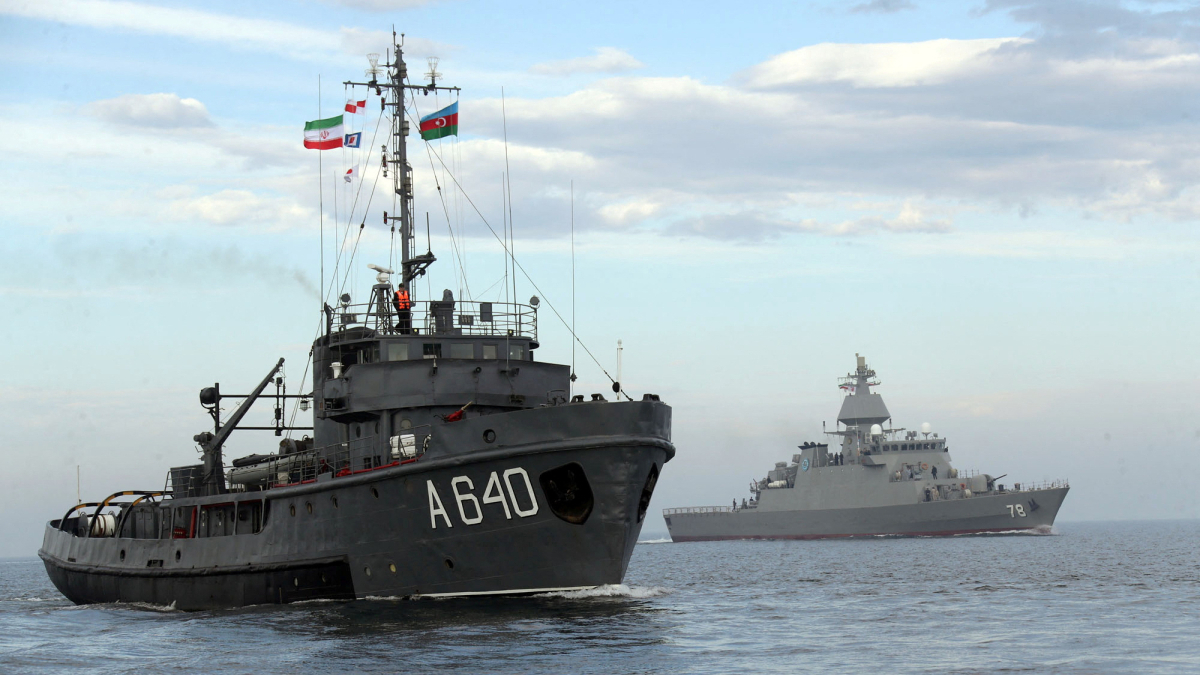
Iran is moving closer to ratifying a long-delayed agreement governing the Caspian Sea, as Tehran seeks closer ties with neighbouring states amid growing security concerns and economic pressure.
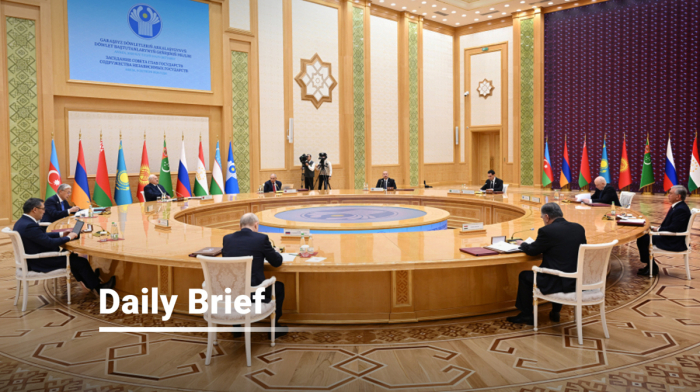
The Iranian government has submitted the Convention on the Legal Status of the Caspian Sea to parliament, with the final decision on ratification now resting with lawmakers, according to the Foreign Ministry. Iran signed the agreement alongside Azerbaijan, Kazakhstan, Russia and Turkmenistan in 2018.
Deputy Foreign Minister Kazem Gharibabadi said the move followed “changes in the security environment” around the Caspian, according to an interview with the state-run IRNA news agency. It also comes as Iran reportedly plans to host a meeting of the five Caspian littoral states next week.
Security concerns in the Caspian
Signed in Aktau, Kazakhstan, in 2018, the convention establishes a legal framework for the Caspian and includes a ban on armed forces from non-littoral states. It also regulates territorial waters, navigation, fisheries and access to natural resources.
Security concerns have intensified after Iran last month blamed Ukraine for an attack in the Caspian that it said caused an explosion aboard an Iranian commercial vessel, killing one sailor and injuring another.
Ukraine has acknowledged conducting long-range strikes in the Caspian, saying it targeted vessels transporting military cargo linked to Iran and Russia.
Domestic concerns over Iran’s Caspian rights
Iran is the only signatory that has not ratified the convention, which has faced criticism from some within the country amid concerns that it could weaken Tehran’s claims over the Caspian and its resources.
Gharibabadi sought to dismiss those concerns, saying ratification would have “no impact on the delimitation of the seabed and subsoil,” which would still require separate negotiations between neighbouring coastal states.
The government says ratification could also help expand economic cooperation and resolve outstanding legal issues among the five countries.
Trade routes add pressure
The push comes as Iran faces continued economic pressure and heightened tensions with the United States.
The Armenia-based Regional Center for Democracy and Security said ratification could provide Tehran with greater legal certainty and help preserve its partnership with Moscow, but noted that Iran may still seek to maintain negotiating leverage.
The issue also has broader implications for regional trade. The Caspian is central to the Middle Corridor, which connects Asia and Europe through Central Asia, Azerbaijan, Georgia and Türkiye while bypassing Iran and Russia.
As alternative trade routes develop, closer cooperation with its Caspian neighbours could become increasingly important for Tehran as it seeks to protect its economic and strategic position in the region.
Read more:












What is your opinion on this topic?
Leave the first comment