Trump says China agreed to Nuclear risk talks, defends friendship with Putin
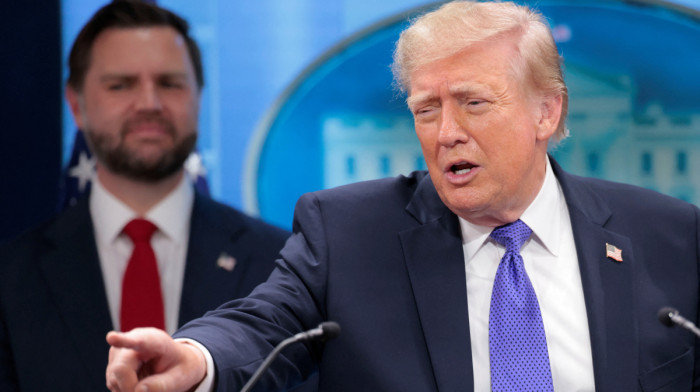
U.S. President Donald Trump has said China agreed for the first time to join trilateral talks on reducing nucle...
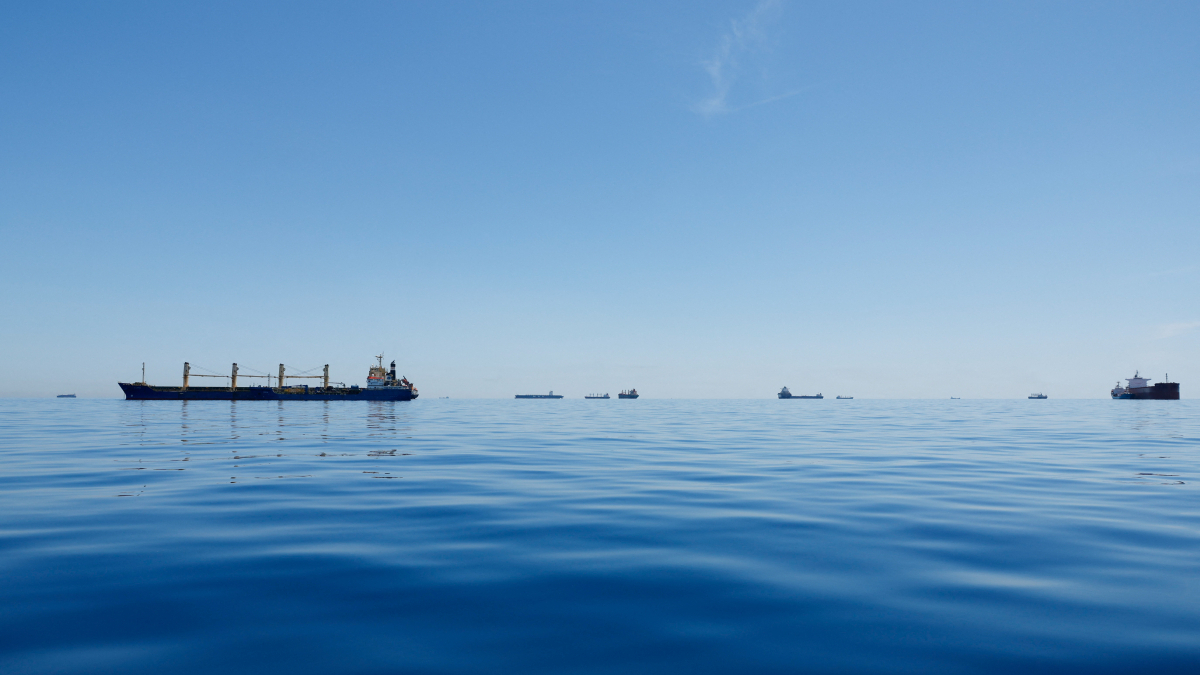
Iran is increasingly relying on its northern ports for imports, with officials saying more than 30% of goods now enter the country via Russia and the Caspian Sea rather than through the Indian Ocean.
Iran's Deputy Minister for Trade Development at the Ministry of Agricultural Jihad, Mohammad Reza Talaei, said the shift has helped the country avoid what he described as the risk of a "complete economic blockade".
"By changing the route from the Indian Ocean to the routes through Russia and the Caspian Sea, we have been able to confront the threat of a complete economic blockade," Talaei said in remarks carried by state news agency IRNA.
According to Talaei, northern ports now account for more than 30% of the country's total imports. He said most cargo arriving through those ports consists of essential agricultural commodities, including wheat, barley, maize and oilseeds, largely supplied by countries across Eurasia.
The shift reflects Tehran's broader effort to deepen trade with Russia and other Eurasian partners while reducing reliance on southern maritime routes through the Persian Gulf and the Indian Ocean. Iran has also been expanding transport links through the International North-South Transport Corridor (INSTC), which connects India, Iran, the Caspian region and Russia by rail, road and sea.
The latest figures underscore the growing importance of Iran's northern ports as the country seeks to diversify its trade routes and safeguard imports of strategic goods amid sanctions and regional instability.
Read more:
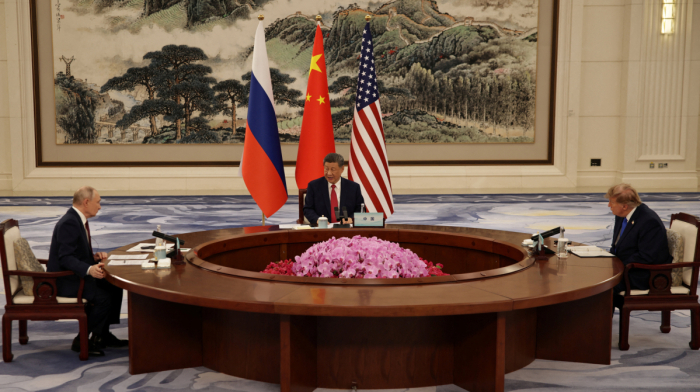
U.S. President Donald Trump, Russian President Vladimir Putin and Chinese President Xi Jinping are holding trilateral talks at the APEC summit in Shenzhen, China, with Ukraine, nuclear arms control and global security on the agenda.
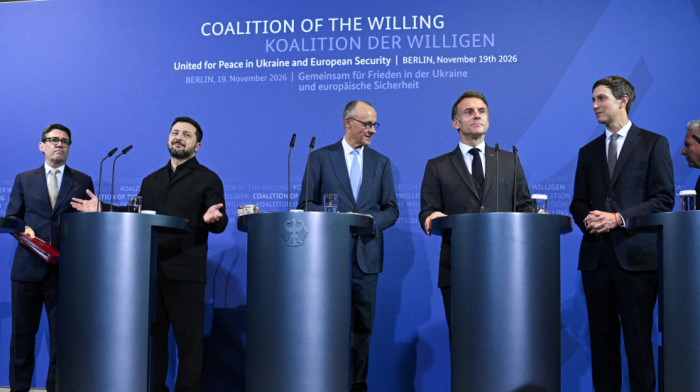
European leaders backing Ukraine met in Berlin on Thursday 19 November and warned that no peace deal should be settled without them.
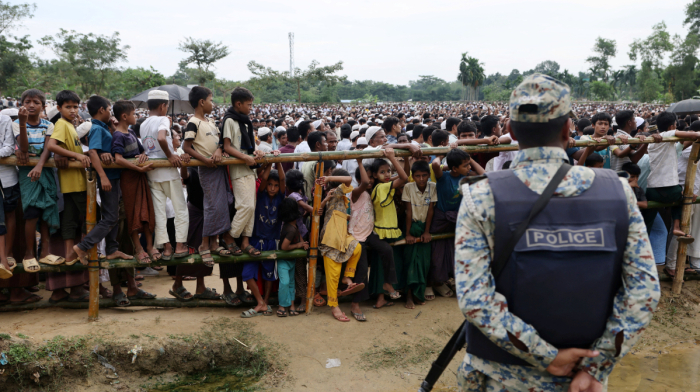
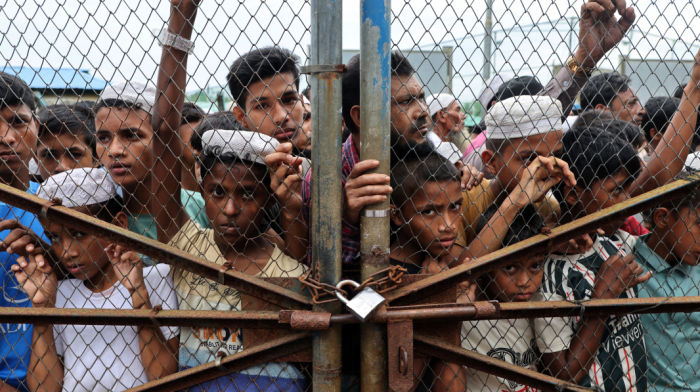
Myanmar's security forces committed genocide against Rohingya Muslims during a brutal military crackdown in 2017 that killed thousands and involved widespread sexual violence, the United Nations' top court ruled on 19 November.
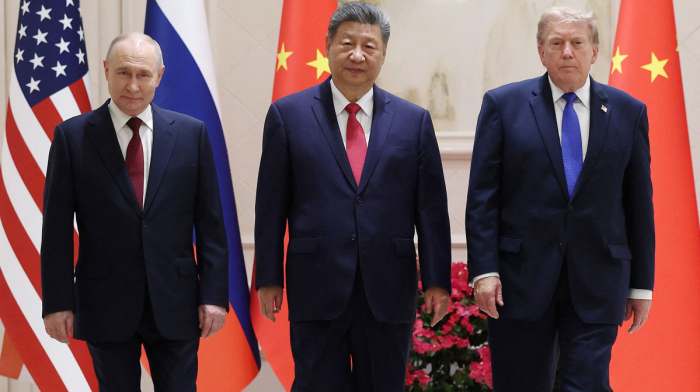
U.S. President Donald Trump, China's Xi Jinping and Russia's Vladimir Putin have issued a joint “declaration of peace” following historic talks in southern China, but stopped short of committing to nuclear arms reductions or addressing the war in Ukraine in their joint statement.
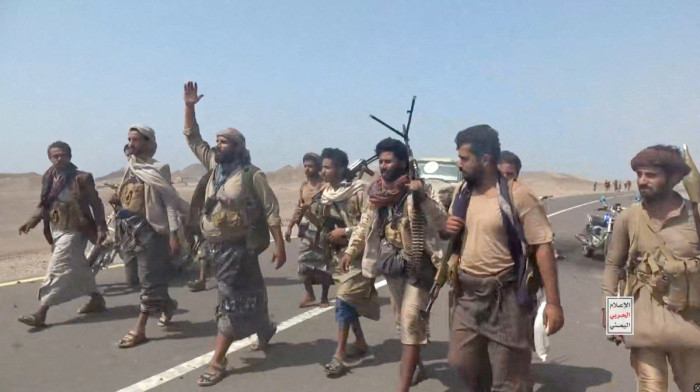
Saudi Arabia is preparing for up to six more months of fighting against Yemen’s Houthis, potentially extending the conflict into spring 2027, Reuters reported, as the kingdom struggles to secure gains on the ground.
U.S. President Donald Trump has said China agreed for the first time to join trilateral talks on reducing nuclear risk at this week’s summit with Russia’s Vladimir Putin and China’s Xi Jinping.
The United Nations' highest court has ruled that Myanmar committed genocide against its Rohingya Muslim minority during a 2017 military crackdown that forced hundreds of thousands to flee their homes.
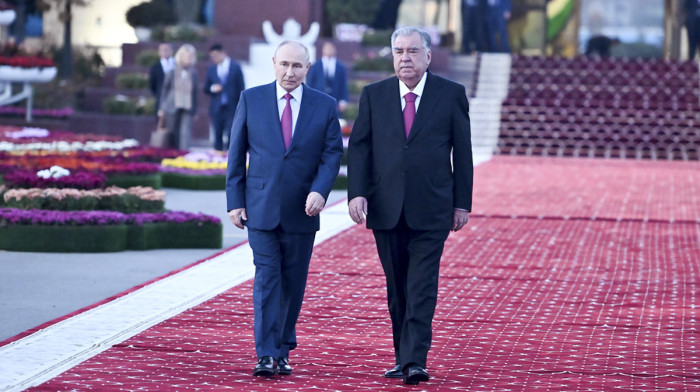
Tajik President Emomali Rahmon and Russian President Vladimir Putin held talks in Dushanbe on 20 November, focusing on labour migration, security along Tajikistan’s border with Afghanistan and the future of Russia’s military presence in the country.
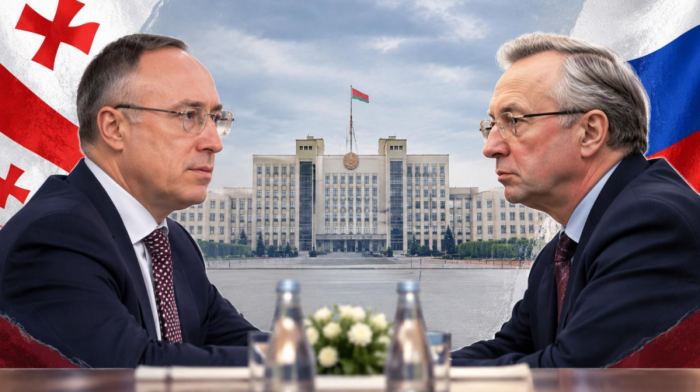
Georgia and Russia have resumed direct official talks, with senior diplomats meeting in Minsk on 19 November to discuss trade, economic cooperation and regional security, despite longstanding tensions between the two countries.
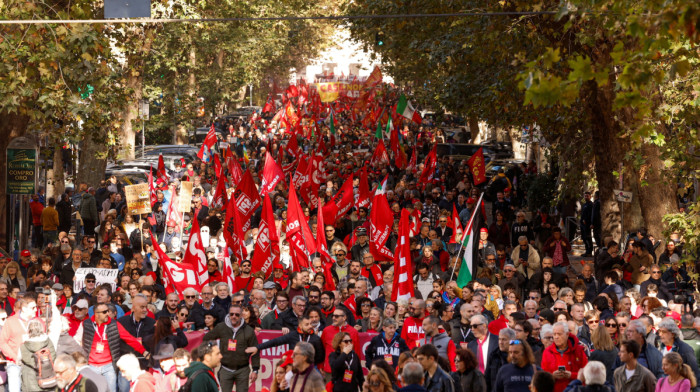
Students and workers took to the streets across Europe on Friday, 20 November, demanding better pay, affordable housing and more funding for education and public services, while protesting against rising military spending.
You can download the AnewZ application from Play Store and the App Store.
What is your opinion on this topic?
Leave the first comment