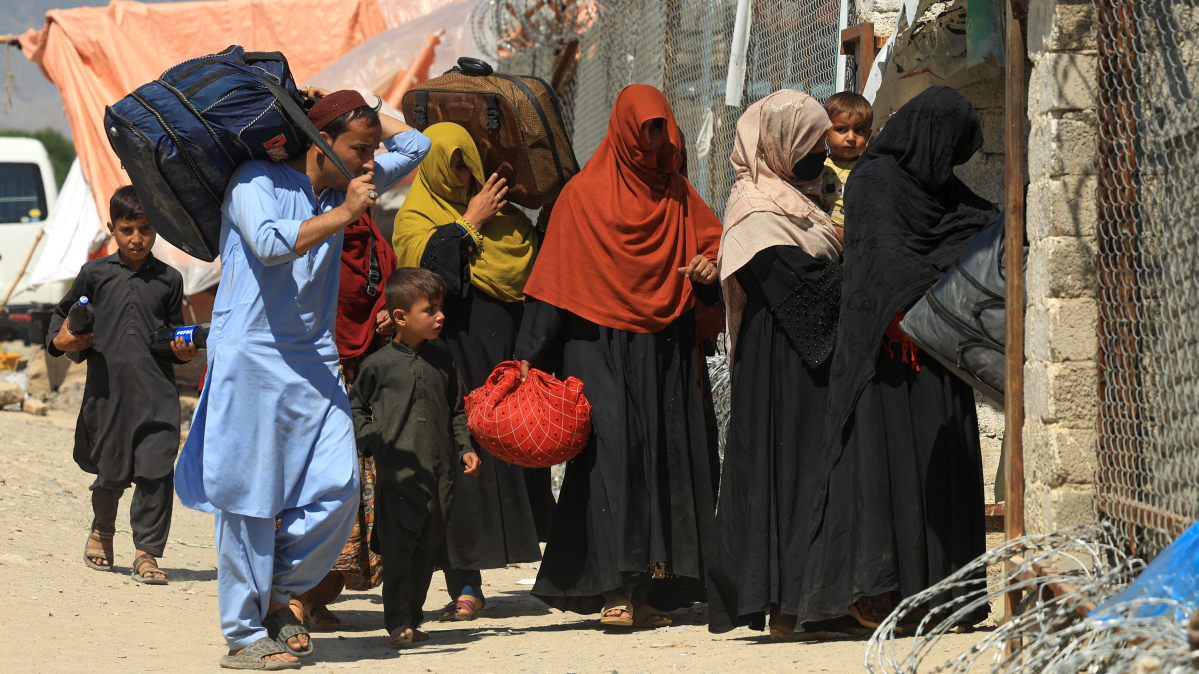
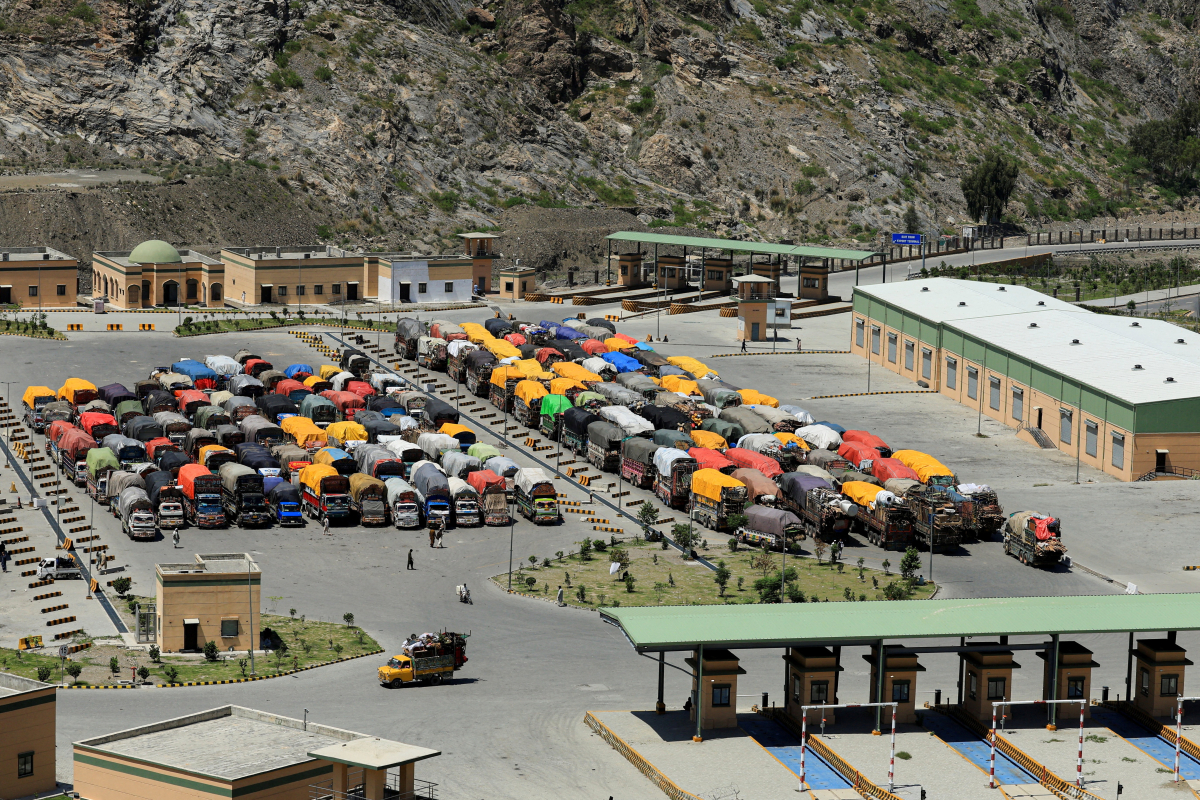
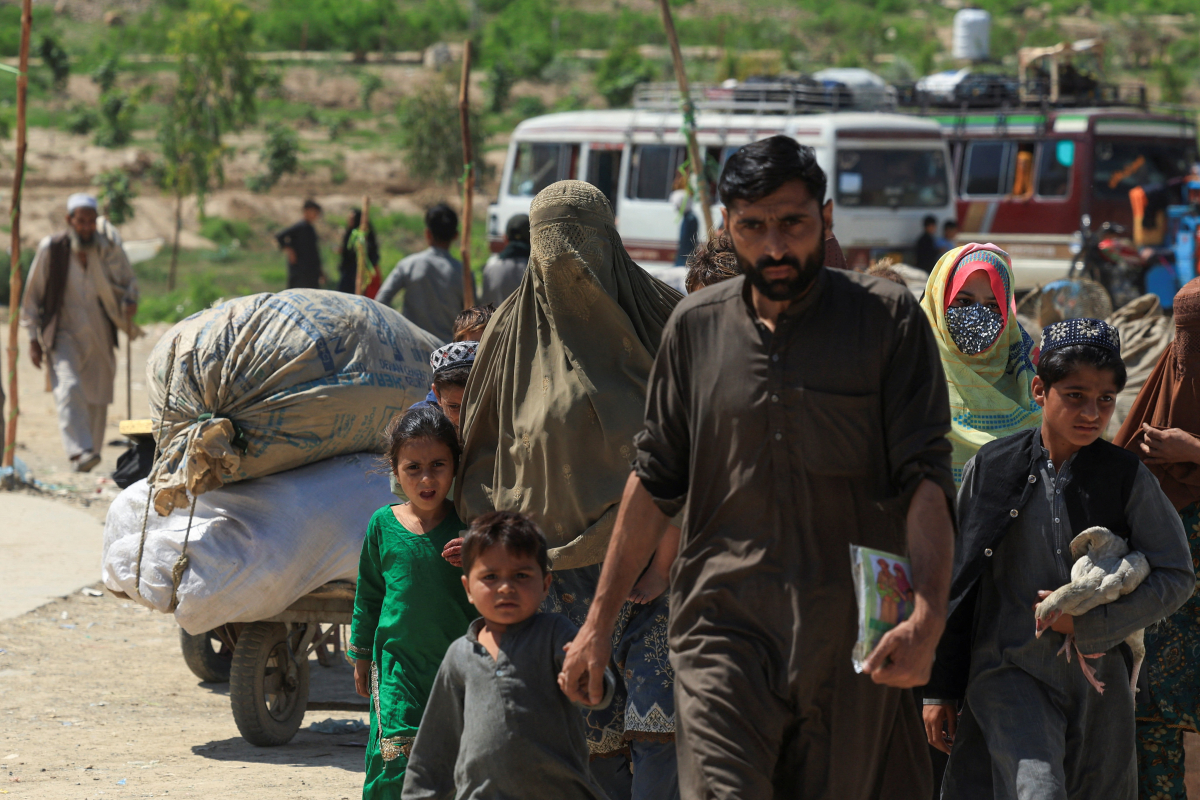
More than 1.2 million Afghans have returned to Afghanistan from neighbouring Iran and Pakistan so far in 2026, with more than 500,000 deported, according to data from the United Nations and the International Organization for Migration (IOM).
Data published by the United Nations High Commissioner for Refugees (UNHCR), based on figures from the UNHCR and the International Organization for Migration, recorded 1,228,920 returns this year.
Of those, around 705,400 people returned from Pakistan and 522,200 from Iran. A further 1,320 returned from other countries.
More than 500,000 deported
The data show 506,410 Afghans were deported to Afghanistan in 2026, with the majority sent back from Iran. Around 439,000 were deported from Iran and 66,100 from Pakistan, while a smaller number were returned from Tajikistan.
The UNHCR said the overall return figure covers several categories of Afghans and does not refer only to registered refugees.
“Total returns is an umbrella term that includes all returns including deportations, assisted Voluntary Repatriation and other returns of Afghans of all statuses.”
The agency said this includes undocumented Afghans as well as holders of different forms of documentation in Iran and Pakistan.
Pressure on returning families
Separate IOM monitoring from Pakistan has highlighted growing concerns among Afghans living there.
In its monitoring of Afghan returnees in July, the IOM said fear of arrest remained the main reason given by surveyed Afghans for returning.
“Fear of arrest (96 per cent) remained the most important reason among respondents to return to Afghanistan,” the IOM said.
The migration organisation has also warned that many returning Afghans have spent years, and in some cases their entire lives, outside Afghanistan.
The IOM said many arrive with limited social networks and face difficulties accessing housing, employment, services, civil documentation and protection mechanisms.
The latest influx comes after 2.9 million returns were recorded in 2025, according to UNHCR.
Read more:
























What is your opinion on this topic?
Leave the first comment