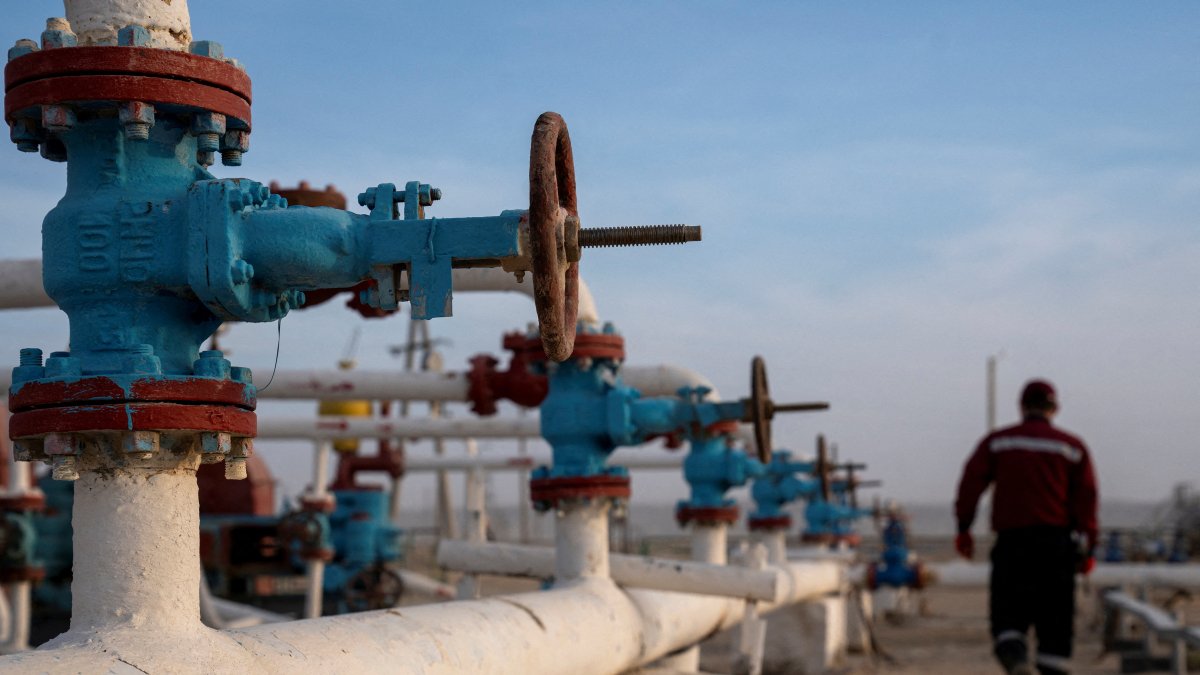
Russia has extended its ban on exports of gasoline, diesel, marine fuel and gasoil until 31 January 2027, as Moscow seeks to stabilise its domestic fuel market, prompting Central Asian countries to strengthen fuel security and diversify supplies.
The move comes as several Central Asian countries adapt their energy strategies to secure supplies and reduce the risk of shortages.
Under government decrees signed on 30 July, the export restrictions will remain in force from 1 August 2026 until 31 January 2027. However, from 1 September, diesel, marine fuel and gasoil exported directly by producers will be exempt from the ban. Fuel shipments made under intergovernmental agreements and those intended for humanitarian assistance will also continue.
The Russian government said the measures are intended to maintain stability in the domestic fuel market. Additional decrees introduce temporary mechanisms to guarantee fuel supplies for agricultural producers during the harvesting season and simplify fuel procurement for state and municipal institutions amid volatile market prices.
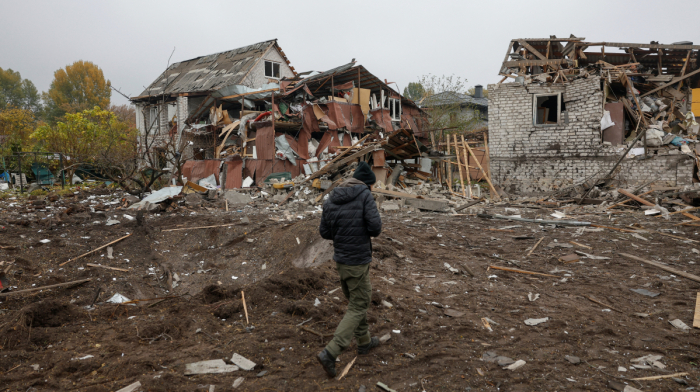
The restrictions follow months of pressure on Russia's refining sector, which has been disrupted by repeated Ukrainian drone strikes on oil refineries and fuel infrastructure, leading to supply shortages in several Russian regions.
Central Asia seeks alternatives
The tightening of Russian fuel export restrictions has prompted several Central Asian countries to take steps to protect their domestic markets.
In Kyrgyzstan, where about 95 per cent of fuel imports come from Russia, supply disruptions have contributed to higher fuel prices and temporary shortages of AI-95 gasoline and diesel. In response, Bishkek introduced an indefinite ban on exports of oil and petroleum products to safeguard domestic supplies until the local market stabilises or a common Eurasian Economic Union fuel market is established.
At the same time, Kyrgyzstan reached an agreement with Russia for the delivery of 100,000 tonnes of fuel and lubricants per month through the end of 2026. Officials said negotiations on pricing are continuing while the government also seeks alternative suppliers to diversify imports.
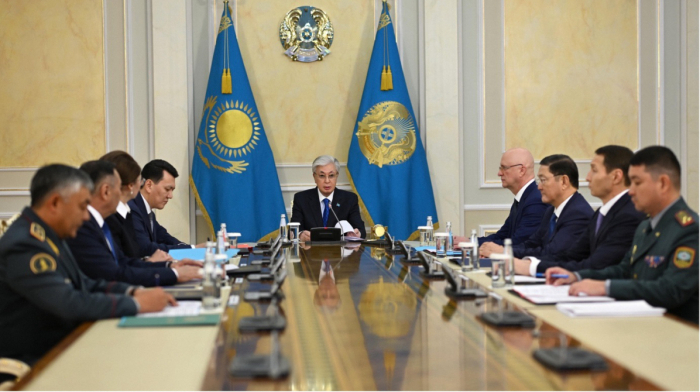
In Tajikistan, President Emomali Rahmon and Kazakh President Kassym-Jomart Tokayev discussed increasing exports of Kazakh petroleum products during talks in Astana this week. The move is aimed at strengthening Tajikistan's fuel security as regional supply chains remain under pressure.
Kazakhstan expands energy cooperation
Meanwhile, Kazakhstan is negotiating with Russia to process Russian crude oil at Kazakh refineries, with refined products to be sold on the domestic market and partly supplied back to Russia.
Kazakhstan's Energy Ministry said the proposal is intended to maintain stable refinery utilisation while ensuring adequate domestic fuel supplies. The ministry did not disclose the expected processing volumes or identify which refineries could participate.
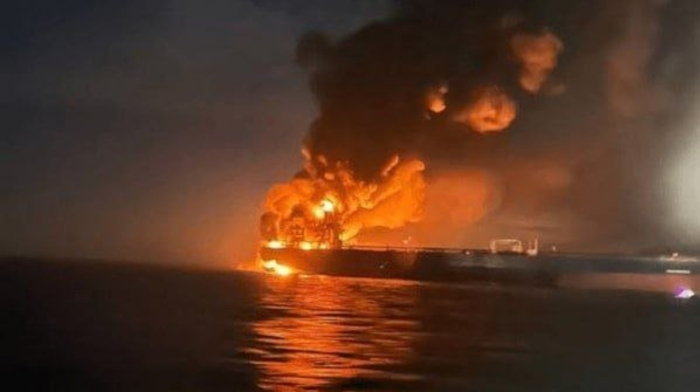
The talks come as Kazakhstan faces separate challenges to its own energy exports. This week, operations at the Caspian Pipeline Consortium (CPC) terminal on Russia's Black Sea coast were suspended again after drone attacks damaged vessels near the port of Novorossiysk. The CPC route carries around 80 per cent of Kazakhstan's crude oil exports, making repeated disruptions a significant concern for the country's energy sector and export revenues.
The developments highlight how Russia's domestic fuel policies, together with the wider effects of the war in Ukraine, continue to reshape energy flows across Central Asia, prompting governments to diversify supplies, strengthen regional cooperation and safeguard domestic fuel markets.
Read more from Central Asia:












What is your opinion on this topic?
Leave the first comment