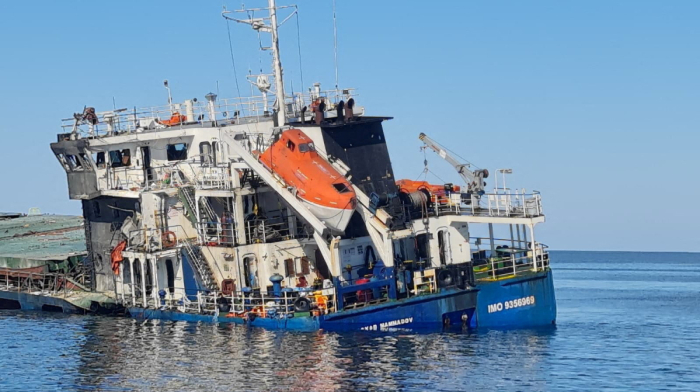
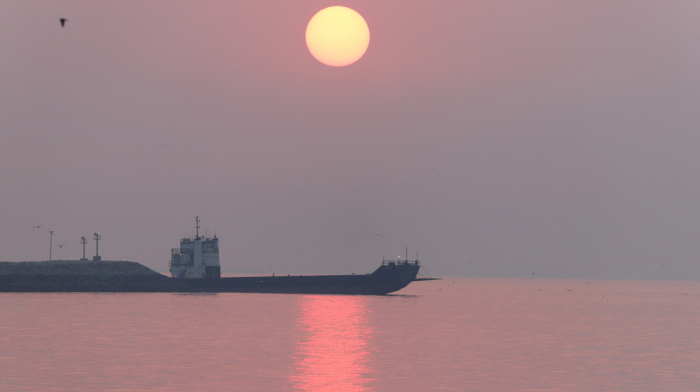
Captain Killed, Azerbaijani crew rescued after alleged Russian drone strike
Ukrainian President Volodymyr Zelenskyy has accused Russia of a deadly drone strike on a Türkiye-owned cargo ship in the Black Sea, killing it...
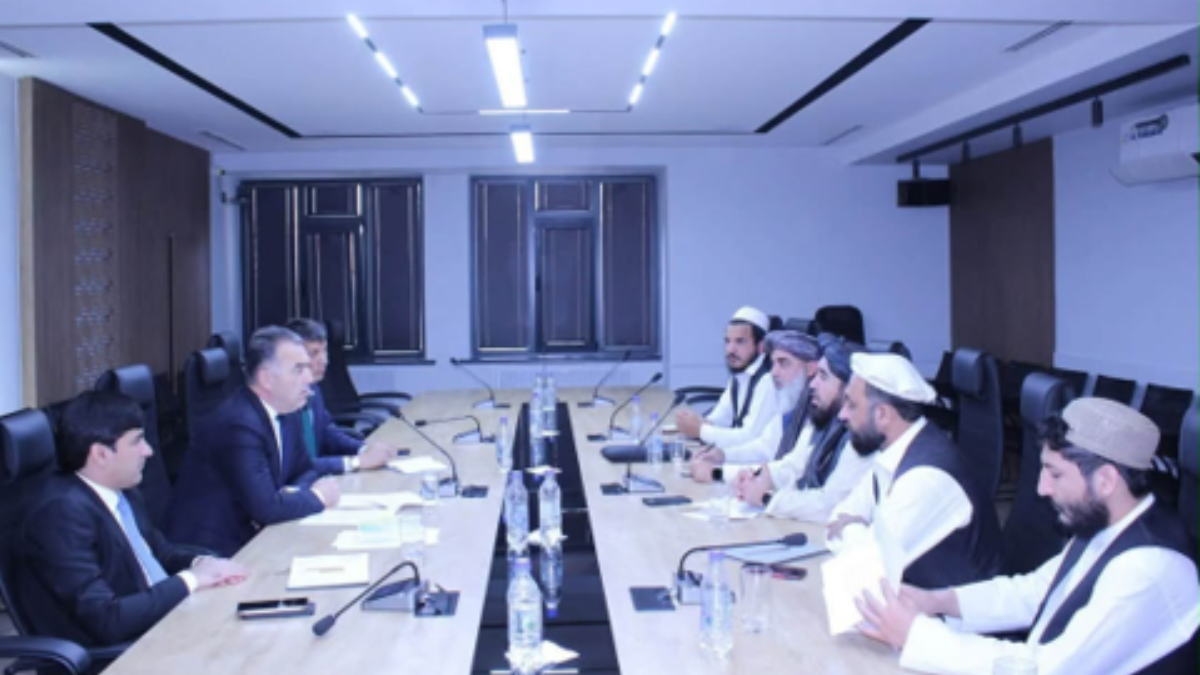
Afghanistan and Tajikistan have discussed boosting electricity supplies to Afghanistan and plans for a high-voltage power line through the country to Iran, as Kabul seeks greater access to imported energy.
The talks were held on Thursday between Da Afghanistan Breshna Sherkat (DABS) Chief Executive Officer Abdul Haq Hamkar and Tajikistan’s Minister of Energy and Water Resources Daler Juma.
According to DABS, discussions focused on increasing electricity imports from Tajikistan, expanding transmission infrastructure and developing future energy projects in Afghanistan’s Badakhshan province and border districts.
The two sides also discussed a proposed 500-kilovolt transmission line from Tajikistan through Afghanistan to Iran, potentially expanding regional electricity exchanges.
Hamkar said reliable energy supplies were essential to public services and Afghanistan’s economic development.
“Energy is not merely a technical necessity; rather, it is a fundamental requirement for the operation of hospitals, the growth of industry, education and economic and social development of the people,” Hamkar said, according to the DABS statement.
The meeting followed talks a day earlier between Hamkar and Barq Tajik Chairman Muhammad Umar Asuzoda.
DABS said those discussions covered electricity tariffs, investment, technical training, voltage and power quality improvements, and stronger transmission lines.
The company said Tajikistan was ready to consider Afghanistan’s request for increased electricity supplies.
Afghanistan remains heavily dependent on electricity imported from neighbouring countries. In 2025, the country produced about 250 megawatts domestically while importing around 800 megawatts, according to an October 2026 ACAPS analysis.
Tajikistan, Uzbekistan and Turkmenistan together provide between 70 per cent and 80 per cent of Afghanistan’s imported electricity, with Iran supplying much of the remainder.
Afghanistan is also part of the $1.2 billion CASA-1000 regional electricity project, designed to transmit surplus hydropower from Tajikistan and Kyrgyzstan through Afghanistan to Pakistan.
DABS said technical and commercial teams from Afghanistan and Tajikistan would continue talks over the proposals.
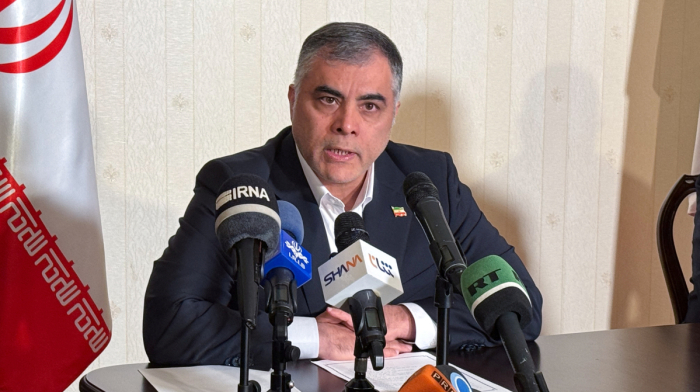
Iran's Oil Minister Mohsen Paknejad has resigned, with Hamid Bovard, chief executive of the state-owned National Iranian Oil Company (NIOC), appointed as acting oil minister, according to Iranian state media.
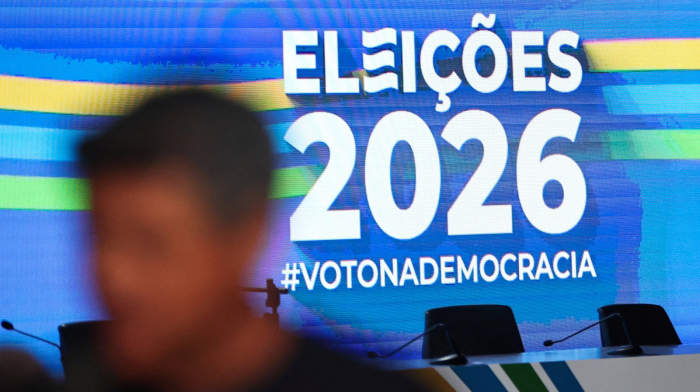
Right-wing Brazilian Senator Flavio Bolsonaro will face leftist President Luiz Inacio Lula da Silva in a runoff of the presidential election later this month, after he exceeded expectations in Sunday's first-round vote with a slight lead over the incumbent.
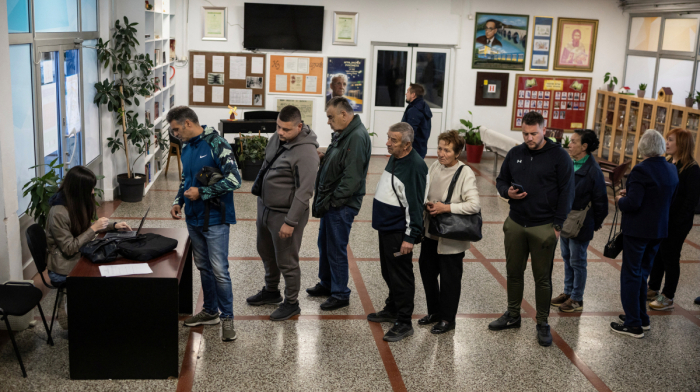
Candidates elected to Bosnia and Herzegovina's three-member presidency declared victory after preliminary unofficial results showed Denis Becirovic leading the Bosniak seat, Darijana Filipovic ahead in the Croat seat and Zeljka Cvijanovic likely retaining the Serb seat.
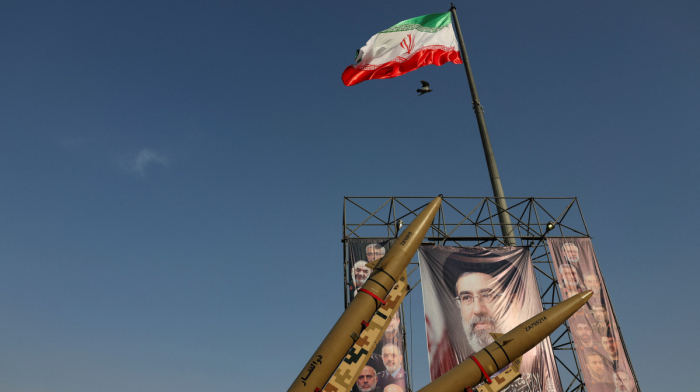
Iran says the Strait of Hormuz will remain closed until the United States meets seven conditions agreed under a June memorandum, as President Donald Trump signals he may soon decide whether to resume military operations against Tehran.
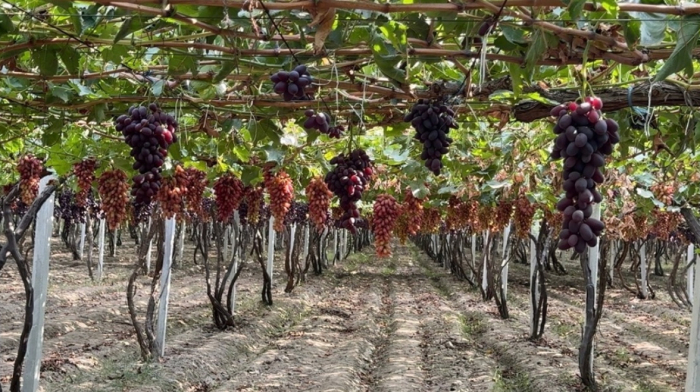
Uzbekistan’s grape exports have grown rapidly. In January-August 2025, the country exported 86,200 tonnes of fresh grapes worth $78.3 million to 19 countries but can it turn these crops into a recognisable international product?
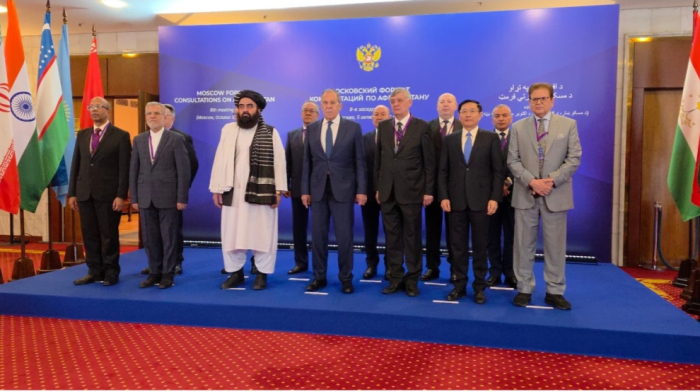
Regional powers gathered in Moscow on Monday for talks on Afghanistan, focusing on security, economic cooperation and Kabul’s relations with its neighbours.
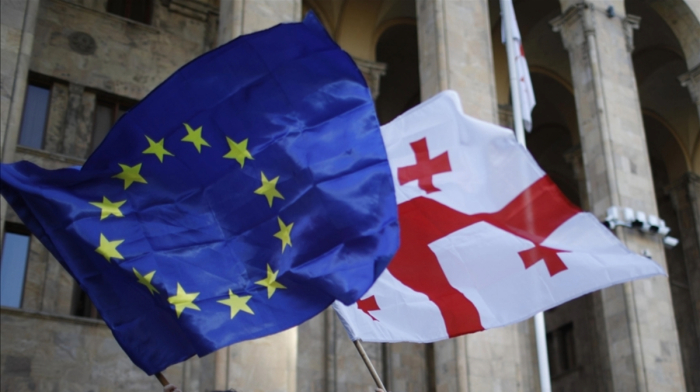
Four major German political foundations have halted their work in Georgia as tighter rules on foreign grants put pressure on a decades-old partnership and add to tensions between Tbilisi and its European partners.
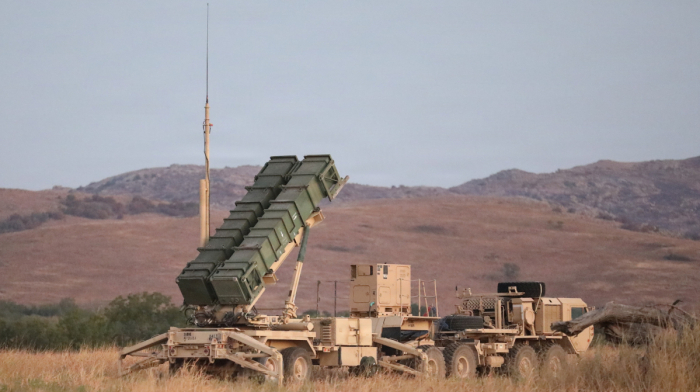
The U.S. has deployed two additional Patriot missile batteries to the Gulf, protecting key energy facilities in Saudi Arabia and Qatar as Washington expands its military presence in the Middle East amid heightened tensions with Iran.
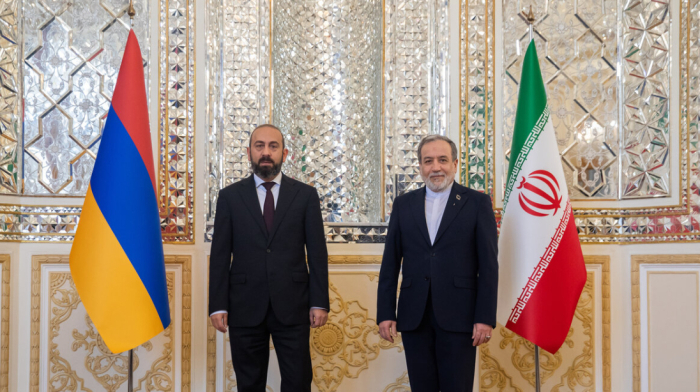
Iranian Foreign Minister Abbas Araghchi and his Armenian counterpart Ararat Mirzoyan held talks in Tehran on Monday on bilateral ties and efforts to strengthen peace and security in the South Caucasus.
Iran’s Foreign Ministry says it has conveyed its initial position to the United States through Qatar over Washington’s response to Tehran’s seven-day plan aimed at ending the war and reopening the Strait of Hormuz.
You can download the AnewZ application from Play Store and the App Store.
What is your opinion on this topic?
Leave the first comment