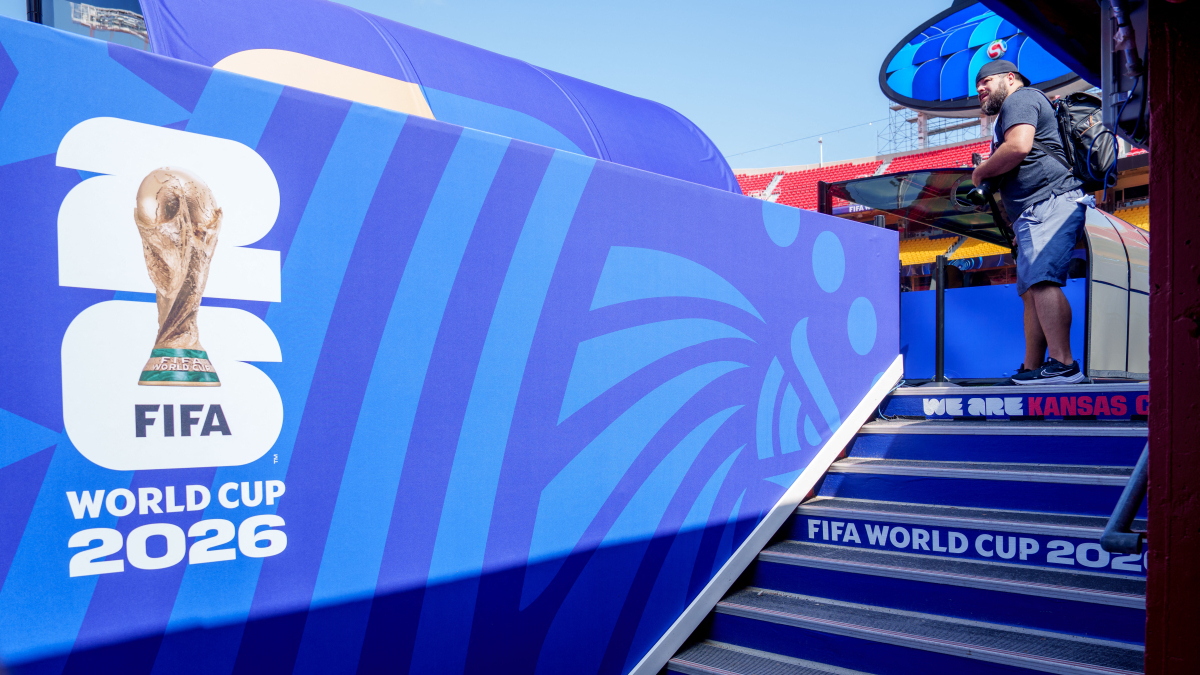
The FIFA World Cup 2026 is set to be one of a kind when it kicks off on 11 June, as it brings with it a slew of firsts ahead of co-hosts Mexico taking on South Africa in the opening match.
This year's tournament which will be jointly hosted by Canada, Mexico and the United States boasts of being the largest so far in the history of the tournament.
It also brings with it a record number of travel (teams have to travel across an entire continet), new rules including mandatory hydration breaks, and the most controversial yet as teams, referees and fans naviagate complex visa rules of host country USA.
Nevertheless, here are five new things to look out for over the next month.
The biggest World Cup ever
The 2026 tournament will feature 48 teams, up from 32 in previous editions.
The teams will be divided into 12 groups of four, with the top two sides from each group and the eight best third-placed teams progressing to the Round of 32.
The expanded format has opened the door for several newcomers. Uzbekistan, Jordan, Cape Verde and Curaçao will all be making their World Cup debuts.
Fun Fact: Curaçao are the smallest nation to ever qualify for a World Cup with a population of around 156,000 people.
Quicker substitutions
It’s pretty annoying when a player is substituted and they literally take ages to walk off, right?
Well, a new rule aimed at reducing time-wasting will require substituted players to leave the pitch within 10 seconds using the nearest exit point.
If a player fails to do so, their replacement will have to wait at least one minute until the next stoppage in play before being waved on by the referee.
Meaning a player taking too long to leave the pitch could leave their team down to 10 men.
New offside technology
FIFA will introduce enhanced semi-automated offside technology to help speed up decision-making.
Now a real-time audio alert will be sent to the assistant if a player is more than 10cm offside. But VAR will still be there to help referees when players are a toenail or strand of hair offside.
Robot dogs on patrol
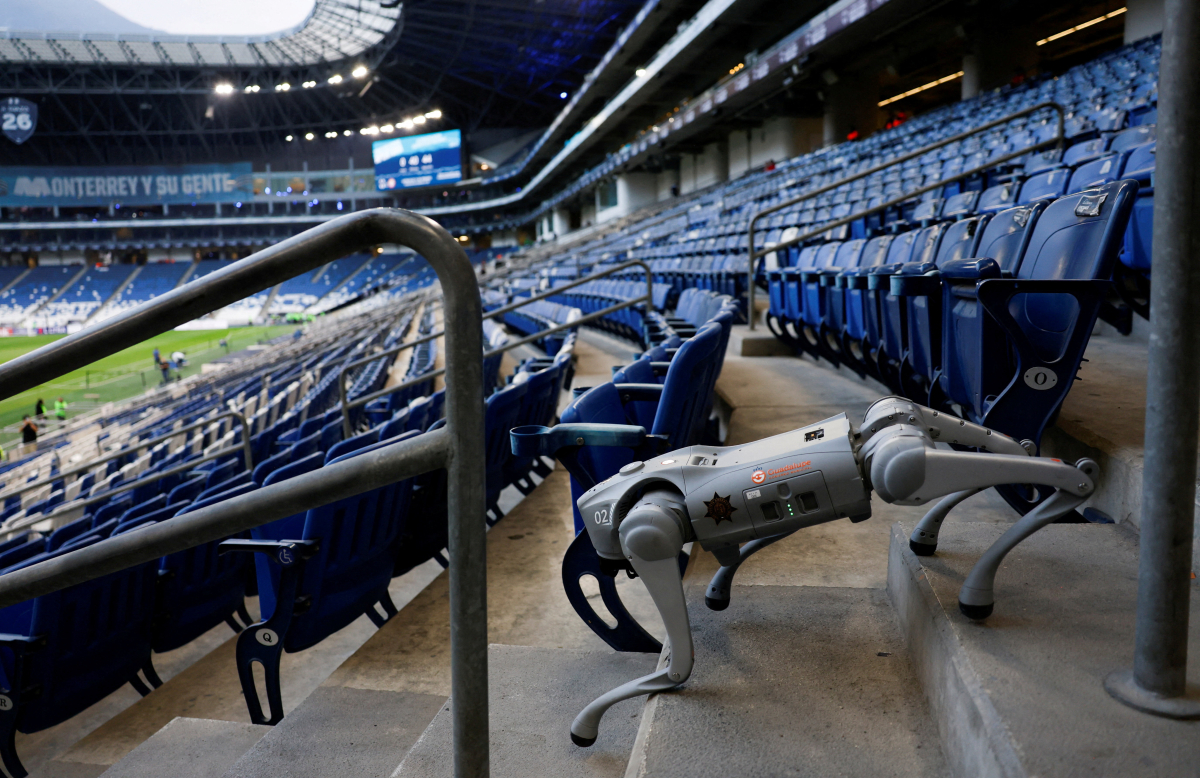
Police in Mexico plan to deploy robotic dogs during the tournament as part of efforts to improve security.
The four-legged machines are designed to enter potentially dangerous areas and transmit live video back to officers, allowing them to assess situations before intervening.
The purpose of the robot dogs is “to protect the physical safety of officers”, Guadalupe Mayor Héctor García said.
A half-time show for the final
This year’s final will have an NFL Super Bowl-style half-time show for the first time.
Well the final is in New York’s MetLife Stadium.
If you’re not a massive football fan but want to see BTS, Madonna and Shakira perform, then put the 19 July down in your diary.
Not everything is new… some are ‘old’
The 2026 tournament could mark the final World Cup appearances for some of the best players to ever play the game.
Cristiano Ronaldo, 41, Luka Modrić, 40, Lionel Messi, 39, Robert Lewandowski, 37 – this summer could be their last dance.
For Ronaldo and Messi, in particular, it may represent one last chance to add to their remarkable legacies on football's biggest stage.





















What is your opinion on this topic?
Leave the first comment