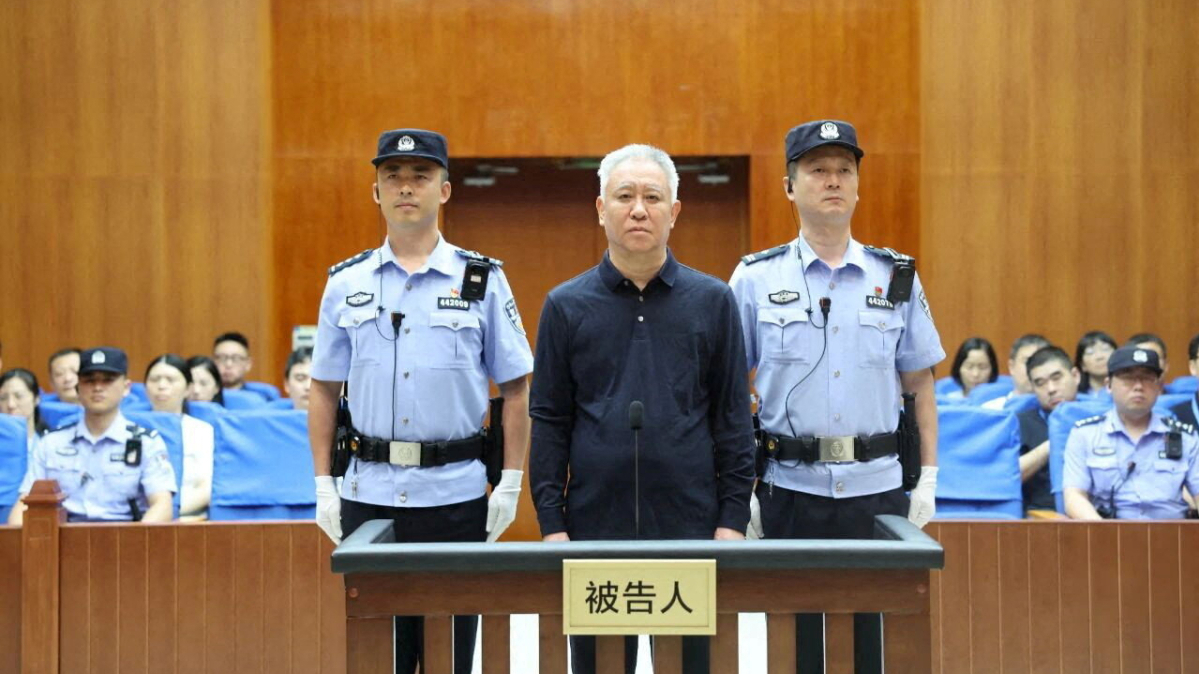
Five years after Evergrande's debt crisis rattled global markets, founder Hui Ka Yan has been sentenced to life in prison, marking a dramatic new chapter in the downfall of China's former property giant.
Once China's top-selling property developer, Evergrande became the world's most indebted property developer, amassing more than $300 billion in liabilities before its spectacular collapse.
So how did one of China's biggest corporate success stories unravel - and why has its founder now been jailed for life?
What happened to Evergrande?
Evergrande was founded by Hui Ka Yan in Guangzhou in 1996. It grew by borrowing heavily to buy land, build homes and sell them quickly, using the proceeds to fund further development. By 2020, its annual sales had reached about 700 billion yuan ($104 billion at current exchange rates).
The model worked while property prices and sales remained strong and credit was readily available. But it left the company carrying enormous debts.
The turning point came in 2020, when Chinese regulators introduced limits on developers' borrowing, known as the “three red lines”. Evergrande struggled to reduce its debt and raise enough cash. By 2021, it was missing payments and eventually defaulted on its offshore debt.
The consequences spread far beyond Evergrande. Other Chinese developers came under mounting pressure, while unfinished homes, falling property sales and weakening confidence fuelled a broader crisis in the sector.
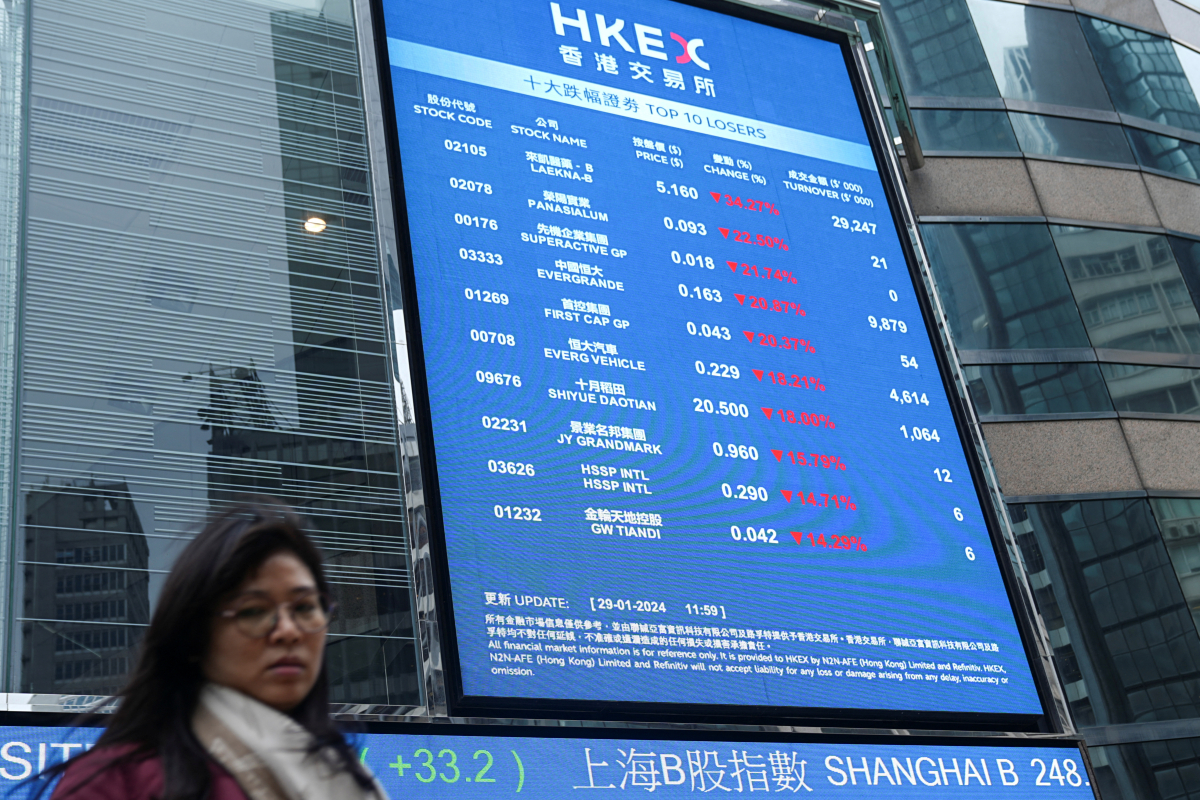
In January 2024, a Hong Kong court ordered Evergrande to be liquidated after the company failed to present a workable restructuring plan.
The company was delisted from the Hong Kong Stock Exchange on 25 August 2025. Trading in its shares had already been suspended since January 2024.
Who is Hui Ka Yan?
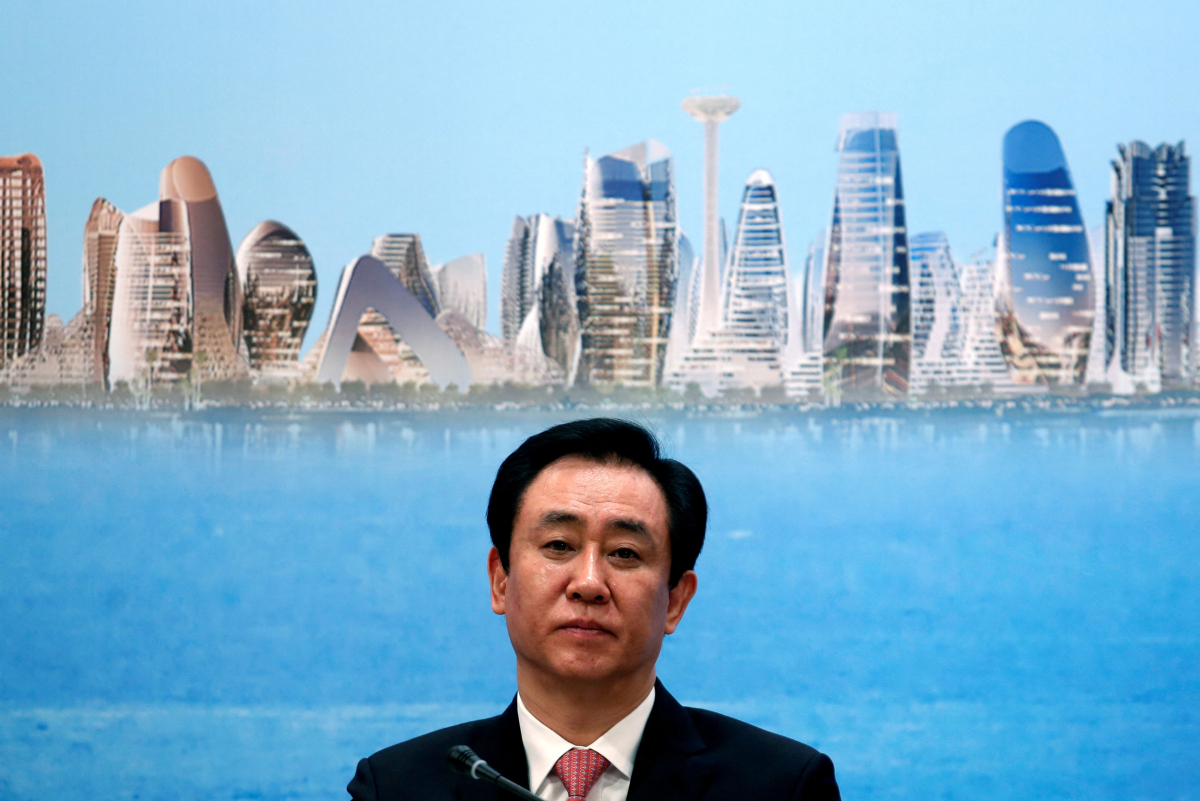
Hui Ka Yan, also known by his Mandarin name, Xu Jiayin, was raised by his grandmother in rural Henan province. He trained as a steel technician before moving into property in the 1990s, building a vast business empire through aggressive expansion and heavy borrowing.
Evergrande eventually expanded far beyond property, with interests ranging from electric vehicles to football. Its Guangzhou Evergrande football club became one of China's most successful teams, winning domestic titles and the Asian Champions League.
By 2017, Forbes had ranked Hui as Asia's richest man, with a fortune of $45.3 billion.
His fortune was built alongside China's extraordinary property boom. Evergrande borrowed heavily to buy land, build homes and sell them rapidly, recycling the proceeds into new developments.
By 2020, Evergrande had reached about 700 billion yuan ($104 billion) in annual sales, according to Reuters.
But behind that rapid expansion was an increasingly precarious mountain of debt.
The company's business model depended heavily on continued borrowing, rising property sales and ready access to credit. When those conditions changed, the model began to break down.
Why was Hui Ka Yan jailed?
The collapse of Evergrande did not, by itself, send Hui Ka Yan to prison.
His life sentence followed a criminal case involving multiple financial crimes, including fundraising fraud, misuse of funds, illegally taking public deposits, bribery and fraudulent issuance of securities. The Shenzhen Intermediate People's Court sentenced him to life imprisonment on 20 August 2026 and ordered the confiscation of all his personal property.
At the centre of the case was how Evergrande presented its financial position and raised money from investors.
Chinese regulators had previously found that Evergrande's mainland property arm, Hengda Real Estate, had inflated revenue by about 564.1 billion yuan in 2019 and 2020 by recognising property sales prematurely. The inflated figures helped the company issue bonds and present a stronger financial position than it actually had.
The regulator said revenue was overstated by 214 billion yuan ($31 billion) in 2019 and 350 billion yuan ($50.8 billion) in 2020. It also found that the company had failed to disclose important information, including some debt defaults and legal disputes.
The consequences were not limited to Hui. In 2024, China's securities regulator fined Hengda Real Estate 4.175 billion yuan ($620.4 million) for fraudulent bond issuance and false disclosures and imposed a lifetime securities market banon Hui.
The criminal proceedings went much further. The court found Hui responsible for wide-ranging financial misconduct and sentenced him to life imprisonment.
Evergrande was fined 8.82 billion yuan ($1.31 billion), while Evergrande Real Estate was fined 7 billion yuan ($1.04 billion).
Five other senior executives were sentenced to between six and 18 years in prison.
The scandal has also intensified scrutiny of the auditors responsible for examining Evergrande's accounts. China's securities regulator fined PwC in 2024 after finding that its audits of Evergrande had failed to detect major financial misstatements.
The regulator said PwC had not exercised sufficient professional care and had issued inappropriate audit opinions.
What is Evergrande Real Estate Group?
The names can become confusing.
China Evergrande Group was the wider corporate group, with interests beyond property, including electric vehicles and other businesses.
Evergrande Real Estate Group, also known as Hengda Real Estate, was its major mainland property subsidiary.
That distinction matters because the latest court case involved both companies. Evergrande Real Estate was fined 7 billion yuan ($1.04 billion), while Evergrande Group was fined 8.82 billion yuan ($1.31 billion).
The court found that financial information had been manipulated during the years before the collapse. Previous regulatory findings showed that Evergrande's property business overstated revenue by tens of billions of dollars in 2019 and 2020 by prematurely recognising property sales.
Those financial irregularities help explain the severity of Hui's punishment. But his life sentence does nothing to erase the enormous debts left behind by Evergrande.
What happened to Evergrande's share price?
For investors, Evergrande's collapse was just as dramatic.
Trading in China Evergrande's shares was suspended on 29 January 2024, the same day a Hong Kong court ordered the company into liquidation. The shares never resumed trading.
The Hong Kong Stock Exchange subsequently cancelled Evergrande's listing with effect from 25 August 2025.
That means there is no longer an Evergrande share price on the Hong Kong Stock Exchange.
The delisting marked the end of the company's life as a publicly traded property giant, although the liquidation process continues.
Evergrande Collapse Timeline:
|
|
1996
|
Founded in Guangzhou by Hui Ka Yan.
|
|
2009
|
Successful IPO on the Hong Kong Stock Exchange.
|
|
2020
|
Beijing introduces "Three Red Lines" borrowing limits.
|
|
2021
|
Defaults on foreign dollar bond coupon payments.
|
|
2024
|
Hong Kong court issues formal liquidation order.
|
|
2025
|
Shares formally delisted from the stock exchange.
|
|
2026
|
Founder Hui Ka Yan was sentenced to life in prison.
|
Is Evergrande finished?
Not completely.
The company is being wound down, but its collapse has left behind an enormous and complex financial clean-up operation.
Liquidators are trying to preserve and sell assets and recover money for creditors. In a progress report, the liquidators said they had taken control of more than 100 companies within the Evergrande group and were working to realise assets and investigate possible claims arising from the insolvency.
The scale of the problem remains enormous. Reuters reported on Thursday that only about $255 million had been recovered against roughly $45 billion in claims.
That helps explain why Hui's life sentence is a major milestone rather than the end of the Evergrande saga.
The company rose at extraordinary speed during China's property boom, relying heavily on debt to finance its expansion. When borrowing became harder and the property market weakened, the foundations of that growth model crumbled.
Evergrande's downfall exposed the risks behind years of debt-fuelled expansion in China's property sector. Five years after the crisis erupted, the fallout is still being felt by creditors, investors, homebuyers and the wider Chinese economy.
Read More:












What is your opinion on this topic?
Leave the first comment