An international conference in Baku on 21 August is putting Belgium’s colonial record in Africa under renewed scrutiny. Officials, United Nations experts, researchers and human rights advocates are gathering to discuss whether the country has done enough to address the legacy of its rule.
Titled “Belgium’s Colonial Injustice and the 101-Year Path to Reparations”, the conference is being organised by the Baku Initiative Group.
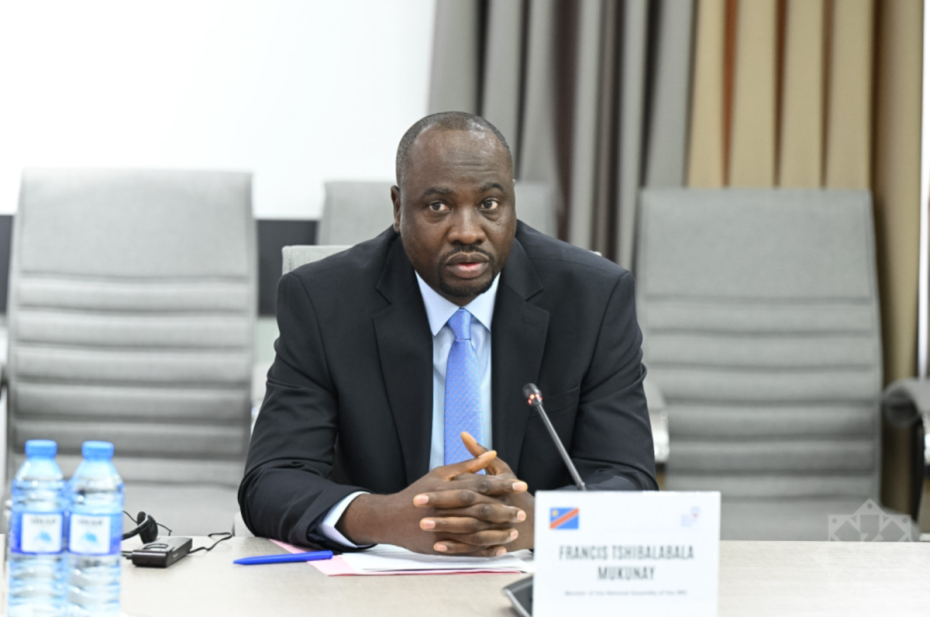
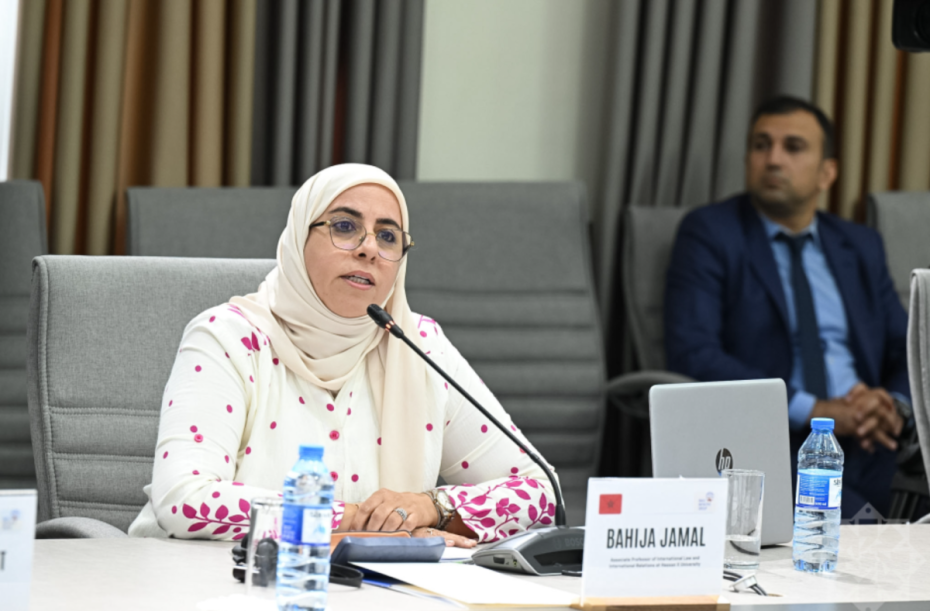
It brings together representatives from the Democratic Republic of the Congo (DRC), Rwanda and Burundi, along with participants from Morocco, South Africa and the United Nations.
The organisers say the meeting is intended to move the debate beyond historical acknowledgement and towards concrete questions of accountability, including an official apology, reparations, access to colonial archives and the return of cultural and human remains.
A legacy that still shapes lives
Belgium’s colonial history in Central Africa stretches back more than a century.
King Leopold II established the Congo Free State in 1885 as his personal possession, before the territory was transferred to the Belgian state and became the Belgian Congo in 1908. The Congo Free State was marked by forced labour, violence and exploitation, particularly in the extraction of rubber and other resources. It left a deep and contested legacy that continues to shape discussions about Belgium’s colonial responsibility today.
Belgium later administered Rwanda and Burundi, initially under a League of Nations mandate and, after 1946, under a United Nations trusteeship. Belgian colonial rule reinforced and institutionalised existing social distinctions, making ethnic categories more rigid through administrative practices and contributing to political and social structures whose consequences extended well beyond independence.
For representatives of the affected countries, these are not simply chapters in a history book. They are part of a legacy that continues to affect institutions, communities and relations between former colonial powers and African states.
Calls for an official apology
One of the central issues at the Baku meeting will be the demand for Belgium to formally acknowledge responsibility for abuses committed during the colonial period.
Baku Initiative Group says Belgium has stopped short of issuing a state apology for crimes committed in the DRC, Rwanda and Burundi. Instead, Belgian officials have at times expressed “deep regret”.
The distinction matters to campaigners because, in their view, regret does not carry the same political or legal weight as a formal apology and acknowledgement of responsibility.
The conference will therefore examine whether Belgium should place the question of colonial reparations on the international agenda, including through the UN Human Rights Council.
The debate comes against a wider international push to address the legacy of colonialism, slavery and other forms of historical injustice.
Across Africa and Europe, governments, museums and campaigners are increasingly debating how historical responsibility should be recognised and whether restitution or financial compensation should form part of that process.
What does reparation mean?
The organisers point to UN General Assembly Resolution 60/147, which sets out principles concerning victims’ rights to remedies and reparations.
The framework recognises several forms of reparation, including restitution and compensation, as well as rehabilitation and measures described as “satisfaction”.
These can include public acknowledgement of wrongdoing, official apologies and guarantees that abuses will not be repeated.
For the Baku conference, the question is how those principles should apply to the legacy of colonial rule.
The organisers argue that Belgium has yet to meet these expectations fully and that a meaningful process would require more than statements of regret. It would involve establishing a transparent historical record, recognising victims and their descendants, and agreeing practical measures with the countries concerned.
The battle over colonial archives
Access to Belgium’s colonial archives is another major issue on the conference agenda. Researchers and representatives from the DRC, Rwanda and Burundi are expected to argue for full and unrestricted access to historical records held in Belgium.
Such documents could provide important evidence about colonial administration, economic exploitation, political decision-making and abuses committed during the period.
The issue is not merely academic. Access to archives can determine how historical responsibility is established and can help communities trace the origins of land disputes, forced displacement, cultural losses and other grievances.
Baku Initiative Group says specialists from the former Belgian colonies still do not have full access to relevant colonial-era documents. The organisers describe this as part of a wider failure to conduct a sufficiently transparent examination of Belgium’s historical responsibility.
Cultural heritage and human remains
The conference will also address the question of objects and human remains taken from Central Africa during the colonial era.
According to the organisers, about 84,000 cultural heritage objects have been inventoried, but the information in that inventory is not publicly accessible. They also say the repatriation of artefacts has moved slowly, with bilateral restitution agreements yet to be concluded.
The return of human remains is likely to be an equally sensitive issue.
European museums have increasingly faced demands to return remains and cultural objects acquired during the colonial period.
For African governments and communities, restitution is often seen not simply as the return of physical objects, but an important step towards restoring dignity and control over cultural heritage.
Who will attend?
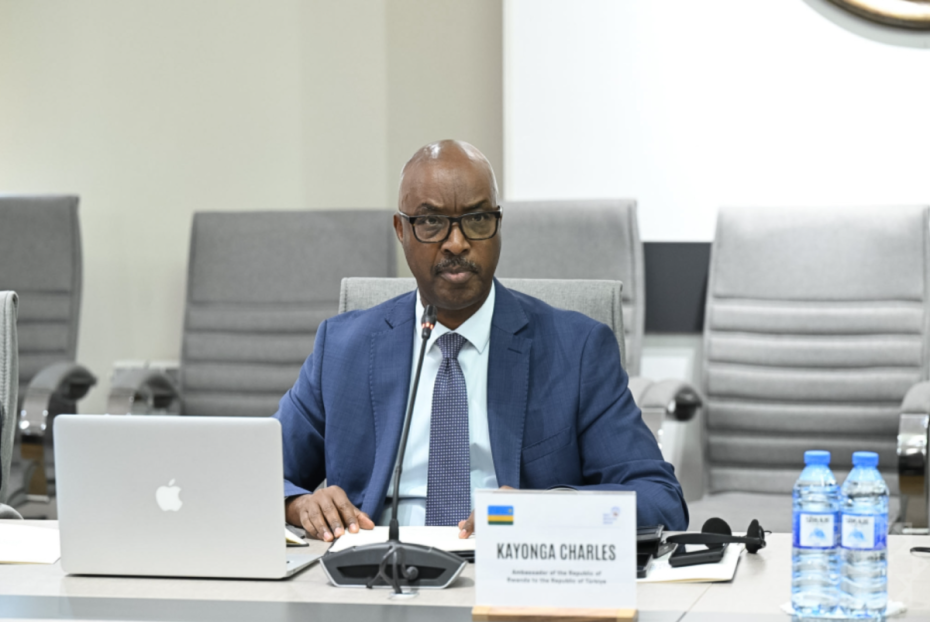
The Baku conference includes the Ombudsman of the DRC, members of the Congolese Parliament, Rwanda’s ambassador and diplomats in Türkiye, as well as UN experts.
Researchers specialising in international law, historical justice and reparations are also taking part, alongside human rights advocates and other experts.
Read more articles about colonial legacies:

















What is your opinion on this topic?
Leave the first comment