The United Nations Committee on the Elimination of Racial Discrimination (CERD) has warned that France risks undermining the self-determination rights of the Kanak Indigenous People in New Caledonia amid proposed political and constitutional reforms.
Acting under its Early Warning and Urgent Action Procedure, the committee called on France to ensure that any measures linked to New Caledonia’s decolonisation and political future are carried out only through transparent and meaningful consultations with Kanak representative institutions.
The committee said recent efforts to alter the political framework established by the Nouméa Accord could weaken core protections embedded within the agreement, including the principle of “irreversibility” tied to the territory’s decolonisation process.
Signed in 1998, the accord laid out a gradual path towards greater autonomy for New Caledonia, recognised Kanak identity, and created a mechanism for the territory’s population to determine its political future through self-determination votes.
According to the committee, the proposed reforms could negatively affect rights protected under the international convention, particularly the Kanak people’s right to political participation.
Allegations of exclusion from negotiations
The UN body expressed concern that reforms affecting the Kanak Indigenous People had reportedly advanced without proper consultation or effective participation from their representative institutions.
It pointed to reports that negotiations held behind closed doors in Bougival in early 2025 between French authorities and political actors resulted in a new agreement on New Caledonia’s future, alongside a draft bill seeking to expand the territory’s electoral body.
The committee said these steps were allegedly pursued without securing the free, prior and informed consent of the Kanak Indigenous People. It also warned that the current process promoted by the French government no longer appeared to constitute a genuinely multilateral negotiation involving the people of New Caledonia.
Calls for inclusive dialogue and consent
The committee urged France to adopt immediate and concrete measures to guarantee the effective participation of the Kanak Indigenous People in public affairs and ensure that any reforms are based on inclusive and participatory dialogue.
It stressed that all measures connected to New Caledonia’s decolonisation and self-determination process should involve consultations aimed at obtaining the free, prior and informed consent of the Kanak people.
Concerns over use of force during protests
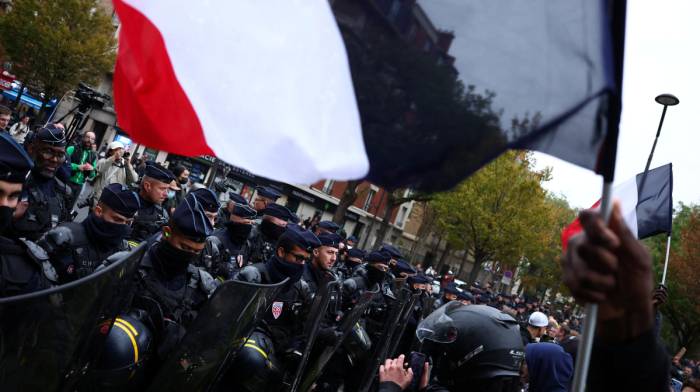
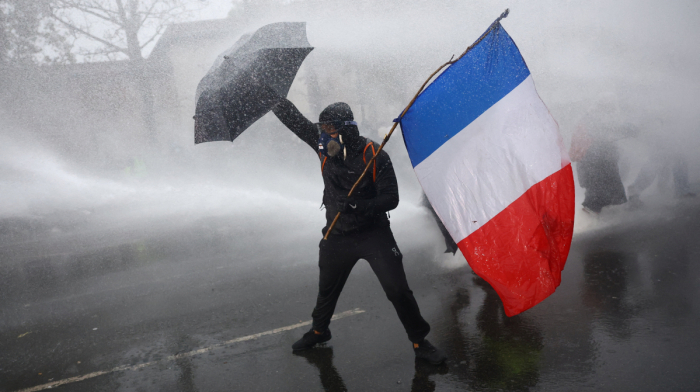
The committee also voiced deep concern over allegations of excessive and disproportionate use of force by law enforcement during demonstrations in May 2024 linked to the proposed reforms.
It further raised concerns over reports that several Kanak human rights defenders associated with the independence movement had been transferred to prisons in mainland France without consent.
The UN body called on France to ensure that all allegations of excessive force since May 2024 are investigated promptly, independently and effectively, and that those responsible are prosecuted where appropriate. It also said victims should receive full reparations.
















What is your opinion on this topic?
Leave the first comment