



11:16 CET
Nuclear security
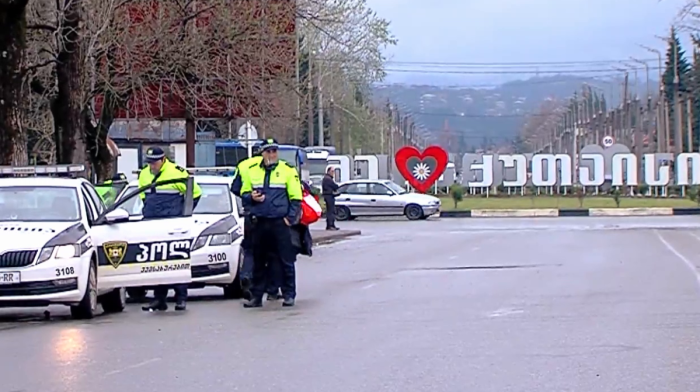
Georgia arrests man over attempted $700,000 uranium sale
Georgia has detained a man ...
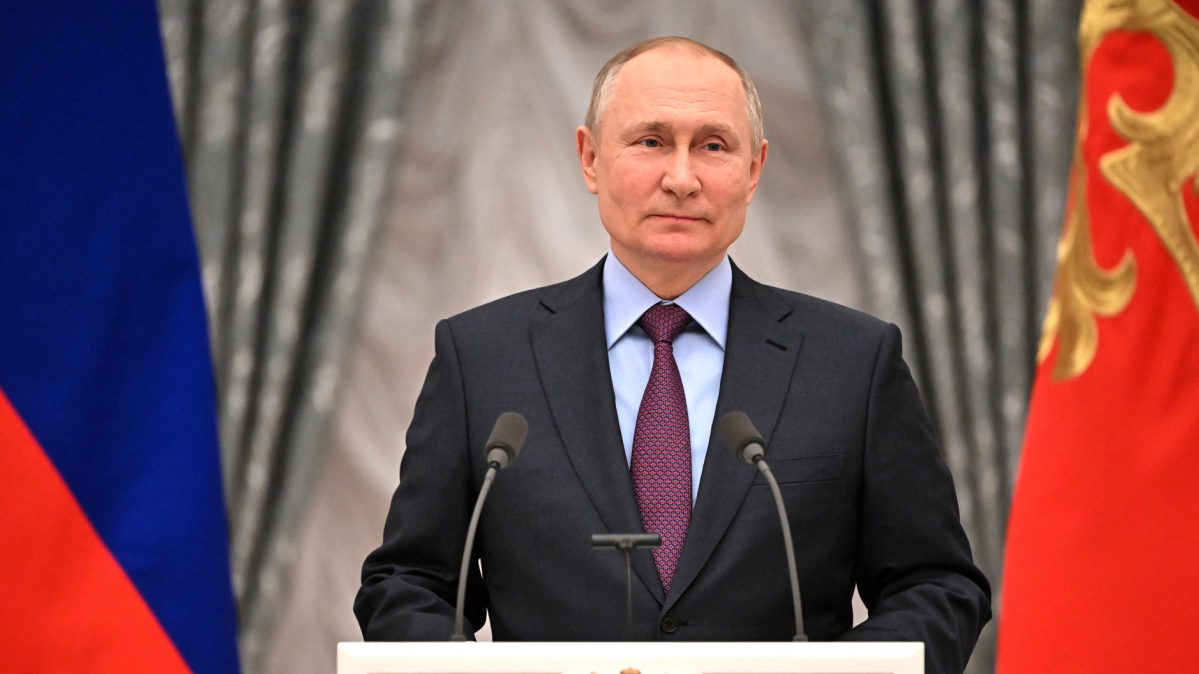


Russian President Vladimir Putin will visit Kyrgyzstan on 27 November to attend the summit of the Collective Security Treaty Organisation (CSTO).
The main purpose of the visit is to participate in the organisation’s meeting and discuss measures to ensure the security of the southern borders of the post-Soviet space, where Russia maintains a significant military and political presence.
The Collective Security Treaty Organization (CSTO) is a military alliance of six post-Soviet states: Russia, Armenia, Kazakhstan, Kyrgyzstan, Tajikistan, and Belarus.
Central Asia remains strategically important due to the situation in Afghanistan, which continues to pose a source of instability for neighbouring countries.
Russia maintains a military presence through bases in Tajikistan and Kyrgyzstan. In Tajikistan, the 201st military base operates with motorised rifle, tank, and artillery units.
While in Kyrgyzstan, the Kant airbase hosts Su-25SM aircraft and Mi-8MTV helicopters, providing a continuous operational presence for Russian forces in the region.
In addition to security matters, the visit will cover economic and technological cooperation. Key topics include the involvement of the Russian company Rosatom in the construction of a nuclear power plant, increased deliveries of fuel and lubricants, and the regulation of labour migration, which remains significant for the Russian economy despite stricter migration legislation.
The summit will also address organisational issues. Kyrgyzstan is putting forward a candidate for the post of CSTO Secretary-General as part of the rotation of leadership, providing an opportunity for member states to align positions on security and regional cooperation.
Overall, the visit combines military, political, and economic aspects. The CSTO summit will provide a forum for discussing coordinated approaches to maintaining stability and facilitating cooperation among Central Asian states.
Established in 2002 for the purpose of collective defence, the CSTO offers protection to members from threats to their security, territory, or sovereignty.
Headquartered in Moscow, the organization is often positioned as the Eurasian equivalent of the North Atlantic Treaty Organization (NATO).

Georgia has detained a man ...
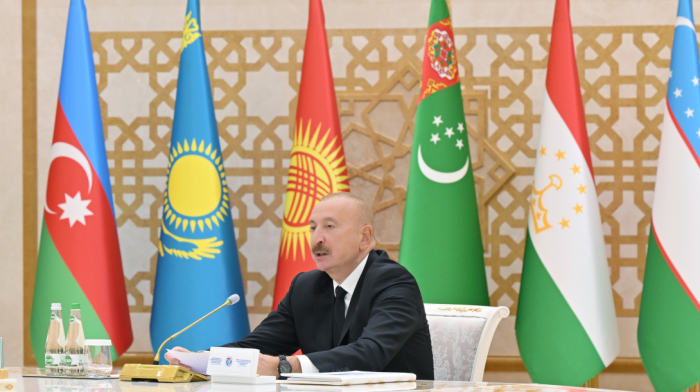
Azerbaijan and the five Central Asian states have signed two key documents at the 8th Consultative Meeting of Heads of State in Turkmenbashi, forma...
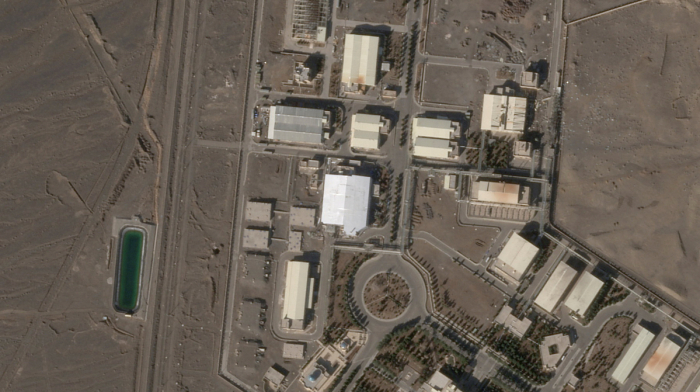
U.S. Vice President JD Vance told Reuters on Monday (5 October) that ...
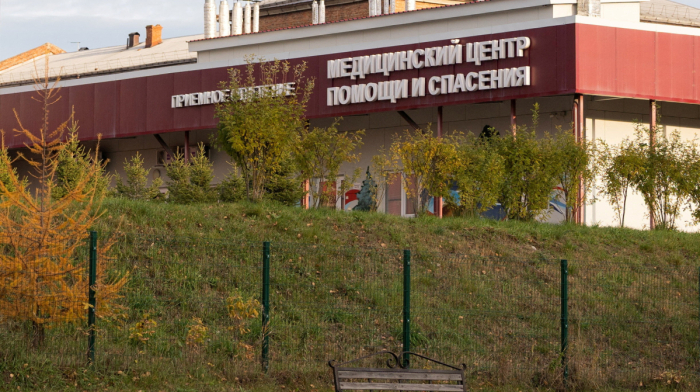
Russia's health watchdog said on Tuesday that no cases of plague had been detected among anyone who had come into contact with a Siberian plague institute laboratory worker who died last week, and locals said their lives had barely been disrupted.
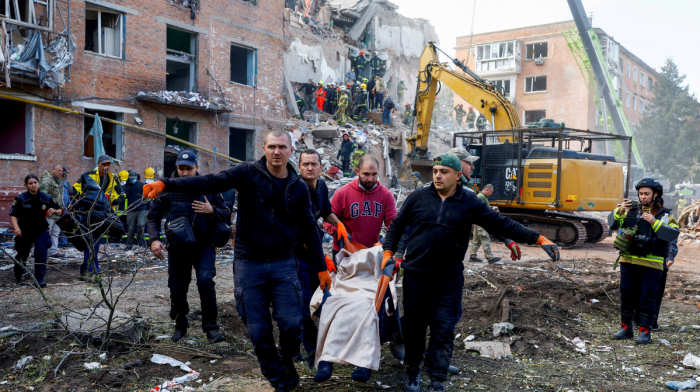
Russia struck Ukraine overnight in one of the biggest attacks of the conflict, killing at least 19 people, Kyiv's Foreign Ministry said on Wednesday. Around 70 missiles were fired at Ukraine during the attack, as well as drones, the Ministry said.
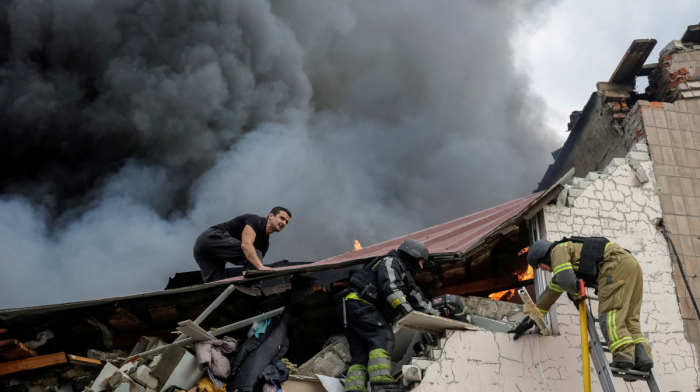
A large Ukrainian drone attack on Moscow and the surrounding region has killed two people, damaged homes and sparked a major fire at a key fuel facility, according to Russian officials and military bloggers.
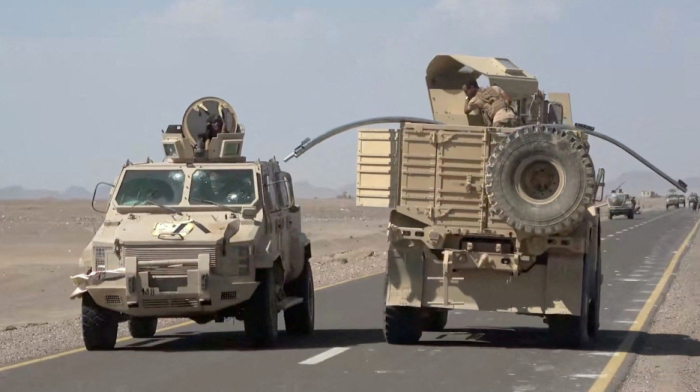
The Saudi-led coalition says it has carried out a series of military operations against Houthi targets in Yemen after attacks on two Saudi airports left three people dead and dozens injured.
Azerbaijan and the five Central Asian states have signed two key documents at the 8th Consultative Meeting of Heads of State in Turkmenbashi, formalising a broader framework for regional cooperation in transport, trade, energy, digitalisation and security.
Georgia has detained a man who planned to sell uranium-238 to a foreign national for $700,000, the national security service said on Wednesday.
Azerbaijan and the five Central Asian states have signed two key documents at the 8th Consultative Meeting of Heads of State in Turkmenbashi, formalising a broader framework for regional cooperation in transport, trade, energy, digitalisation and security.
U.S. Vice President JD Vance told Reuters on Monday (5 October) that Iran must make a “meaningful” reduction in its uranium enrichment capacity to satisfy U.S. demands and end the countries' seven-month war.
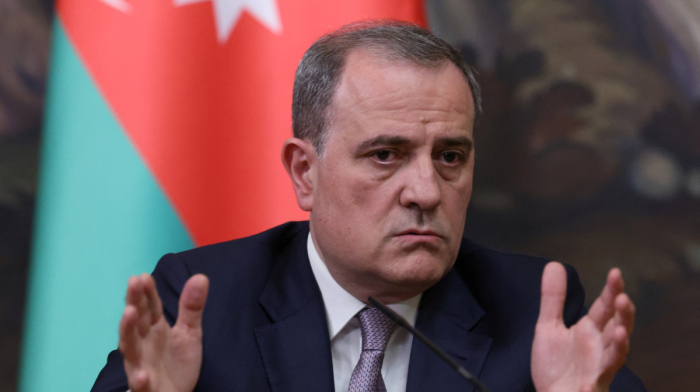
Azerbaijan’s Foreign Minister Jeyhun Bayramov has called for further integration of infrastructure between regional countries to bolster the Middle Corridor trade and logistics network.
The Saudi-led coalition says it has carried out a series of military operations against Houthi targets in Yemen after attacks on two Saudi airports left three people dead and dozens injured.
You can download the AnewZ application from Play Store and the App Store.




What is your opinion on this topic?
Leave the first comment