



11:16 CET
Nuclear security
Georgia arrests man over attempted $700,000 uranium sale
Georgia has detained a man ...
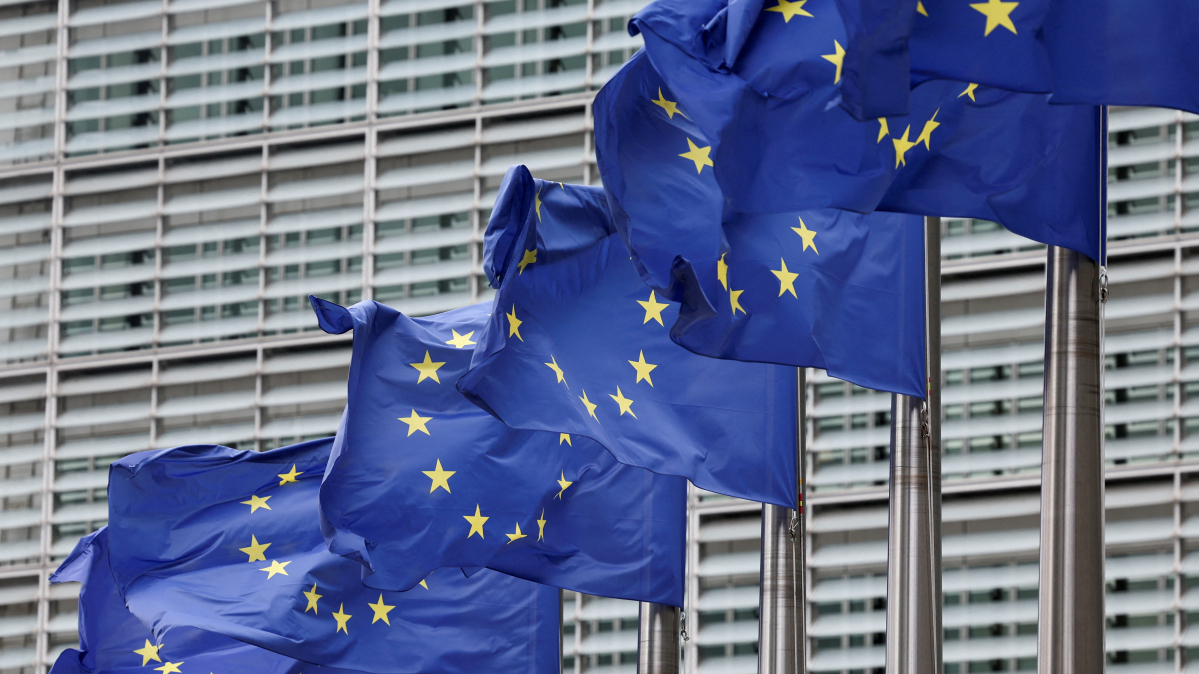


The European Union is preparing a further expansion of its sanctions against Russia, with Central Asia emerging for the first time as a distinct point of focus.
According to a draft proposal reviewed by Reuters, Brussels intends to activate its anti-circumvention mechanism against third countries. The aim is to restrict financial and technological channels that EU officials believe remain essential to sustaining the Russian economy.
The most immediate impact would be felt in Kyrgyzstan. The EU has proposed adding two local lenders, Keremet Bank and OJSC Capital Bank of Central Asia, to its sanctions list, citing their role in providing crypto-asset services used by Russia. If approved, the banks would be barred from conducting transactions with EU individuals and companies.
EU officials say the step is aimed at curbing the use of third countries as transit points for trade and financial flows into Russia. Kyrgyzstan has drawn particular attention following a surge in imports of goods restricted under EU sanctions, much of which is believed to be destined for the Russian market.
Sanctioning third countries
Similar restrictions are proposed for banks in Laos and Tajikistan, while two Chinese financial institutions are set to be removed from existing sanctions lists.
The package is not limited to banking measures. Brussels is also proposing to ban exports to Kyrgyzstan of metal-cutting machine tools and communications equipment, including devices used for voice, image and data transmission. This would mark the first formal application of the EU’s anti-circumvention tool against a third country within the sanctions framework linked to Russia’s war in Ukraine.
All measures form part of the EU’s 20th sanctions package, jointly drafted by the European External Action Service and the European Commission and presented to member states on Monday. Adoption requires unanimous approval from all EU countries. Commission President Ursula von der Leyen said the package included broad sectoral restrictions and signalled a shift away from the G7 price cap on Russian oil towards a full ban on maritime services related to its transport.
The proposal also widens existing trade restrictions. New import bans would cover nickel bars, iron ores and concentrates, unrefined and processed copper, as well as various types of scrap metal, including aluminium. The list also includes salt, ammonia, pebbles, silicon and furskins.
In parallel, the EU is seeking to extend its framework of asset freezes and travel bans. The proposal would add 30 individuals and 64 companies, including Bashneft, a subsidiary of the Russian oil group Rosneft, as well as eight Russian oil refineries. Among them are the Tuapse and Syzran plants, both controlled by Rosneft. The document stops short of listing Rosneft itself or Lukoil, which are already subject to US sanctions.
The measures reflect the EU’s effort to recalibrate its sanctions strategy. The focus is shifting beyond Russian entities to the international financial, trade and logistics networks that Brussels believes continue to support Russia’s energy exports and access to critical technologies.

Georgia has detained a man ...
Azerbaijan and the five Central Asian states have signed two key documents at the 8th Consultative Meeting of Heads of State in Turkmenbashi, forma...
U.S. Vice President JD Vance told Reuters on Monday (5 October) that ...
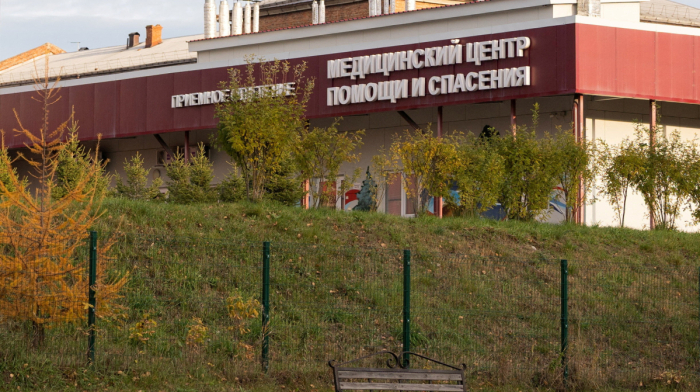
Russia's health watchdog said on Tuesday that no cases of plague had been detected among anyone who had come into contact with a Siberian plague institute laboratory worker who died last week, and locals said their lives had barely been disrupted.
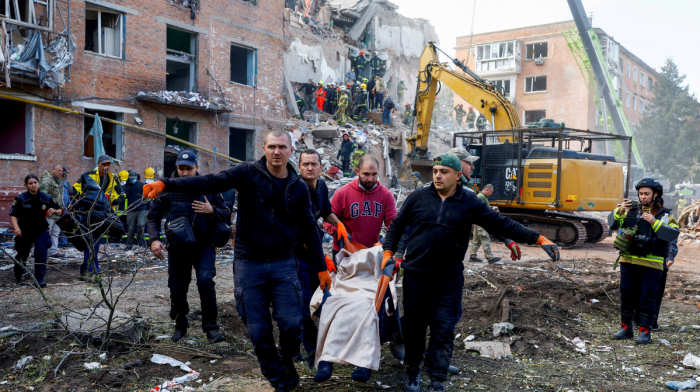
Russia struck Ukraine overnight in one of the biggest attacks of the conflict, killing at least 19 people, Kyiv's Foreign Ministry said on Wednesday. Around 70 missiles were fired at Ukraine during the attack, as well as drones, the Ministry said.
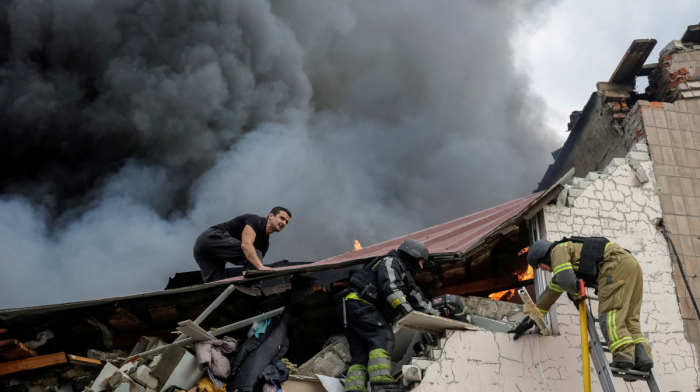
A large Ukrainian drone attack on Moscow and the surrounding region has killed two people, damaged homes and sparked a major fire at a key fuel facility, according to Russian officials and military bloggers.
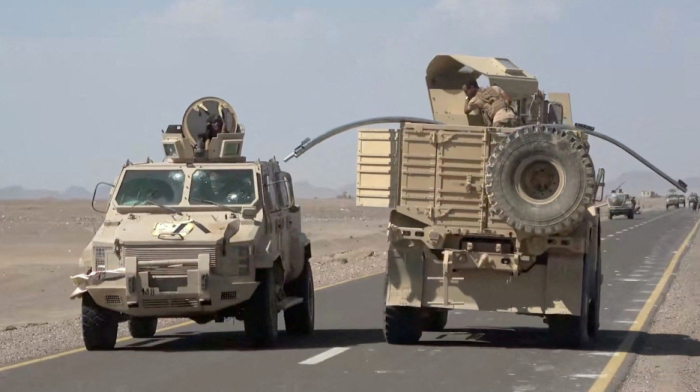
The Saudi-led coalition says it has carried out a series of military operations against Houthi targets in Yemen after attacks on two Saudi airports left three people dead and dozens injured.
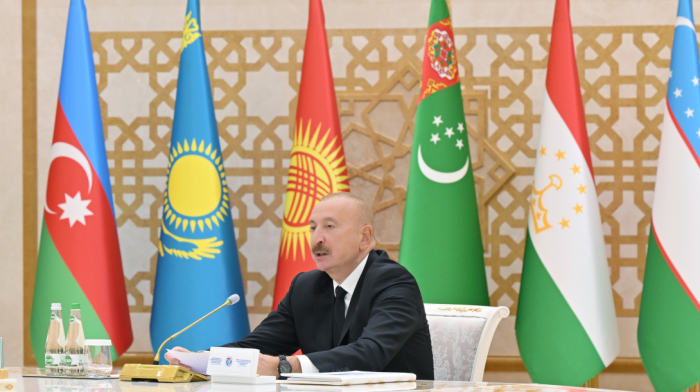
Azerbaijan and the five Central Asian states have signed two key documents at the 8th Consultative Meeting of Heads of State in Turkmenbashi, formalising a broader framework for regional cooperation in transport, trade, energy, digitalisation and security.
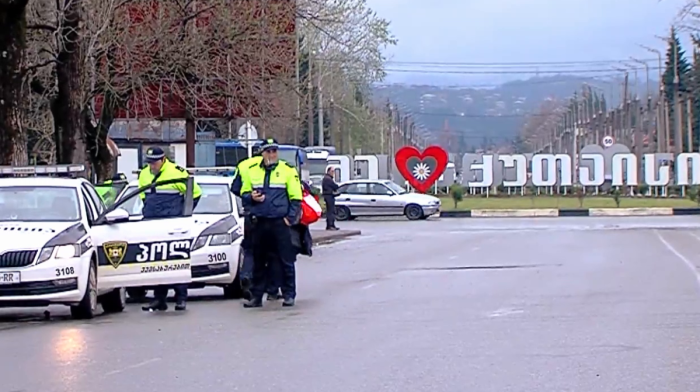
Georgia has detained a man who planned to sell uranium-238 to a foreign national for $700,000, the national security service said on Wednesday.
Azerbaijan and the five Central Asian states have signed two key documents at the 8th Consultative Meeting of Heads of State in Turkmenbashi, formalising a broader framework for regional cooperation in transport, trade, energy, digitalisation and security.
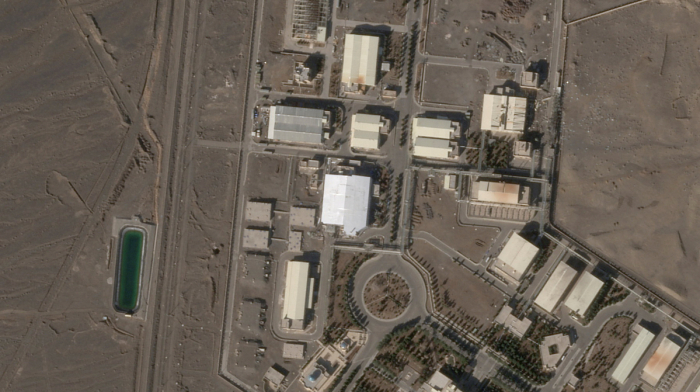
U.S. Vice President JD Vance told Reuters on Monday (5 October) that Iran must make a “meaningful” reduction in its uranium enrichment capacity to satisfy U.S. demands and end the countries' seven-month war.
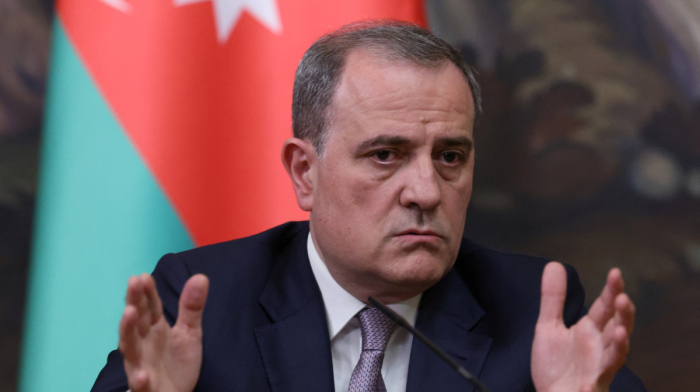
Azerbaijan’s Foreign Minister Jeyhun Bayramov has called for further integration of infrastructure between regional countries to bolster the Middle Corridor trade and logistics network.
The Saudi-led coalition says it has carried out a series of military operations against Houthi targets in Yemen after attacks on two Saudi airports left three people dead and dozens injured.
You can download the AnewZ application from Play Store and the App Store.




What is your opinion on this topic?
Leave the first comment