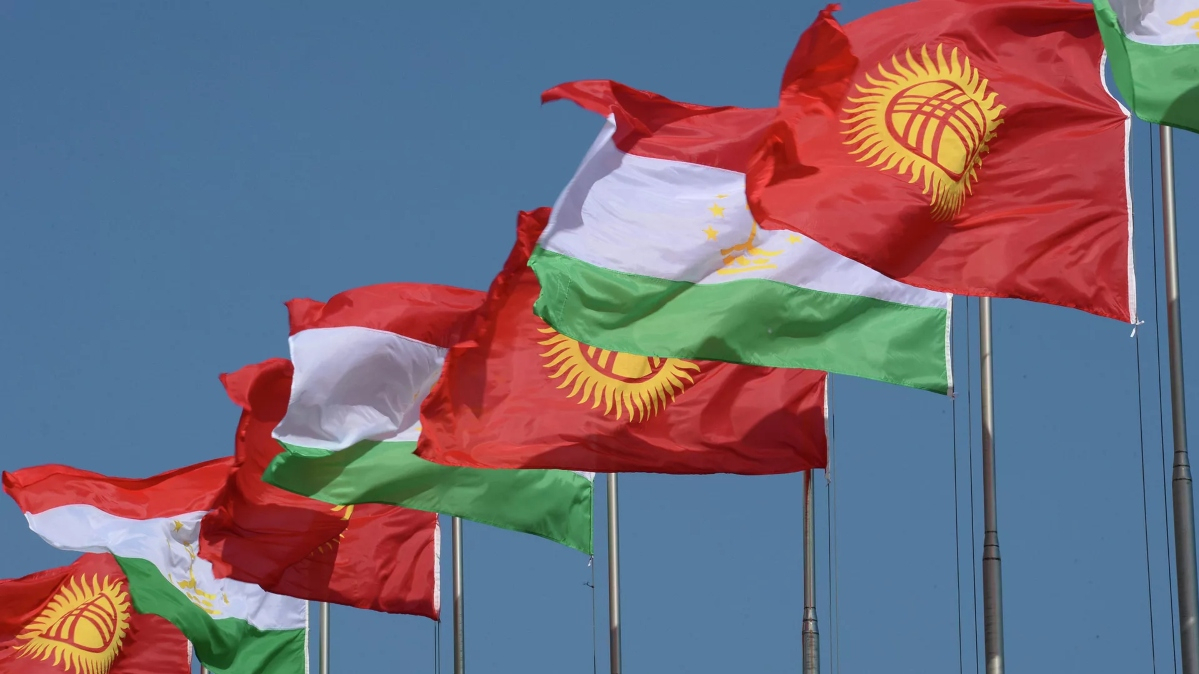
Trade turnover between Kyrgyzstan and Tajikistan reached $33.4m in 2025, almost three times higher than the previous year, according to data from Tajikistan’s Customs Service.
Mutual trade stood at about $11.6m in 2024, meaning turnover rose by 187.9% year on year. The increase marks a recovery in bilateral trade after several years of decline.
Significant changes were also recorded in the structure of trade.
Exports from Tajikistan to Kyrgyzstan rose sharply, increasing from $475,000 in 2024 to $9m in 2025. Analysts say this points to an expansion of trade flows and a gradual restoration of economic ties that had previously remained limited.
Over the past decade, trade and economic relations between the two countries have developed unevenly, with periods of growth followed by downturns.
The highest trade turnover was recorded in 2018 and 2019, when it reached nearly $60m. At that time, more than $48m came from imports from Kyrgyzstan, while exports from Tajikistan exceeded $14m.
Trade volumes fell significantly in subsequent years, reflecting a deterioration in bilateral relations.
A sharp downturn followed armed clashes on the Kyrgyz-Tajik border in 2022, which led to a serious worsening of ties and the effective closure of the border.
The situation has begun to change gradually over the past two years. In March 2025, Dushanbe and Bishkek signed an agreement on the state border and opened two border crossing points, allowing cross-border movement to resume after more than four years.
The agreement was ratified by both countries’ parliaments on 18 and 19 March.
Analysts link the rise in trade turnover in 2025 directly to these developments.
Key factors include the delimitation of the state border, closer political dialogue, the signing of intergovernmental agreements and the opening of new border checkpoints, all of which have created more favourable conditions for trade.
Previously agreed humanitarian measures have also regained relevance. In mid-January, Tajikistan’s parliament approved an agreement allowing citizens of both countries to stay on each other’s territory for up to 60 days without official registration.
The agreement was signed on 1 February 2018 in Dushanbe.
Presenting the document to lawmakers, First Deputy Interior Minister Abdurakhmon Alamshozoda said it would help develop friendly relations, provide a legal framework for travel and create more favourable conditions for citizens of both countries.
While trade volumes remain below their late-2010s peak, the growth recorded in 2025 reflects a cautious recovery in economic engagement alongside gradual improvements in relations between Kyrgyzstan and Tajikistan.
















What is your opinion on this topic?
Leave the first comment