Israel has launched wide-ranging attacks on Tehran’s infrastructure as the week‑long Middle East conflict widens, as U.S. President Donald Trump encourages Iranian Kurdish forces in Iraq to attack Iran.
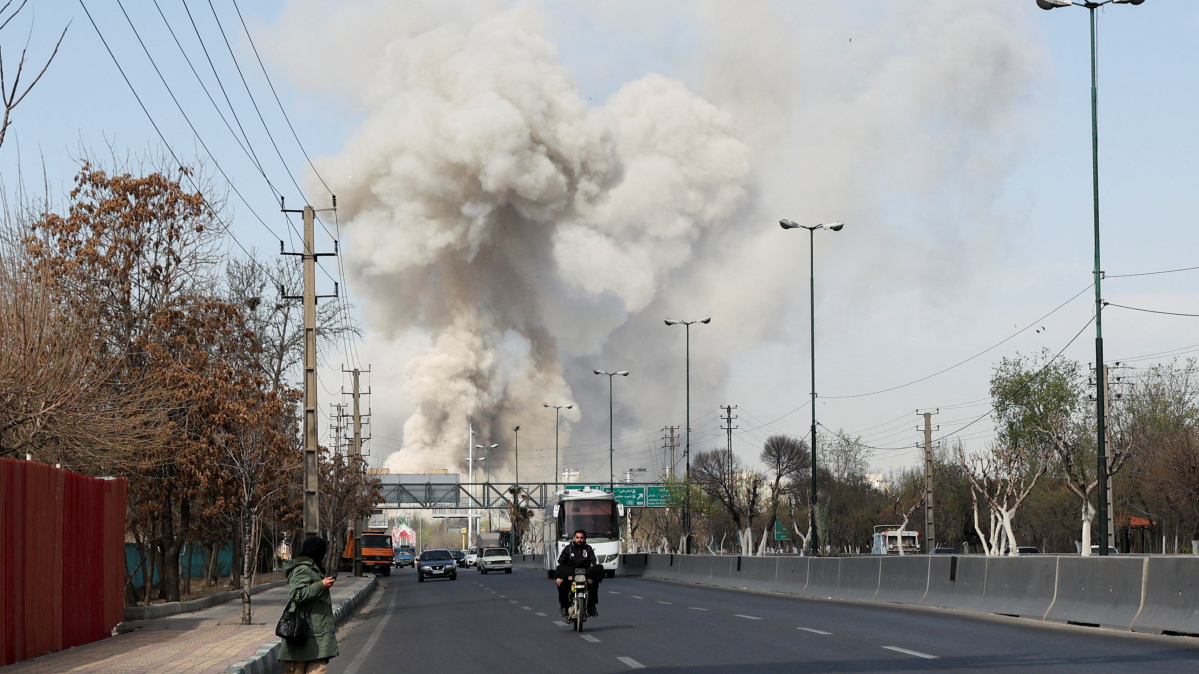
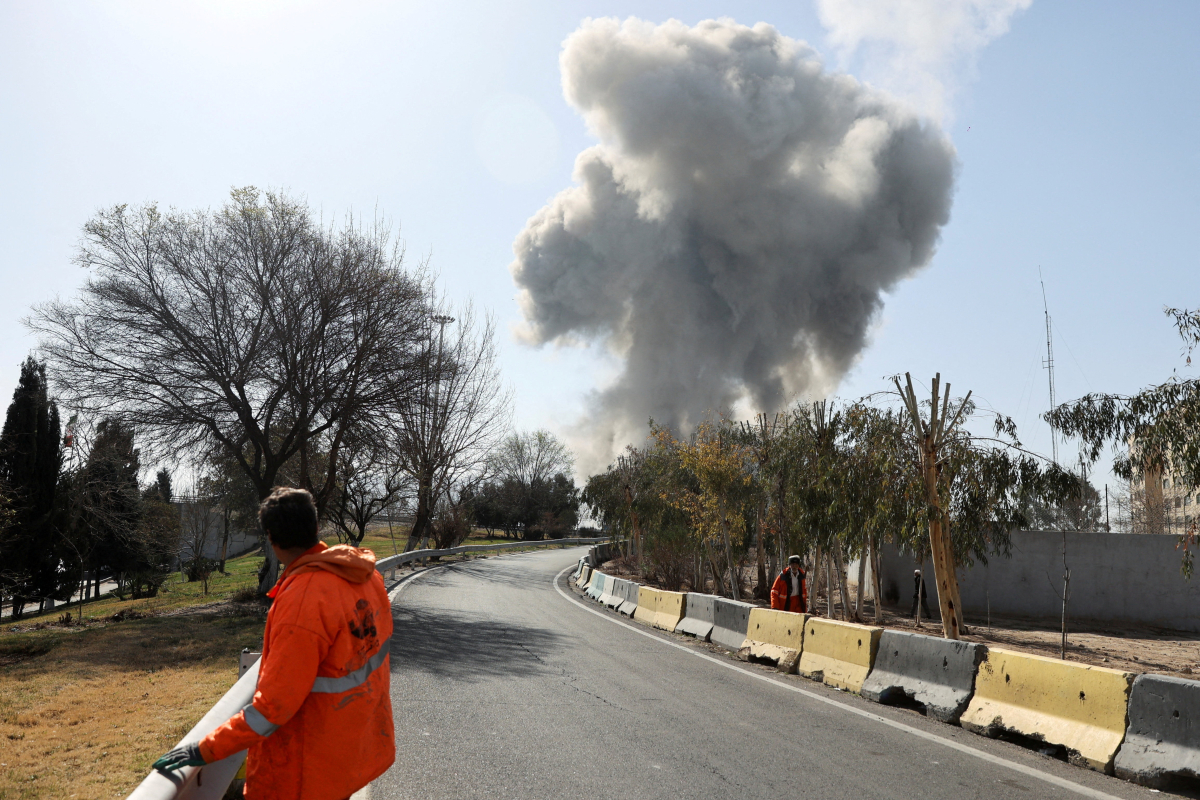
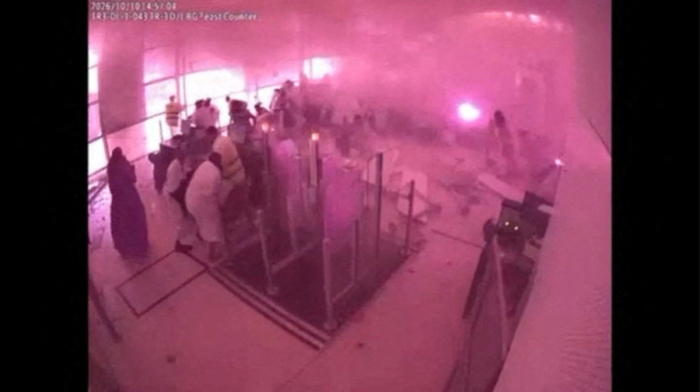
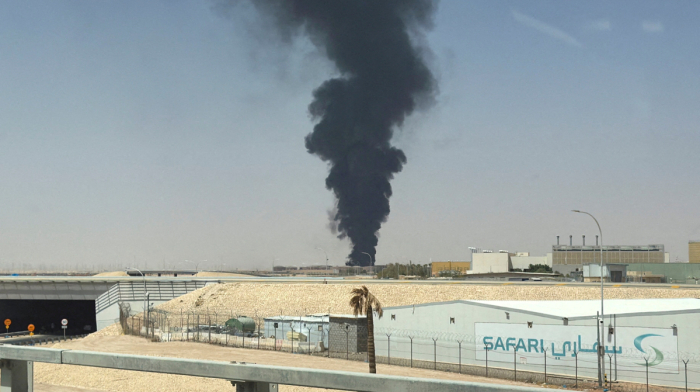
Israel on Friday (6 March) said it had started a "broad-scale" wave of attacks against infrastructure targets in Tehran, as Gulf cities came under renewed bombardment by Iran.
The seven-day war has now seen Iran target Israel, the Gulf states, southern Cyprus, Türkiye and Azerbaijan, and spread to the Indian Ocean off Sri Lanka where a U.S. submarine sank an Iranian naval ship.
On the possibility of the Iranian Kurdish forces entering Iran, Trump told Reuters on Thursday: "I think it's wonderful that they want to do that, I'd be all for it."
Iranian Kurdish militias have consulted with the United States in recent days about whether, and how, to attack Iran's security forces in the western part of the country, according to three sources with knowledge of the matter.
The Iranian Kurdish coalition of groups based on the Iran-Iraq border in the semi-autonomous region of Iraqi Kurdistan has reportedly been training to mount such an attack in hopes of weakening the country's military.
Trump, speaking with Reuters in a telephone interview, also said the United States must have a role in deciding who will be the next leader of Iran after airstrikes killed Supreme Leader Ayatollah Ali Khamenei last week.
"We're going to have to choose that person along with Iran. We're going to have to choose that person," he said.
U.S. Defence Secretary Pete Hegseth said on Thursday that the U.S. was not expanding its military objectives in Iran, despite what Trump said about choosing the country's next leader.
"There's no expansion in our objectives. We know exactly what we're trying to achieve," he said.
U.S. munitions full
Hegseth and Admiral Brad Cooper, who leads U.S. forces in the Middle East, said during a briefing about operations that the U.S. has enough munitions to continue its bombardment indefinitely.
"Iran is hoping that we cannot sustain this, which is a really bad miscalculation," Hegseth told reporters at Central Command headquarters in Florida.
"Our munitions are full up and our will is ironclad," he said.
The Pentagon earlier this week said the military campaign, known as Operation Epic Fury, is focused on destroying Iran's missiles, missile production and navy, while not allowing Tehran to have a nuclear weapon.
Cooper said the U.S. had now hit at least 30 Iranian ships, including a large drone carrier that he said was the size of a World War Two aircraft carrier.
He added that B-2 bombers had in the past few hours dropped dozens of 2,000 penetrator bombs targeting deeply buried ballistic missile launchers, and that bombings were also targeting Iran's missile production facilities.
Iran's ballistic missile attacks had decreased by 90% since the first day of the war, while drone attacks had decreased by 83% in that time frame, he said.
In Iran, at least 1,230 people have been killed, according to the Iranian Red Crescent Society, including 175 schoolgirls and staff killed at a primary school in Minab in the country's south on the first day of the war.
Another 77 have been killed in Lebanon, its Health Ministry says. Thousands fled southern Beirut on Thursday after Israel warned residents to leave.













What is your opinion on this topic?
Leave the first comment