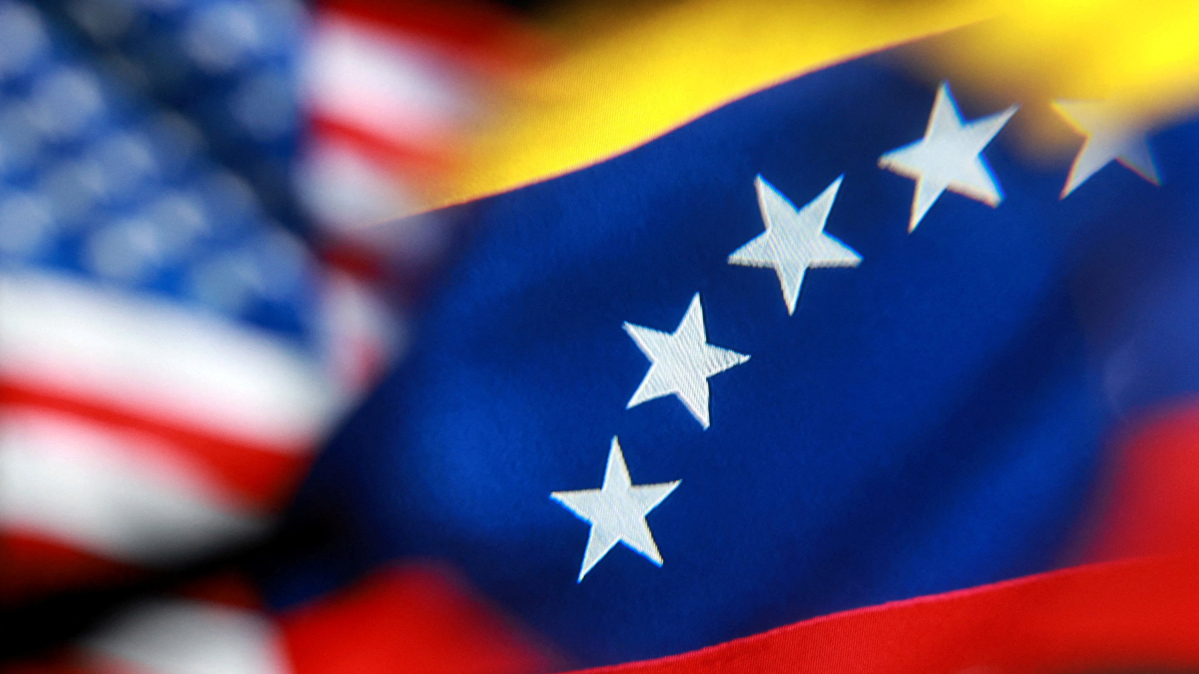
The United States and interim authorities in Venezuela have agreed to re-establish diplomatic and consular relations, the U.S. State Department said on Thursday (5 February), aiming to foster a peaceful transition to elect a new government in the South American country.
"This step will facilitate our joint efforts to promote stability, support economic recovery, and advance political reconciliation in Venezuela," the State Department said in a statement.
"Our engagement is focused on helping the Venezuelan people move forward through a phased process that creates the conditions for a peaceful transition to a democratically elected government."
After months of heightened tensions, the U.S. captured Venezuela's President Nicolás Maduro in January, setting off a chain of changes in the country, including the swearing-in of interim President Delcy Rodríguez.
The two countries have since gradually resumed bilateral relations, after Rodríguez's interim government expressed interest in rebuilding ties with Washington with diplomatic missions in both countries following Maduro's capture.
U.S. embassy in Caracas, which closed in 2019, has already reopened with a new U.S. diplomat appointed to Venezuela.
"The Bolivarian Government reaffirms its willingness to move forward in a new phase of constructive dialogue based on mutual respect, sovereign equality of states, and cooperation between our peoples," the Venezuelan government said in a statement shared on Thursday.
"Venezuela expresses its confidence that this process will contribute to strengthening understanding and opening opportunities for a positive and mutually beneficial relationship," it said.
Typhoon Champi swept past Taiwan on Saturday, leaving one person dead and more than 500 injured as strong winds and torrential rain brought down trees, cut power and disrupted transport across the island.
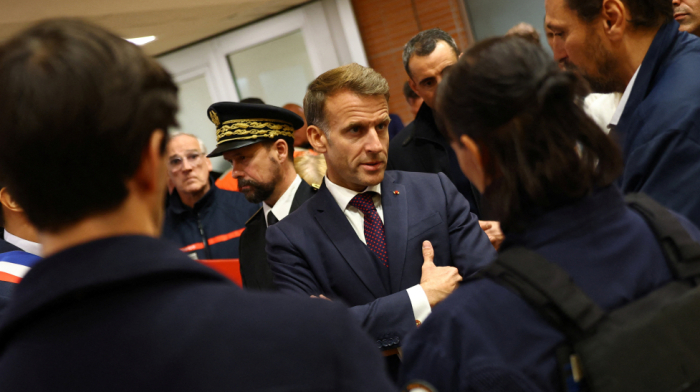
French President Emmanuel Macron on Friday described a deadly shooting in the towns of Trappes and La Verrière, west of Paris, as a racist attack and ‘a turning point’ for the country.
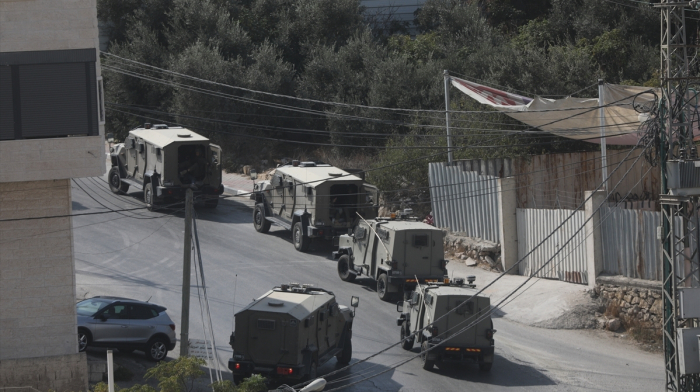
Israeli forces have maintained a tight closure on Hebron in the occupied West Bank for a second day, with Palestinian media reporting home raids, mass detentions and dozens of residents forced outside following a shooting incident the day before.
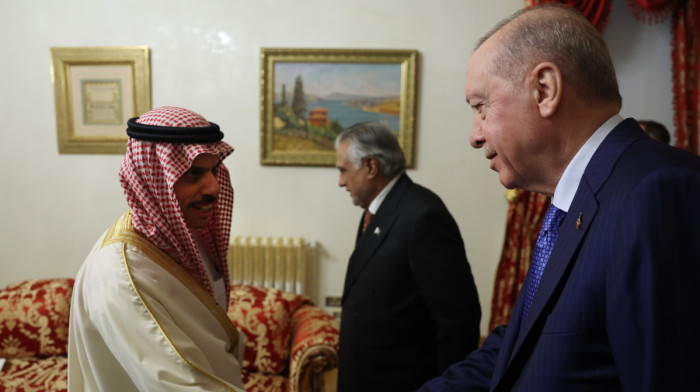
Foreign ministers meeting in Istanbul on Friday warned that renewed military strikes on Iran could deepen the regional conflict, urging diplomatic efforts to prevent further escalation.
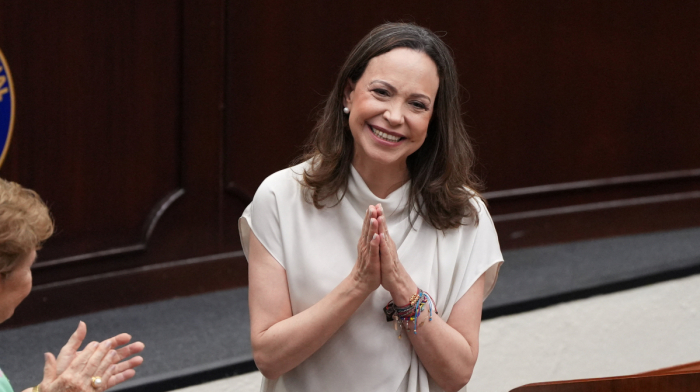
Venezuelan opposition leader María Corina Machado has returned to the South American nation almost a year after she secretly left the country to travel to Norway for the Nobel Peace Prize ceremony.
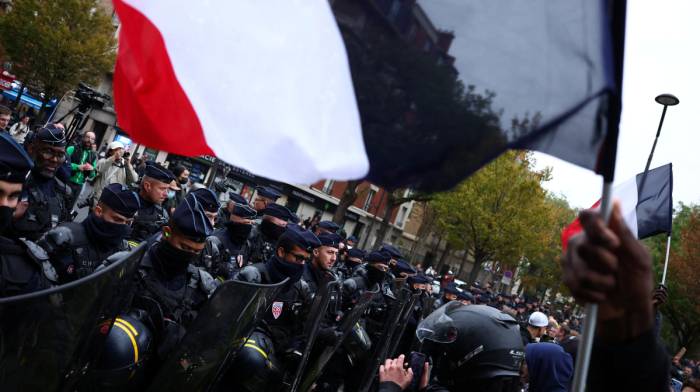
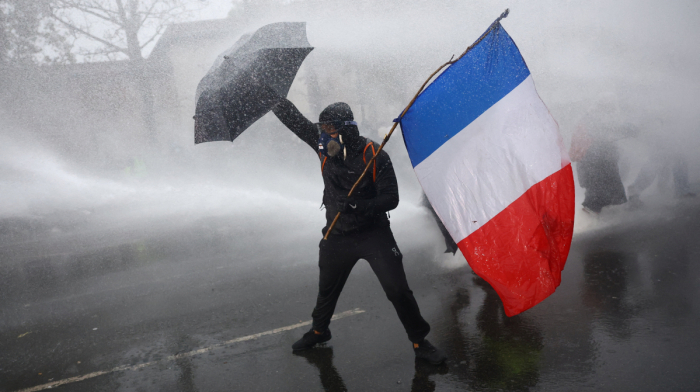
Riot police fired tear gas at protesters in France’s largest cities and more than 1,300 people were arrested during demonstrations against the rising cost of living on Saturday (24 October). Police also used a water cannon on a group of around 500 hooded youths in Paris, after the main rally ended.
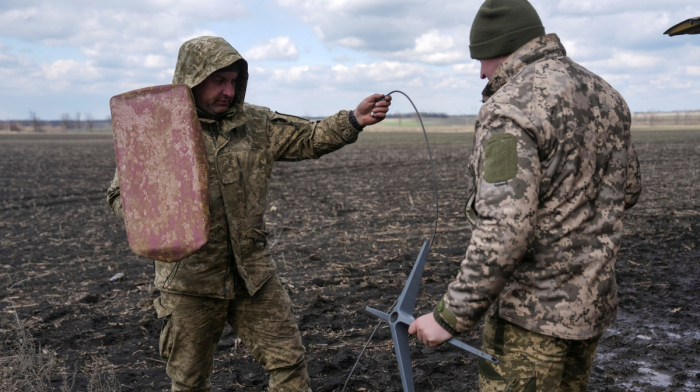
Ukraine's military has been hit this month by restrictions on Starshield, the military version of SpaceX's Starlink satellite communications system. Its receivers stopped functioning when mounted on fast-moving objects such as drones, jeopardising some combat and air defence missions.
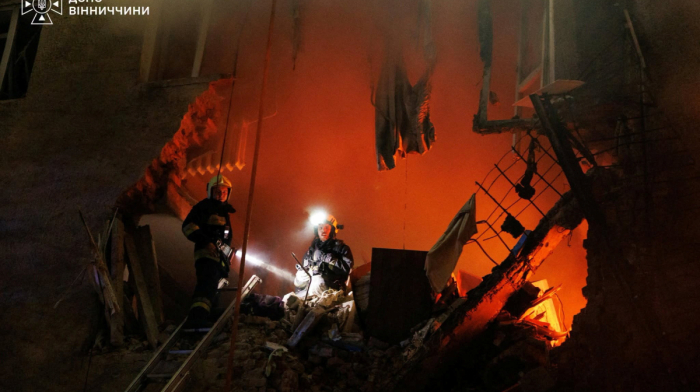
At least five people were killed and several others injured in overnight attacks across Russia and Ukraine on Sunday, 25 October, as officials reported strikes on residential areas and industrial facilities, while Moscow claimed to have targeted logistics infrastructure and a cargo vessel.
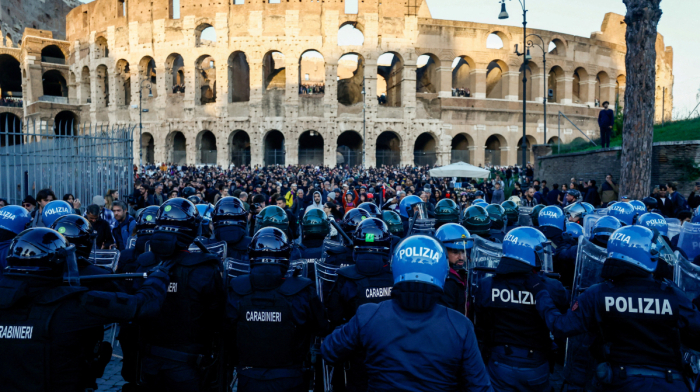
Protests against war and rising living costs took place in major Italian cities on Saturday, with some incidents of violence and clashes, a week after unrest erupted across the country.
Download the AnewZ app
You can download the AnewZ application from Play Store and the App Store.











What is your opinion on this topic?
Leave the first comment