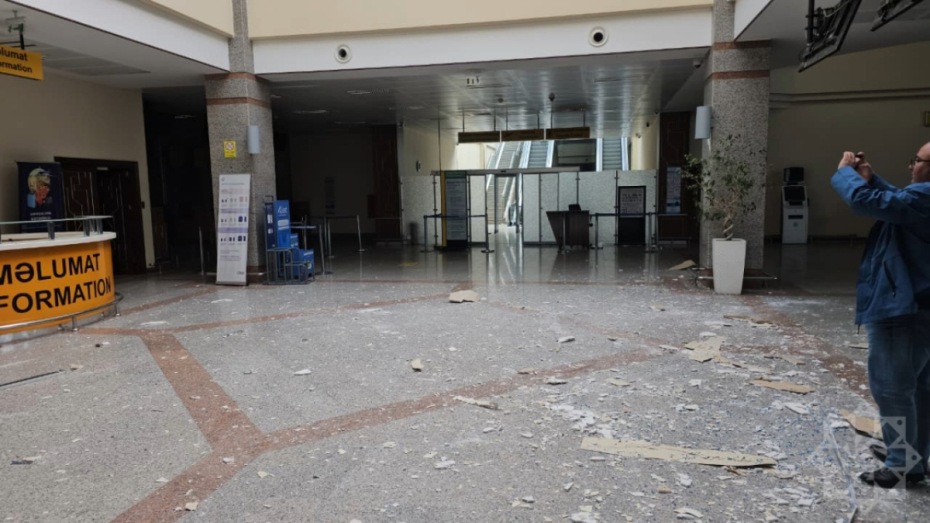
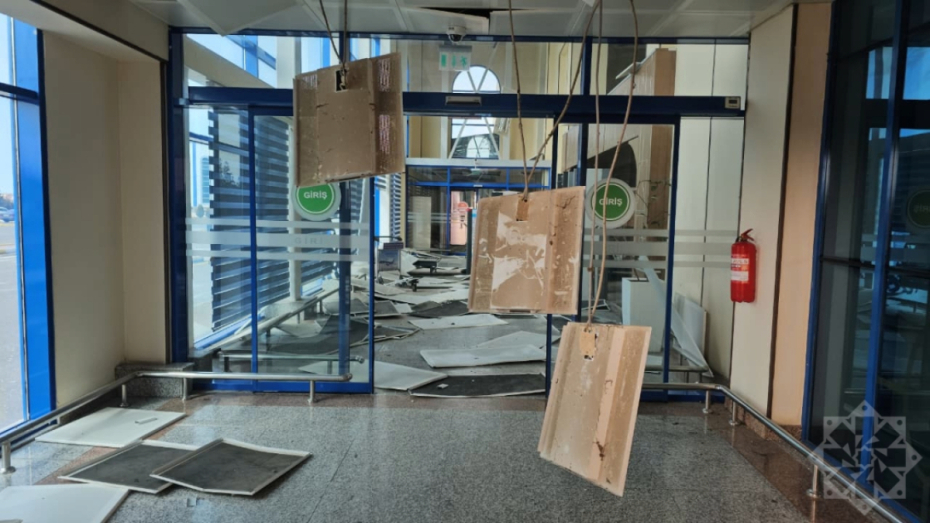
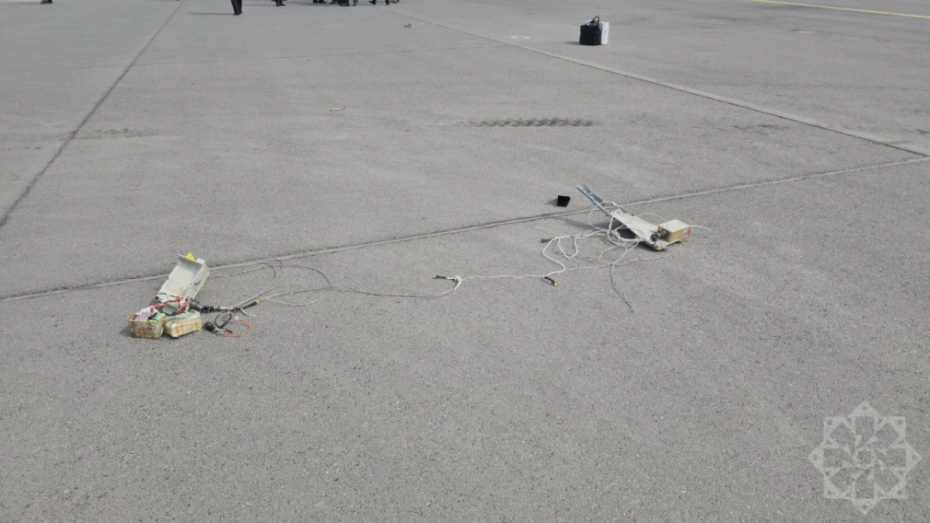
Countries and international organisations have widely condemned Iran’s drone attack on civilian infrastructure in Azerbaijan’s Nakhchivan Autonomous Republic on 5 March, expressing solidarity with Baku and denouncing the aggression. Three drones hit the area at the airport and near a school.
Qatar, Saudi Arabia, and Kuwait condemned the strikes as violations of sovereignty. Qatar’s Foreign Ministry described the UAV attacks as “acts of hostility” threatening regional stability.
Saudi Arabia described the attacks as reflecting “an unjustifiable hostile stance” and expressed full solidarity with Türkiye and Azerbaijan, emphasising their right to protect security, airspace, and citizens.
Kuwait highlighted the strikes as “clear violations of international law and the UN Charter,” reaffirming support for both countries.
European countries spoke out through social media and official statements with Lithuania’s Foreign Minister Kęstutis Budrys affirming solidarity with Azerbaijan.
Montenegro’s Foreign Ministry wrote on X, “Montenegro strongly condemns the attack by Iran on the Nakhchivan region of Azerbaijan… We stress the urgent need to reduce tensions and return to dialogue.”
#Montenegro strongly condemns the attack by Iran 🇮🇷 on the Nakhchivan region of Azerbaijan 🇦🇿.
Such actions pose a serious threat to regional security and stability. We stress the urgent need to reduce tensions and return to dialogue.
🇲🇪 stands in solidarity with the people…
— MFA Montenegro (@MFA_MNE) March 5, 2026
The French Ministry of Foreign Affairs stated on X: “France strongly condemns the attack carried out by Iranian drones this morning on Nakhchivan International Airport in Azerbaijan.”
Sophie Lagut, France’s Ambassador to Azerbaijan, also condemned the drone strike on Nakhchivan.
🇫🇷 Avropa və Xarici İşlər Nazirliyinin bəyanatı:
“Fransa bu səhər Azərbaycanda Naxçıvan Beynəlxalq Hava Limanına yönəlmiş İran dronlarının hücumunu ən qəti şəkildə pisləyir. Fransa hücum zamanı xəsarət alan dörd nəfərin tezliklə sağalmasını arzulayır.
⬇️ https://t.co/VzP3lwllOb
— France en Azerbaïdjan 🇫🇷🇪🇺 (@FranceBakou) March 5, 2026
Regional partners including Türkiye, Jordan, and Kazakhstan reiterated support for Azerbaijan. Türkiye’s Foreign Ministry condemned the unmanned aerial vehicles (UAV) strikes and urged an end to actions that escalate conflict.
Kazakhstan’s President Kassym-Jomart Tokayev called the attacks acts against “Azerbaijan as a brother and ally.” Ukraine’s Foreign Minister Andrii Sybiha framed the strikes as proof of Iran’s role as a regional and global threat.
Armenia engaged in direct dialogue with Azerbaijan, Foreign Ministers Ararat Mirzoyan and Jeyhun Bayramov discussed the attacks and stressed maintaining stability and sustainable peace.
Pakistan voiced concern via X, with Prime Minister Muhammad Shehbaz Sharif highlighted the serious concern over the recent strikes and called for restraint to prevent further escalation.
Biz qardaş ölkə Azərbaycana qarşı son hücumlarla bağlı ciddi narahatlığımızı ifadə edirik.
Pakistan Azərbaycanın rəhbərliyini və xalqını qətiyyətlə dəstəkləyir və gərginliyin daha da artması riskini yaradan, regional sülh və sabitliyi sarsıdan bu cür qınağa layiq hərəkətləri… https://t.co/fTqPuSAH2D
— Shehbaz Sharif (@CMShehbaz) March 6, 2026
International organisations such as the International Civil Defence Organization (ICDO) expressed full solidarity with Azerbaijan, emphasising civilian protection as a top priority.
Officials from Uzbekistan, Georgia, Kazakhstan, and Israel also contacted Azerbaijan to express solidarity, reflecting broad international consensus condemning Iran’s aggression and supporting Azerbaijan’s sovereignty and civilian protection.
The attacks occurred amid heightened regional tensions during the ongoing Middle East conflict between U.S., Israel and Iran which began last weekend.
Iranian forces launched UAVs from their territory targeting Nakhchivan International Airport and other civilian infrastructure, according to the Azerbaijani Ministry of Defence.
Azerbaijan taking 'appropriate defensive and precautionary measures'
Azerbaijan’s ambassador to the U.S., Khazar Ibrahim, told Axios that Baku is taking “appropriate defensive and precautionary measures” following the strike. He said Azerbaijan and the United States remain in close contact over the incident and stressed that the response is based on “calculating facts” rather than reacting out of concern.
The ambassador said it was “not about worrying” about another attack, adding, “We are calculating, we are looking at facts, and we are making decisions.”
Iran’s Foreign Minister Abbas Araghchi insisted that Tehran was not behind the drone attack.
In an earlier interview with AnewZ, just as the strikes happened, Iran’s Deputy Foreign Minister Kazem Gharibabadi, while not aware of the incident, said “We do not target our neighbouring countries.”
Four people were injured during the airport strike, including three staff members and one passenger who were taken to hospital for treatment.
President Ilham Aliyev blamed Iran for the attacks, describing them as “a terrorist act.”
“The targets of the attack were civilian facilities. The state of Azerbaijan vehemently condemns this ugly act of terror, and those who committed it must be immediately held accountable,” he said.
Legal implications
International lawyer Javid Rahimli told AnewZ that the strike could constitute a violation of international law.
“Under the principles of the United Nations Charter and customary international law, states must respect the territorial integrity and sovereignty of other states. Any unauthorised use of force across borders, especially a kinetic drone strike, generally breaches this rule,” he said.
He added that Iran has previously justified military actions in neighbouring Gulf states by citing the presence of U.S. military bases there, but such reasoning does not apply to Azerbaijan.
“Given that there is no foreign military base in Azerbaijan, even Iran’s own assessment would not be applicable in this case. Therefore, it is unlawful,” Rahimli said.
The lawyer also pointed to the possibility that the strike could meet the legal threshold of an armed attack.
“In the strike, we can observe destruction of the airport and civilian casualties. There were four injured civilians. Therefore, it can also arguably be qualified as an armed attack,” he said.
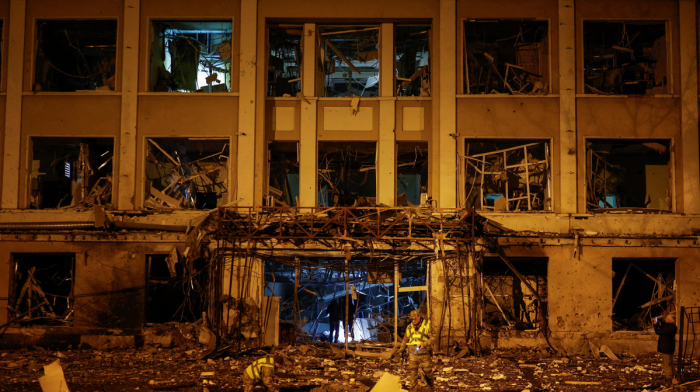
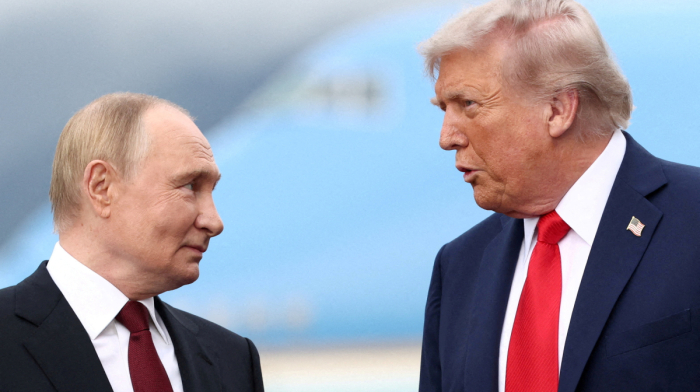
U.S. President Donald Trump has criticised Ukrainian President Volodymyr Zelenskyy for continuing to target Russia's energy infrastructure, while Russian strikes on Kyiv overnight killed at least one person and damaged a metro station.
The day after waiving sanctions and tariffs related to Russian exports, U.S. President Donald Trump said on Saturday he has yet to announce a final decision on the matter as Secretary of State Marco Rubio said officials want more time to evaluate the situation.
A Saudi AH-6i helicopter crashed in the Najran region of Saudi Arabia due to a technical malfunction, killing its two crew members, the Saudi-led coalition's spokesman Brigadier General Turki al-Maliki said in a statement on Sunday.
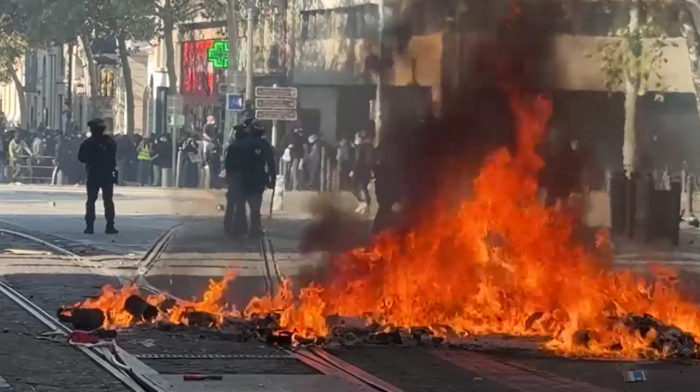
French President Emmanuel Macron has condemned the violence, looting and vandalism that erupted during cost-of-living protests across France. Prime Minister Sébastien Lecornu held crisis talks on Monday, calling for partial curfews and raising the possibility of a state of emergency.
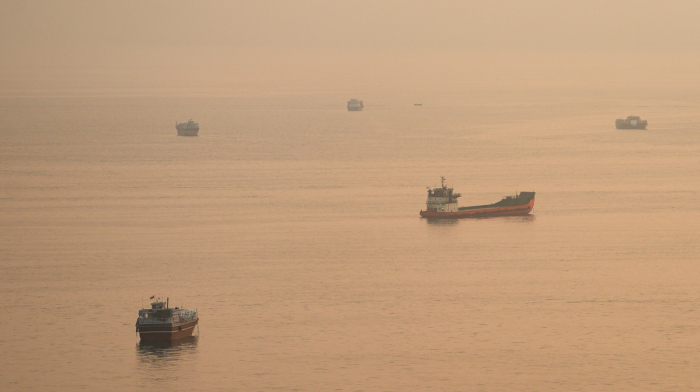
An oil tanker caught fire after striking a naval mine in the southern part of the Strait of Hormuz, Iran’s Islamic Revolutionary Guard Corps (IRGC) Navy said late Sunday.
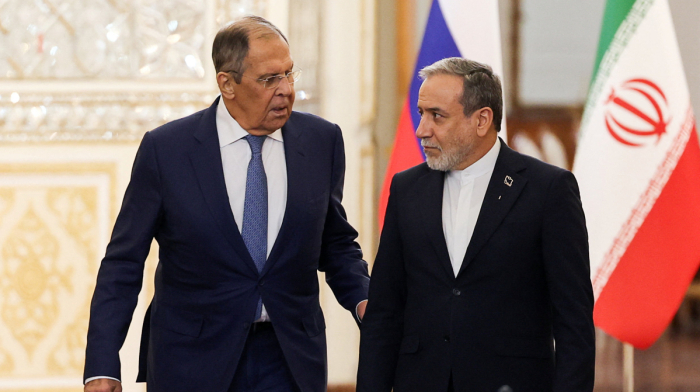
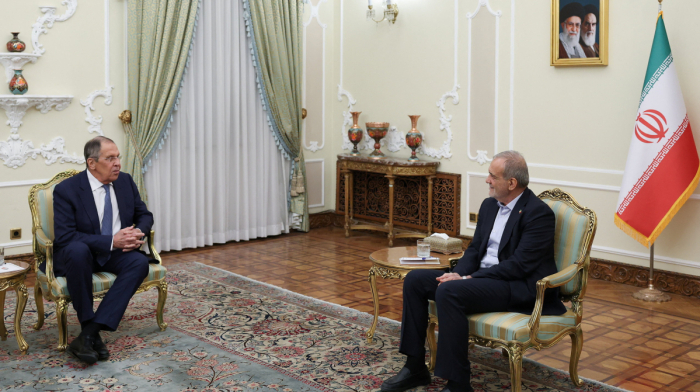
Iranian Foreign Minister Abbas Araghchi said regional issues should be resolved through diplomacy and blamed the United States for insecurity and tensions in the Strait of Hormuz, speaking at a joint news conference with Russian Foreign Minister Sergey Lavrov on Monday.
IranandRussia renewed calls for diplomatic solutions to end the ongoing regional conflict, while also pledging to deepen bilateral politicalandeconomiccooperation followingRussianForeignMinisterSergeyLavrov’svisittoTehranonMonday.
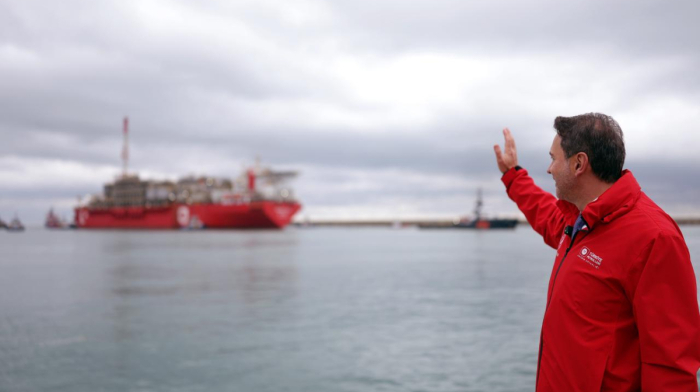
Türkiye is set to receive Russian diesel under a U.S.-backed agreement, Energy Minister Alparslan Bayraktar said on Sunday, as Ankara pushes ahead with plans to boost domestic gas production and reduce its reliance on imported energy.
An oil tanker caught fire after striking a naval mine in the southern part of the Strait of Hormuz, Iran’s Islamic Revolutionary Guard Corps (IRGC) Navy said late Sunday.
Azerbaijan exported $23.45 million worth of goods to Armenia between January and September 2026, according to data released by the State Customs Committee on 19 October.
Download the AnewZ app
You can download the AnewZ application from Play Store and the App Store.










What is your opinion on this topic?
Leave the first comment