Pakistan is deepening engagement with Syria’s new leadership as Israeli strikes add fresh pressure on the country’s fragile political transition, with Syrian Foreign Minister Asaad al-Shaibani concluding a landmark visit to Islamabad.
The visit marks a milestone after the fall of Bashar al-Assad in December 2024 and Syria’s transition under President Ahmed al-Sharaa as the first visit by a Syrian foreign minister to Pakistan since 2007, when Walid al Mouallem visited Islamabad.
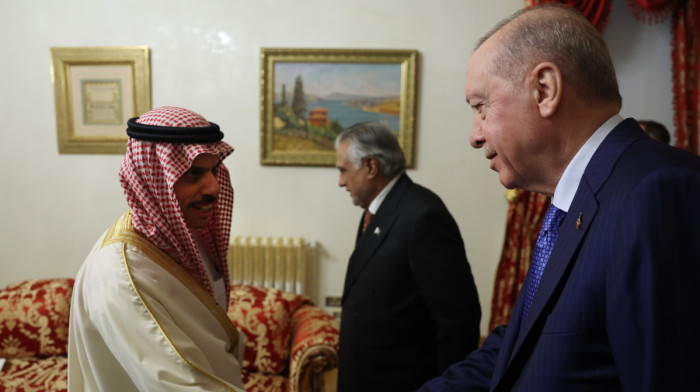
Al-Shaibani met with Deputy Prime Minister and Foreign Minister Ishaq Dar to discuss bilateral relations and regional developments.
He also met with Pakistan's Prime Minister Shehbaz Sharif, who reaffirmed his country's support for Syria’s sovereignty, unity and territorial integrity.
Sharif called for stronger cooperation in defence, trade, investment, education and human resource development. He also backed Syria’s position on the Golan Heights and invited Al-Sharaa to visit Pakistan.
Al-Shaibani briefed the prime minister on Syria’s political transition and reconstruction efforts.
An evolving relationship
Pakistan’s approach to Syria has also evolved with the political change.
During the Syrian civil war, Islamabad maintained its embassy in Damascus, opposed foreign interference and stressed Syria’s sovereignty and territorial integrity.
Pakistan is now engaging directly with the Syria's authorities; it sent a delegation to meet with al-Shaibani in Damascus in June 2025.
Israeli strikes raise pressure on Syria
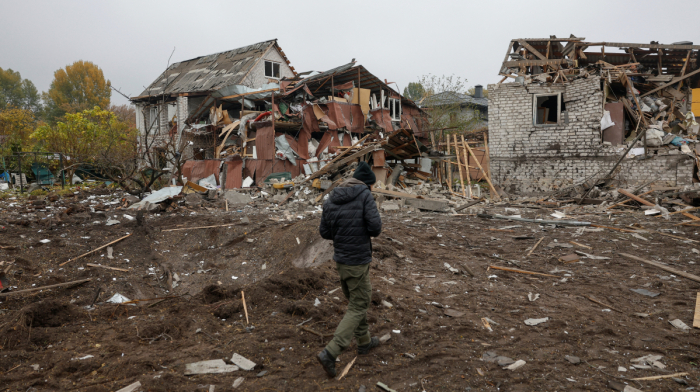
The visit follows Israeli strikes on the Abu al-Duhur airbase in Idlib on 18 August.
Syrian state media reported eight strikes, damaging the runway and storage facilities. No casualties were reported by Syrian military sources and a local resident cited by state media.
Pakistan condemned the attack as “unprovoked” and a violation of international law, warning that it could further undermine regional stability.
Why Pakistan-Syria Relations Matter
Al-Shaibani also welcomed the Mecca Joint Defence Agreement signed this month by Pakistan, Türkiye and Saudi Arabia and praised Islamabad’s efforts on regional de-escalation.
For Pakistan, the timing is significant.
Syria is rebuilding after Assad’s fall while navigating competing security interests around its territory. Türkiye is deepening its relationship with Damascus. Saudi Arabia is re-engaging economically and diplomatically. Israel is asserting its security concerns through military action.
Pakistan’s first Syrian foreign ministerial visit in nearly two decades comes as that regional balance is being redrawn and Islamabad is positioning itself to engage with Syria’s new leadership as that process unfolds.
The question is how that relationship develops as Damascus navigates its transition and the wider regional tensions around it remain unresolved.
Read more















What is your opinion on this topic?
Leave the first comment